Campus Welcome & Life Observation
Step into the partner school to discover its spaces, learning styles, club culture, and students' daily life.
The 2025–26 round has ended · The next round is being planned by academic year — schools are welcome to enquire
From school, to the world.
Turning campuses into the most authentic international classrooms. Students don't just perform abroad—they step into each other's schools, learning to listen, collaborate, and understand different cultures through joint rehearsals, shared stages, classroom interaction, and everyday life together.
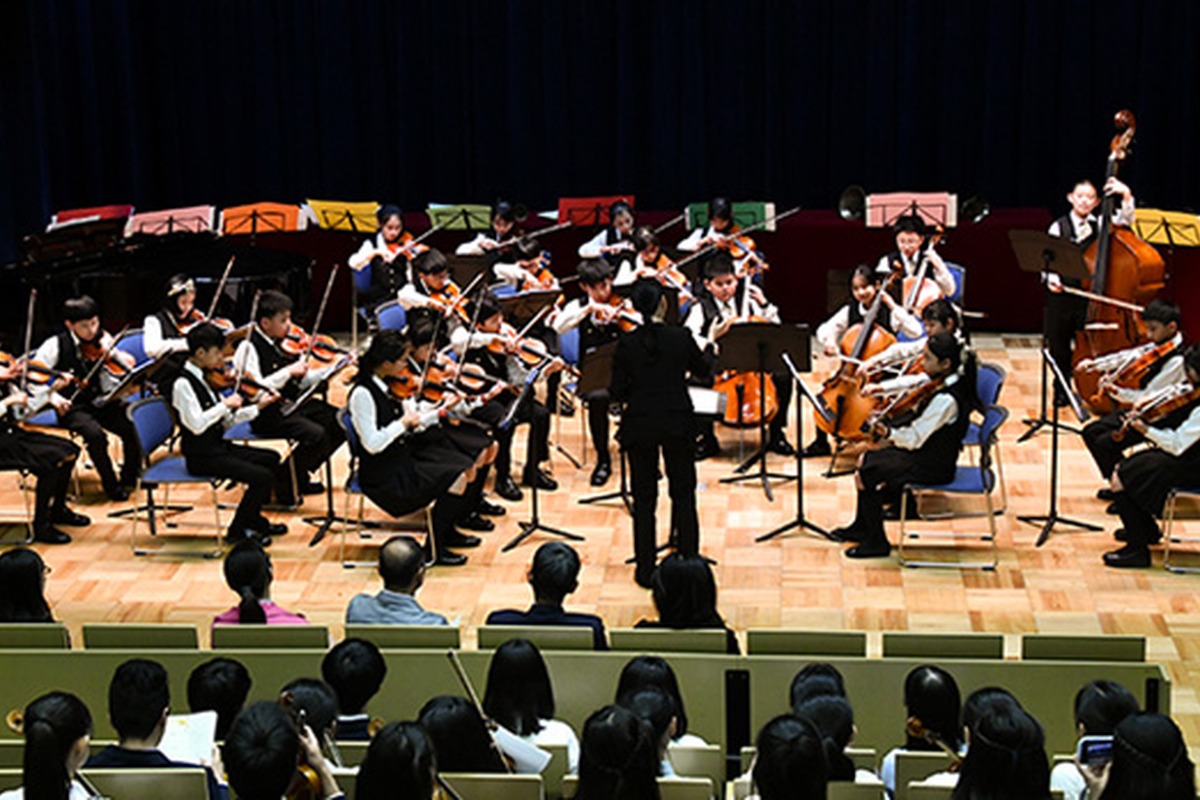
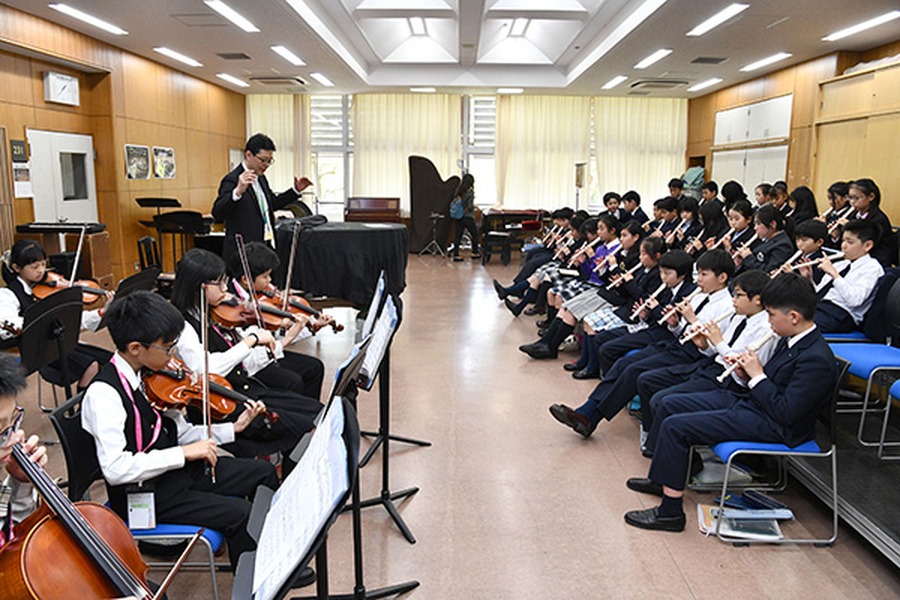
Traditional exchanges often stop at visits and photos; we care more about whether students truly rehearse together, solve musical problems together, and stand on stage together. Music turns language differences from a barrier into something that no longer matters, and transforms cultural understanding from an abstract idea into a felt experience of collaboration.
"International exchange truly begins when children start to hear each other's voices."
Listening to rhythm, to partners, and to how different schools and cultures understand music.
Content can be adjusted according to school type, ensemble size, student age, and collaboration goals; every module centers on "students' active participation."
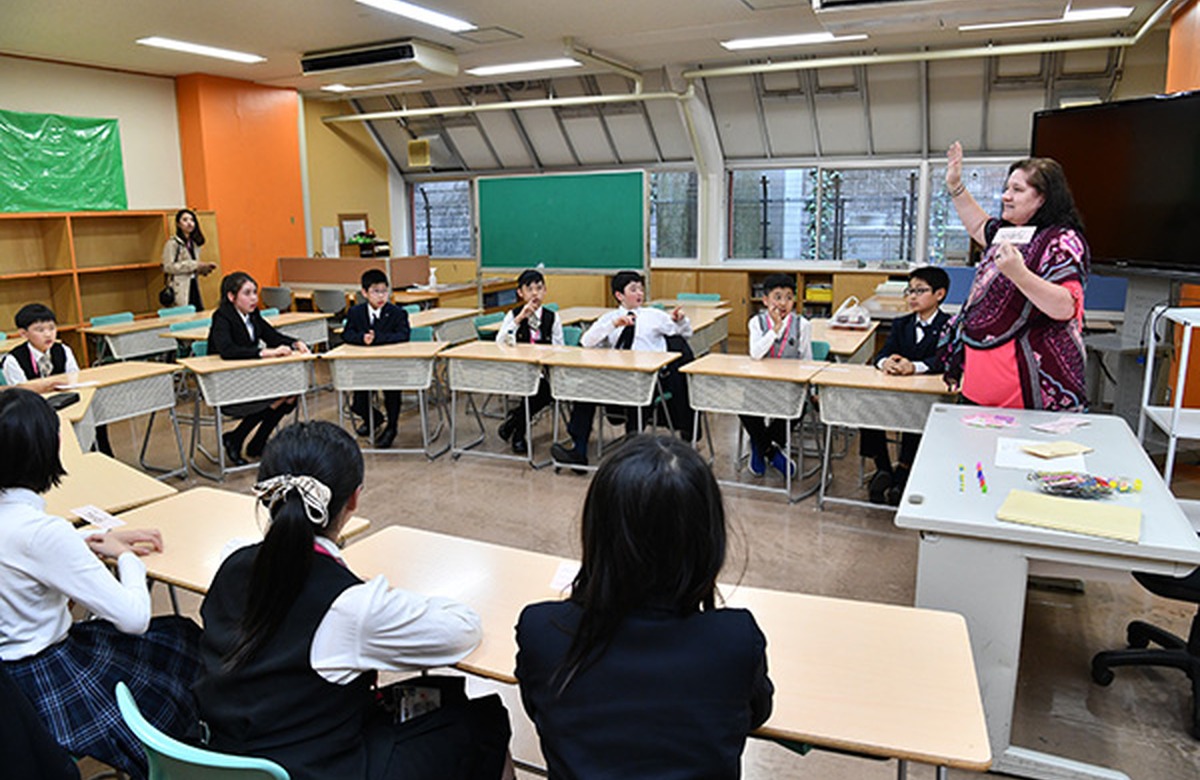
Step into the partner school to discover its spaces, learning styles, club culture, and students' daily life.
Through shared repertoire, demonstration performances, and sectional cooperation, students build rapport in voice and rhythm.
The two schools perform in turn and complete a joint repertoire, turning the stage into a way to introduce their cultures.
Through group tasks, music quizzes, campus tours, and simple language exchange, students are encouraged to communicate proactively.
Sharing experiences in ensemble management, rehearsal methods, curriculum design, and student support, extending into inter-school partnerships.
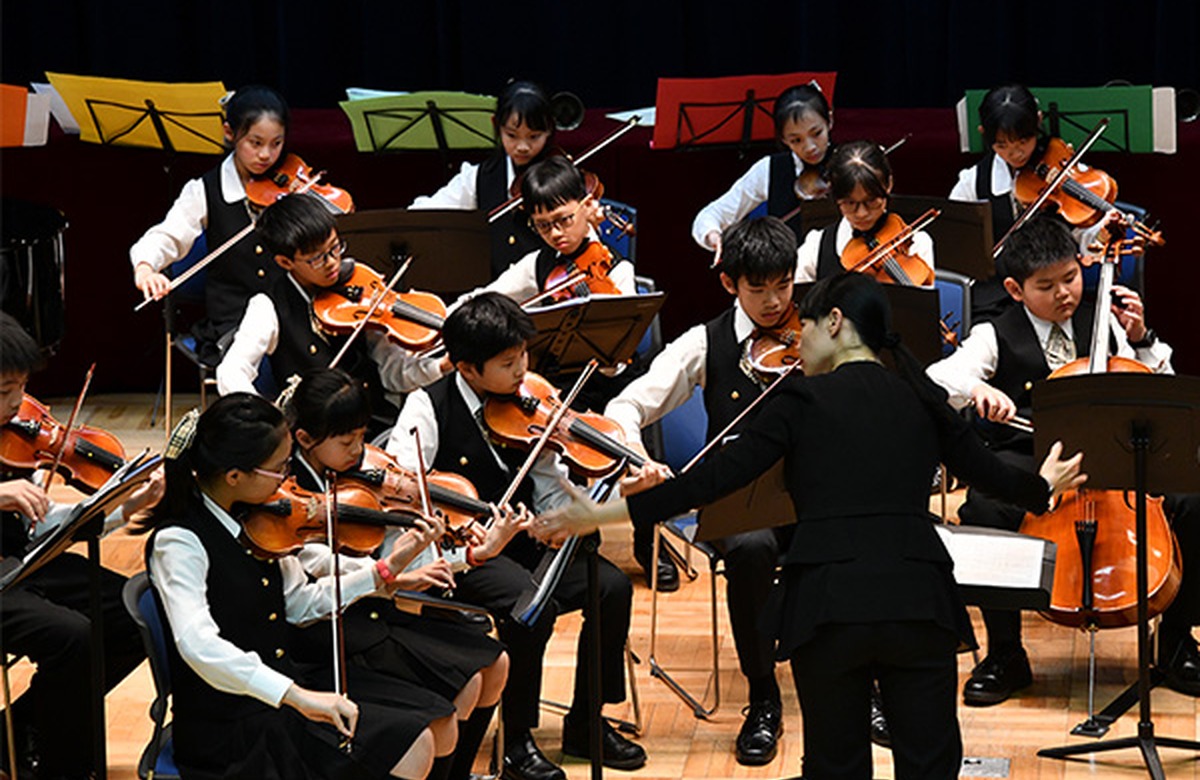
The foundation matches teams based on ensemble size, student age, curriculum features, and exchange goals, helping both sides build shared objectives and clear roles.
The full program covers not only the event day itself, but also joint preparation beforehand and outcome feedback and follow-up collaboration afterward.
Confirm students' ages, ensemble size, number of participants, repertoire, dates, and the educational goals to be achieved.
Establish contact points for both sides, exchange school and group information, and arrange an online introduction or pre-visit exchange as needed.
Complete the welcome, classroom interaction, rehearsals, shared performance, and cultural experience at the host school.
Compile photos, videos, student feedback, and teacher observations, and plan return visits, online co-learning, or the next performance.
The real outcome is that students return to their own campuses with new ways of understanding teamwork, culture, and themselves.
Expressing, collaborating, and listening in real situations, building the courage to face unfamiliar environments.
Seeing different campuses' rehearsal rhythms, team management, and ways of supporting students.
Integrating music, language, culture, and international education into courses students can take part in.
From preparation to exchange, parents witness their child's sense of responsibility, teamwork, and independence.
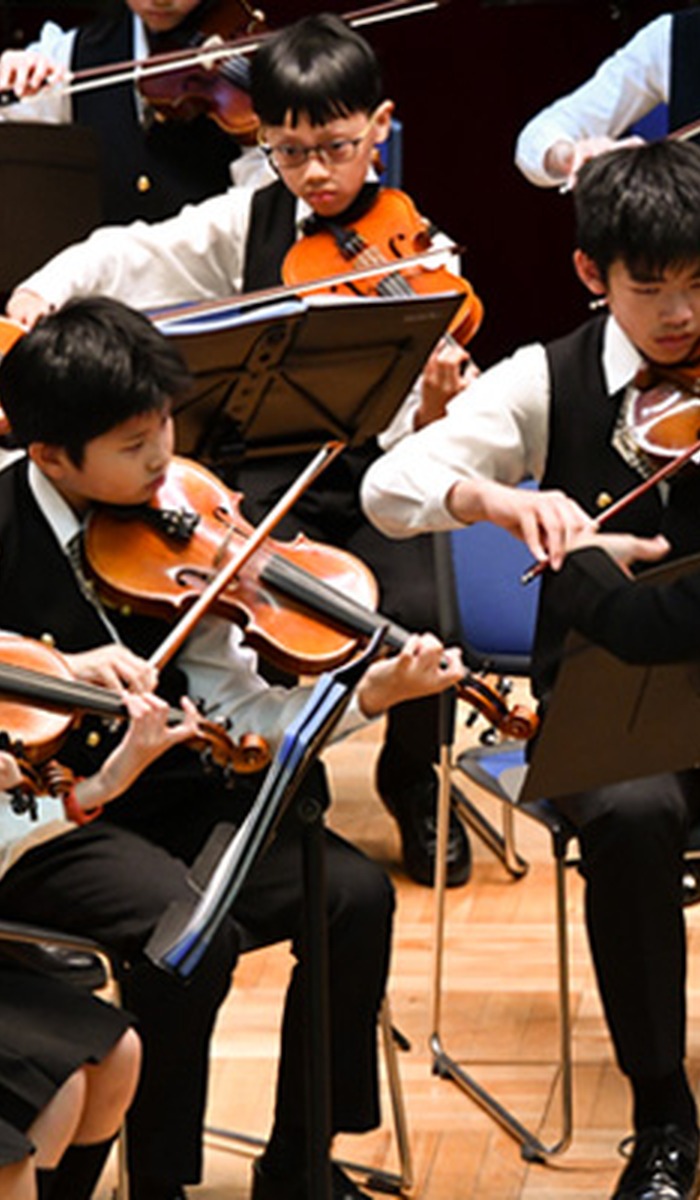
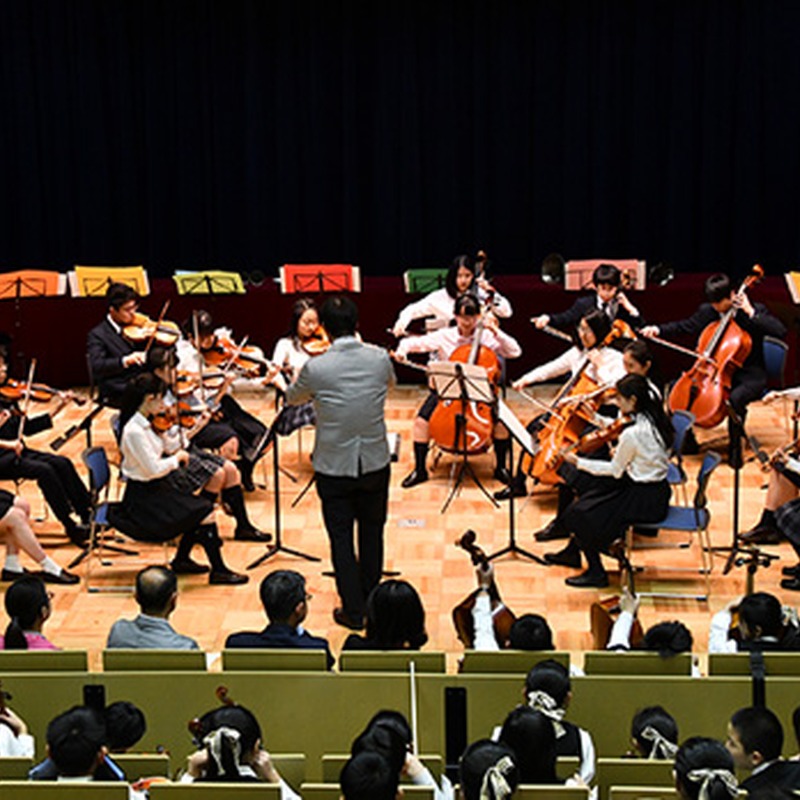
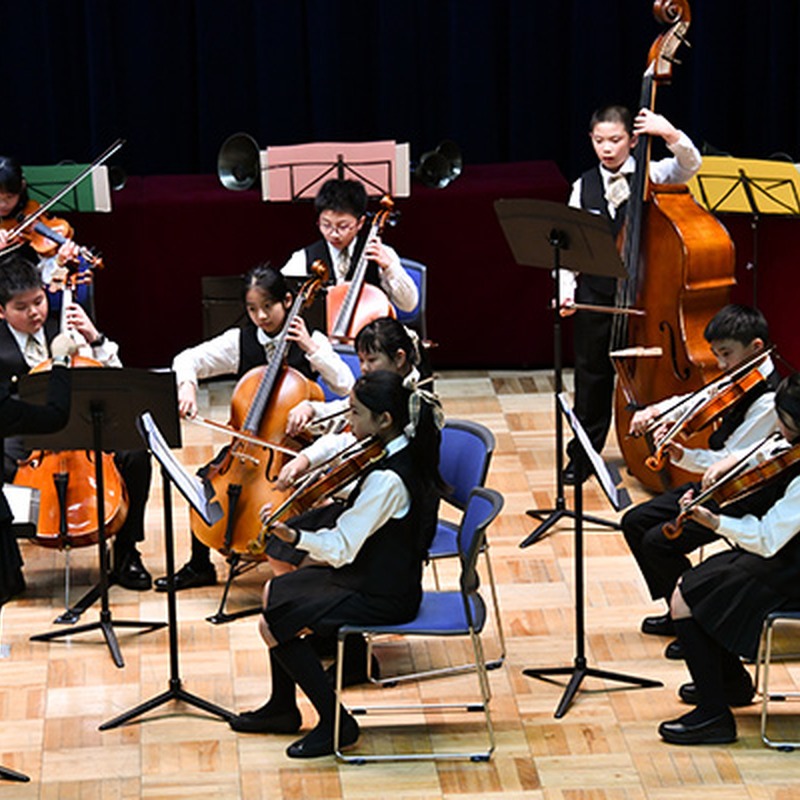
Since May 2013, the Foundation has driven the "Philharmonic Sharing Project," long integrating instruments, teaching resources, activities, and school needs. According to existing project records, we have partnered with 126 elementary schools and gathered around 5,370 violins and cellos. These on-the-ground experiences form an important foundation for planning cross-border school exchanges.
※ The figures above are drawn from historical data on existing project pages and do not reflect the latest annual statistics for 2026.
※ The contextual photos on this page are taken from Tamagawa Academy's publicly released records of the 2019 "Tamagawa Academy × Taipei Donghu Elementary School International Music Exchange," used to illustrate genuine Taiwan-Japan school music exchange settings; they are not actual photos from this Lexuan Foundation project.
Open to schools, youth orchestras, and educational institutions that wish to advance international education, inter-school learning, and cultural exchange among students. Content and scheduling will be planned individually according to both schools' conditions.
Music connects schools with the world.
Schools, orchestras, and educational institutions are welcome to inquire about Taiwan-Japan exchange sessions, collaboration methods, and customized program planning. On the Taiwan side, the Lexuan Foundation co-organises and coordinates the programme as the administrative and communication window for Taiwanese ensembles — exchange applications, documents, pre-departure preparation and liaison with the education authority in Japan are handled in one place.