Score reading and sound imagination
Understanding the work's structure, instrumental function, harmonic direction, and part relationships before rehearsal.
- Form and sectional layers
- Orchestration, balance, and timbre
- Rehearsal priorities
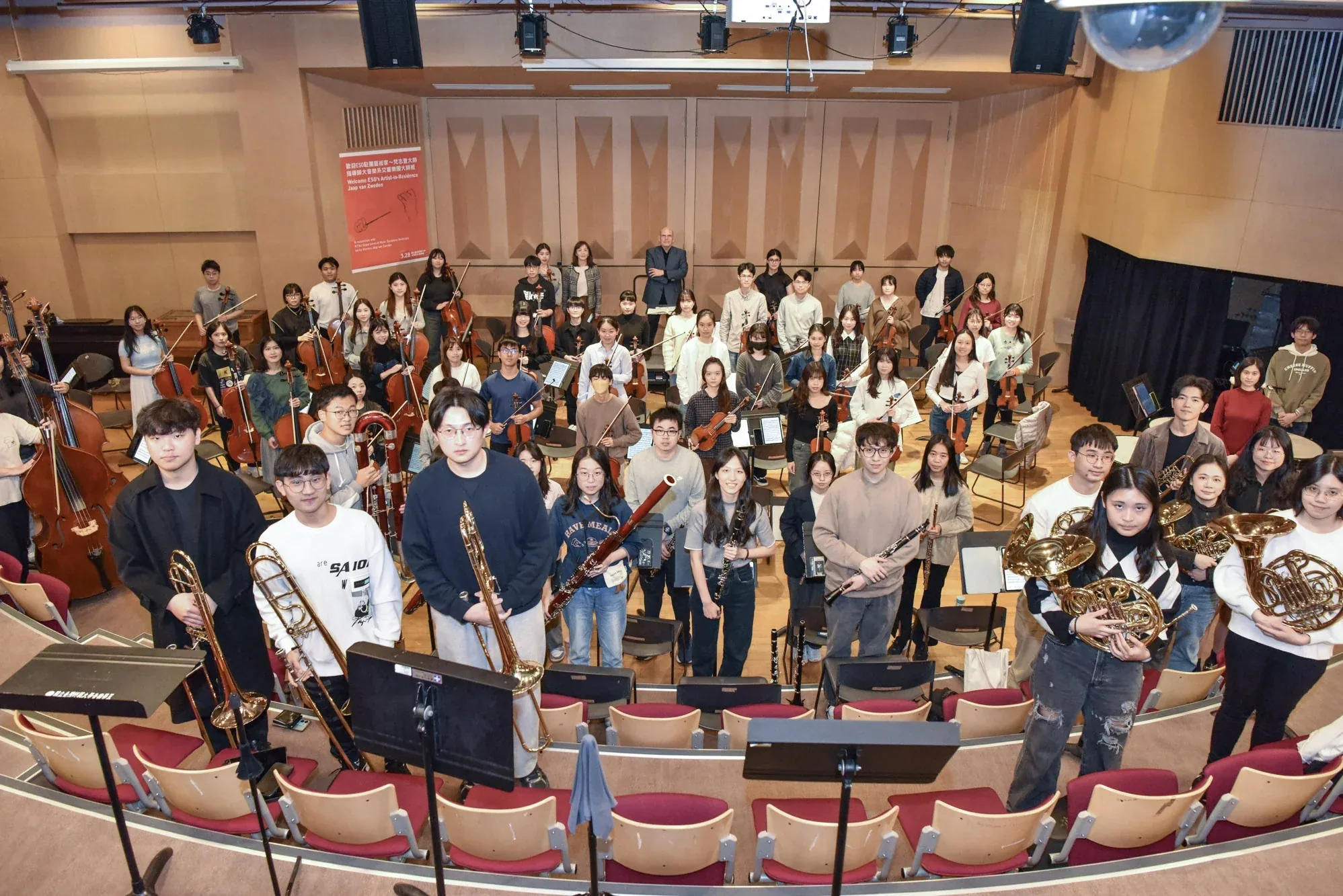
From the teaching methods of teacher training, moving further into the score, the language of conducting, and interpretation of works. Centered on Taiwanese young conductors, Taiwanese student orchestras, and professional demonstration rehearsals, the masterclass lets participants understand—through the real sound of an orchestra—how to read a score, build clear gestures, diagnose rehearsal issues, and turn musical intention into a shared language the orchestra can respond to.
Observe · Diagnose · Rehearse · Interpret
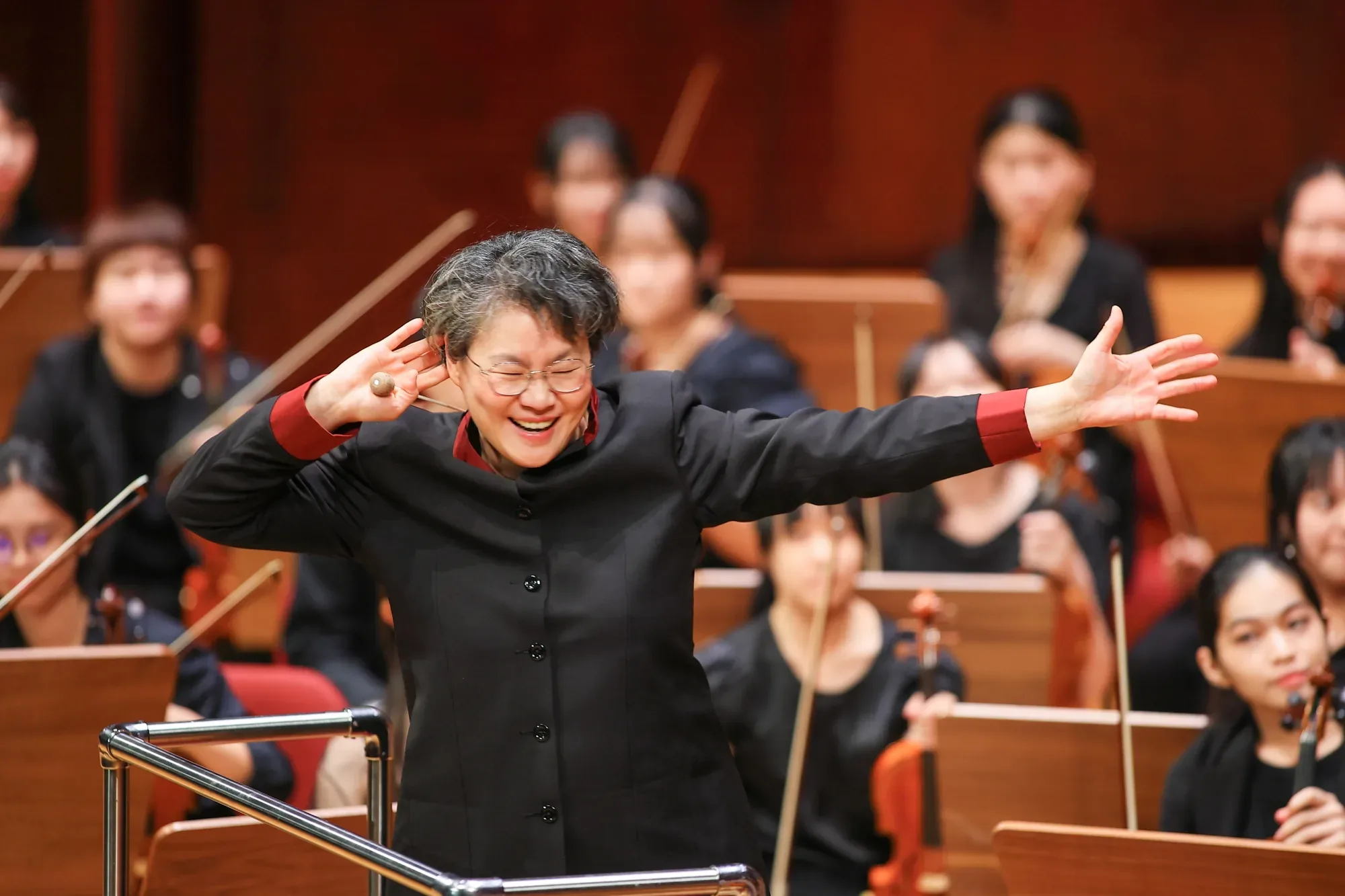
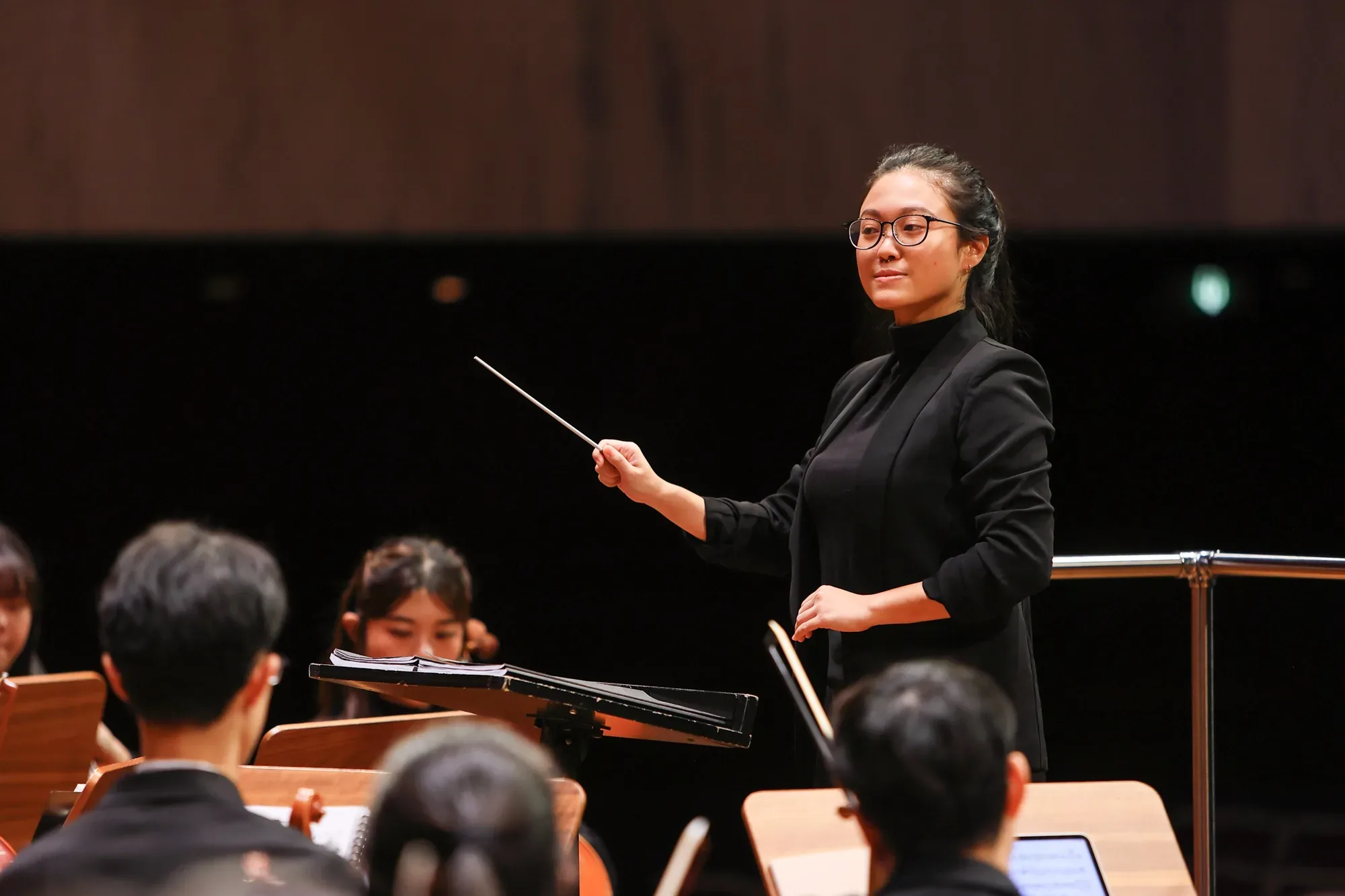
Before stepping onto the podium, a conductor must first build a clear sound image within the score; once on the podium, they must guide the orchestra to realize the work together through gesture, eye contact, language, and rehearsal strategy. The value of a masterclass lies in letting participants witness how a “musical idea” is transformed—through observation, diagnosis, and communication—into sound that can actually be played.
The masterclass is not a single technique demonstration, but a complete learning chain from score reading, gesture, and rehearsal to interpretation. Each level must be validated through real responses from Taiwanese student orchestras.
Understanding the work's structure, instrumental function, harmonic direction, and part relationships before rehearsal.
Conveying beat, breath, preparation, tempo, and musicality to the orchestra through clear gestures.
Quickly identifying the true source of issues in intonation, rhythm, timbre, balance, and ensemble.
Establishing a unified musical direction, leading the orchestra to a shared understanding between detail and the whole.
From score preparation to orchestra feedback, every stage reveals the connection between a conductor's decisions and the actual sound produced.
Confirming in advance the repertoire, edition, instrumentation, orchestra level, and passages participants wish to work on.
Participants present their existing understanding first, as the master observes their gestures, rhythm, rehearsal language, and the orchestra's response.
Pausing on key issues to analyze step by step from the perspectives of score, technique, and musical intent.
Participants re-conduct the same passage, directly comparing the sound differences after adjusting gestures and rehearsal strategies.
Organizing personal takeaways, observation notes, practice methods, and concrete preparations before the next performance.
Observers are more than listeners. Pick a focus, and the system will give you prompts for questions and notes you can use right there in the masterclass.
Concentrating on one aspect at a time reveals the cause-and-effect between conductor and orchestra far better than trying to note everything at once.
The same passage, given different preparations, tempos, gestures, and rehearsal language, draws remarkably different responses from the orchestra.
This section continues Taiwan's music education visual standards, focusing on the learning and performance scenes of Taiwanese students, youth conductors, and orchestras.
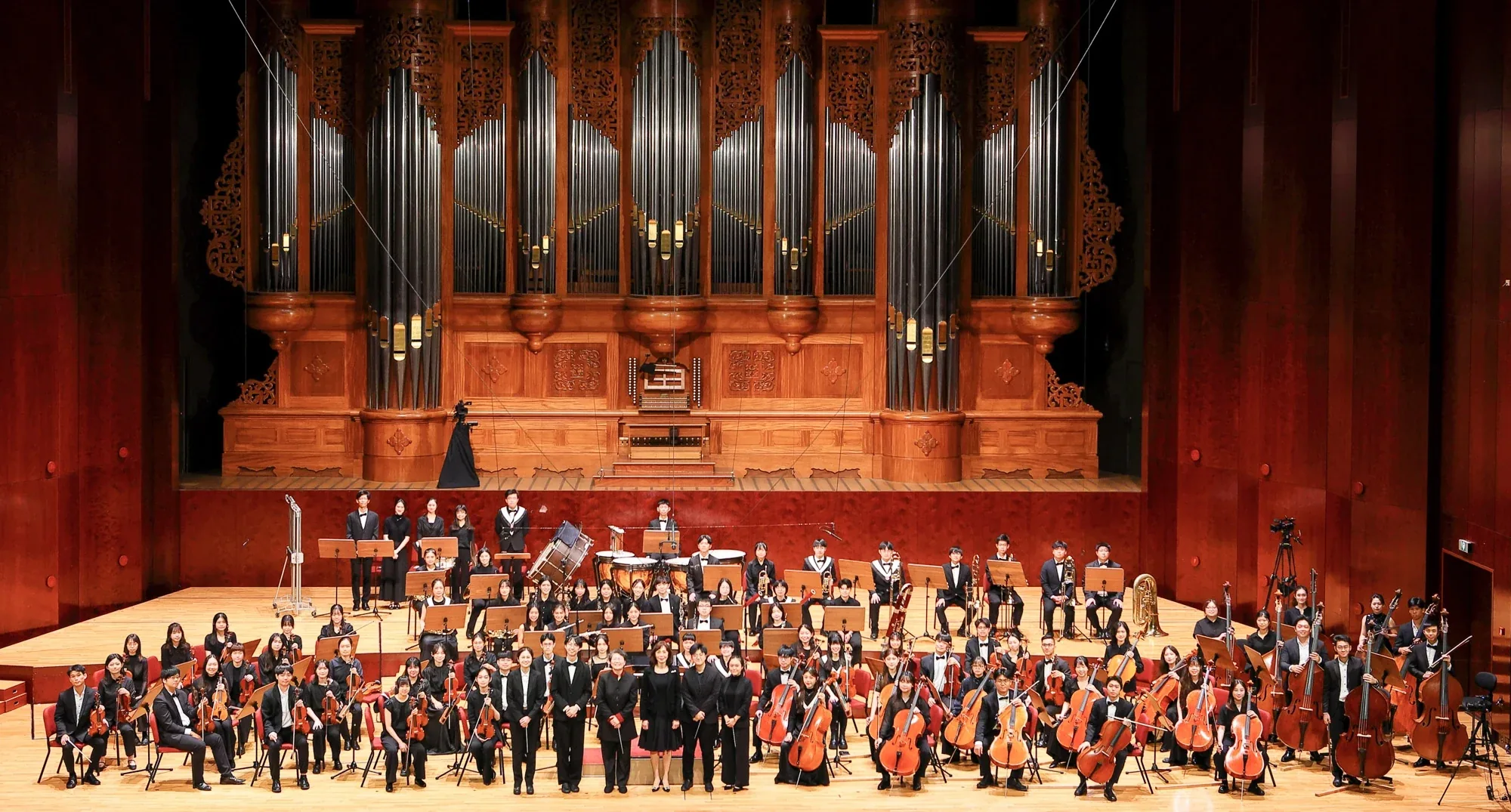
A conductor must simultaneously manage timing, balance, tone, and overall direction within a large ensemble.
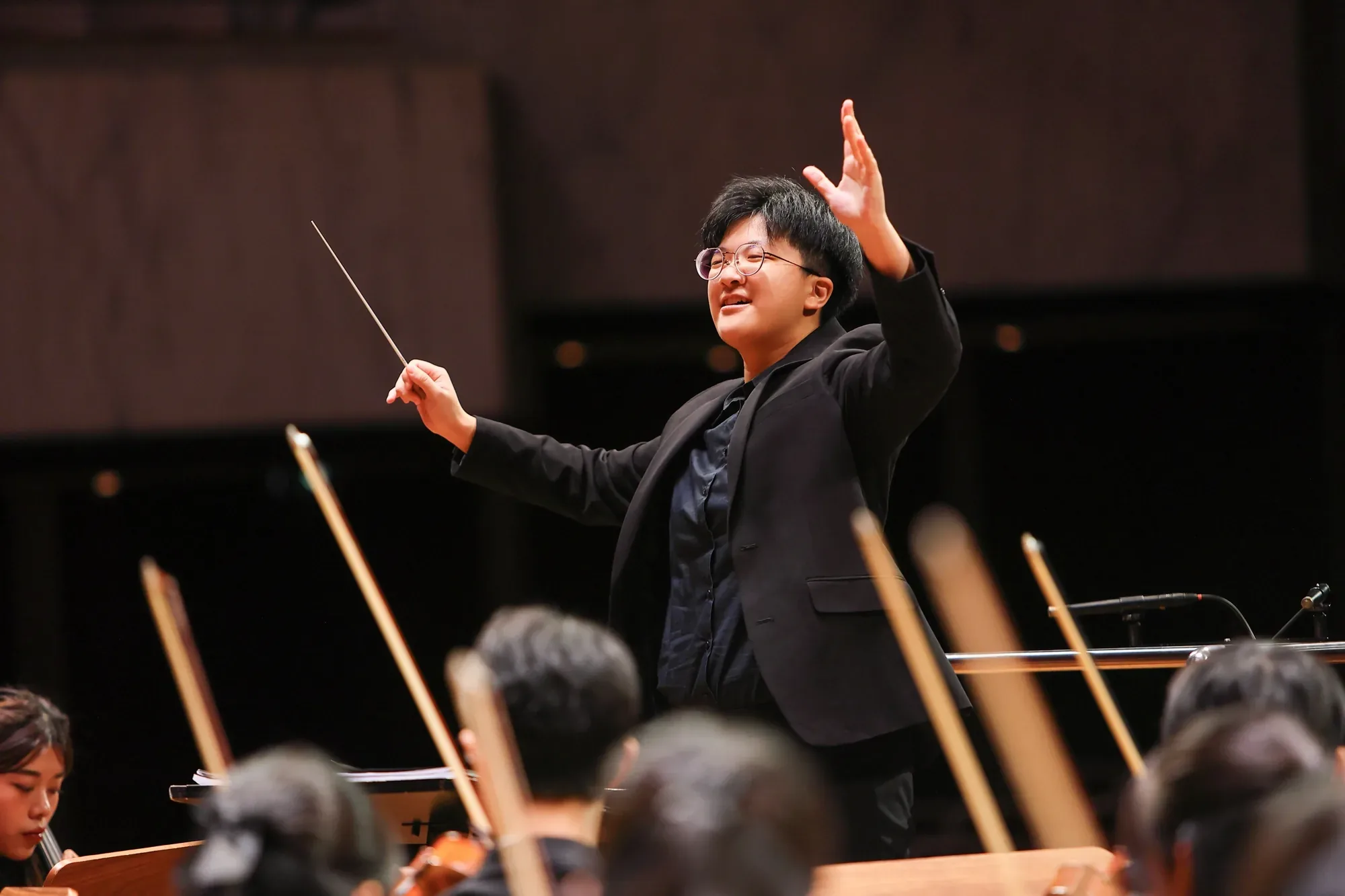
Translating score comprehension into gestures and rehearsal language the orchestra can recognize.
Through demonstration, breakdown, and repeated practice, witness how adjustments instantly change the orchestra's sound.
A high-quality masterclass is not just about receiving advice, but building the ability to continuously self-observe, practice, and lead an orchestra.
A clearer grasp of a work's structure, orchestration, voice functions, and rehearsal priorities.
Conveying tempo, breath, and expression through more precise, economical, and musical gestures.
Quickly identifying problems, choosing methods, managing time, and building the orchestra's trust.
Turning personal musical imagination into a direction the whole ensemble can understand and achieve together.
Schools, young conductors, music departments, student orchestras, and educational institutions across Taiwan are welcome to inquire about conducting masterclasses, demonstration rehearsals, score analysis, teacher observation sessions, and young conductor development programs.