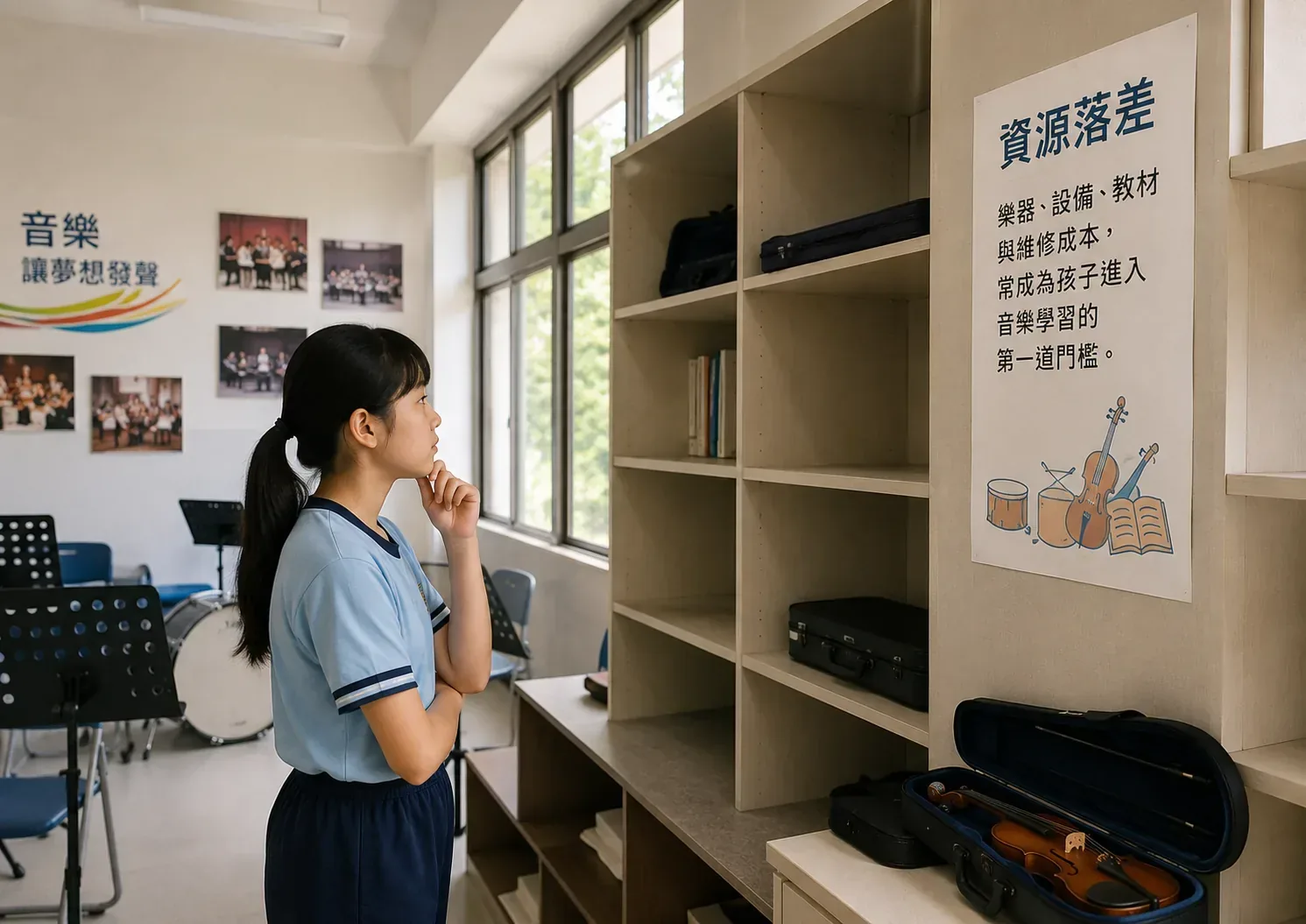
Resource Gap
Instruments, equipment, materials, and repair costs are often the first threshold children face in learning music.
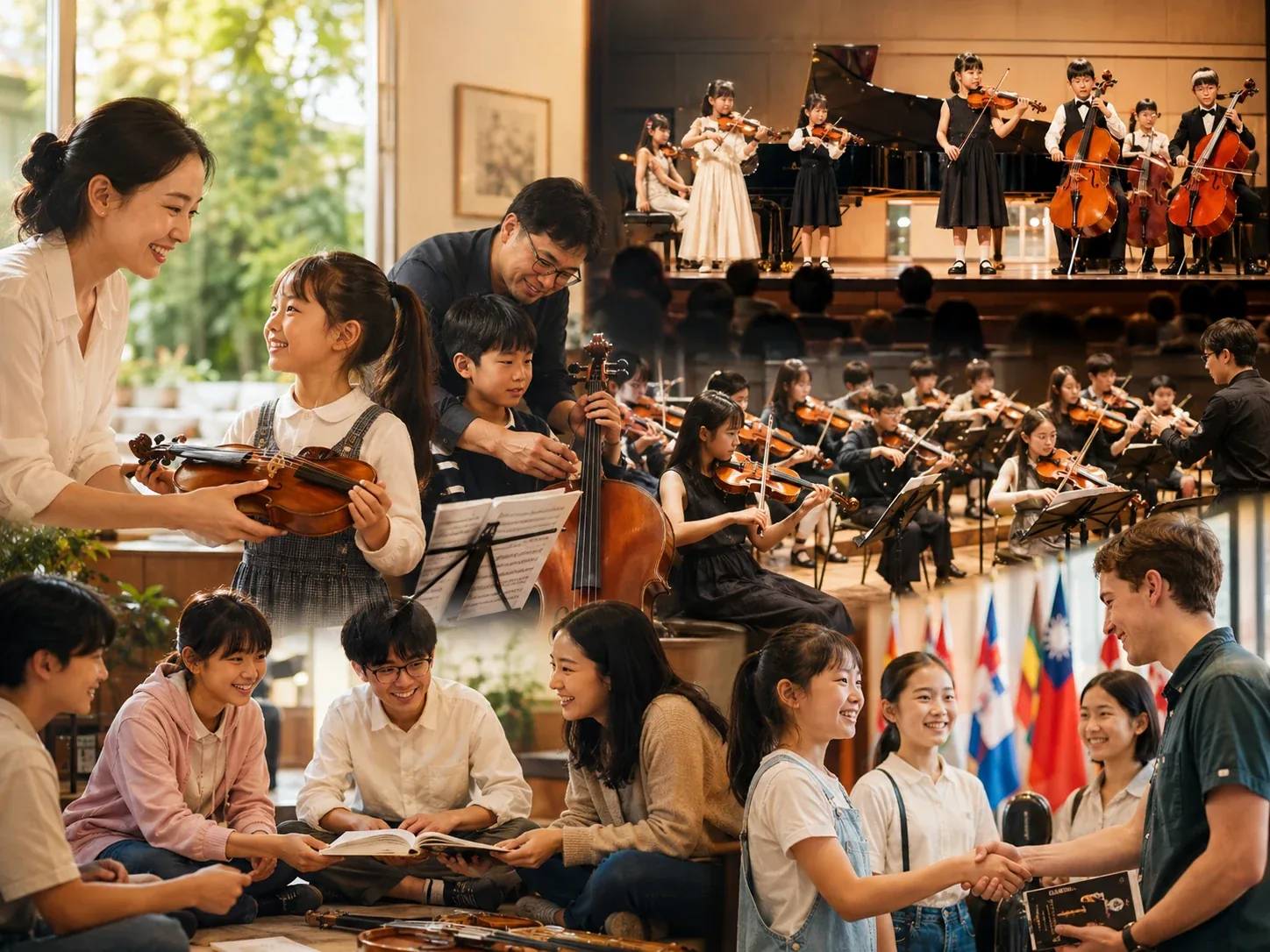
Centered on the accessibility of educational opportunity, the Lexuan Cultural Education Foundation connects instruments, teachers, curricula, orchestras, stages, and international exchange into a sustainable path of growth.
Many children are not lacking in talent or passion, but at the very start of learning, they lack a suitable instrument, a steady mentor, a group to play with, or a chance to stand on stage.
This is why the Lexuan Foundation exists: to bridge the gaps in educational opportunity, turning a single encounter into learning that can continue.
Instruments, equipment, materials, and repair costs are often the first threshold children face in learning music.
Without steady teachers, ensembles, and school support, even the best start can be interrupted by a lack of ongoing care.
Without exchange across schools, cities, and countries, children find it hard to glimpse the wider culture and future that lie beyond music.
The foundation's work is not a collection of isolated activities, but an interconnected educational effort centered on children, teachers, schools, and social resources.
Lowering barriers to learning, so more children can access, experience, and begin music education.
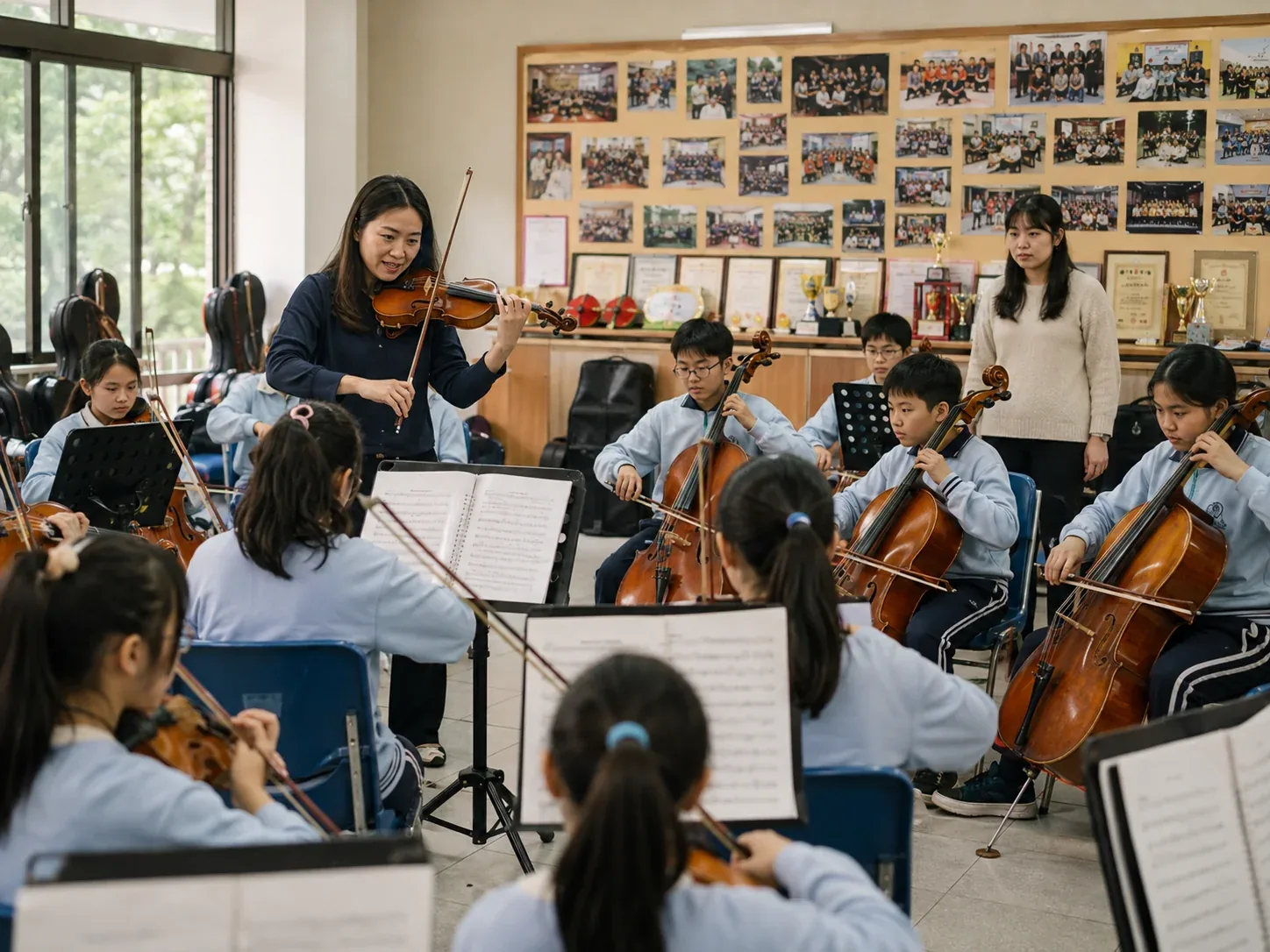
Moving from one-time experiences toward long-term courses, orchestra organization, and campus culture building.
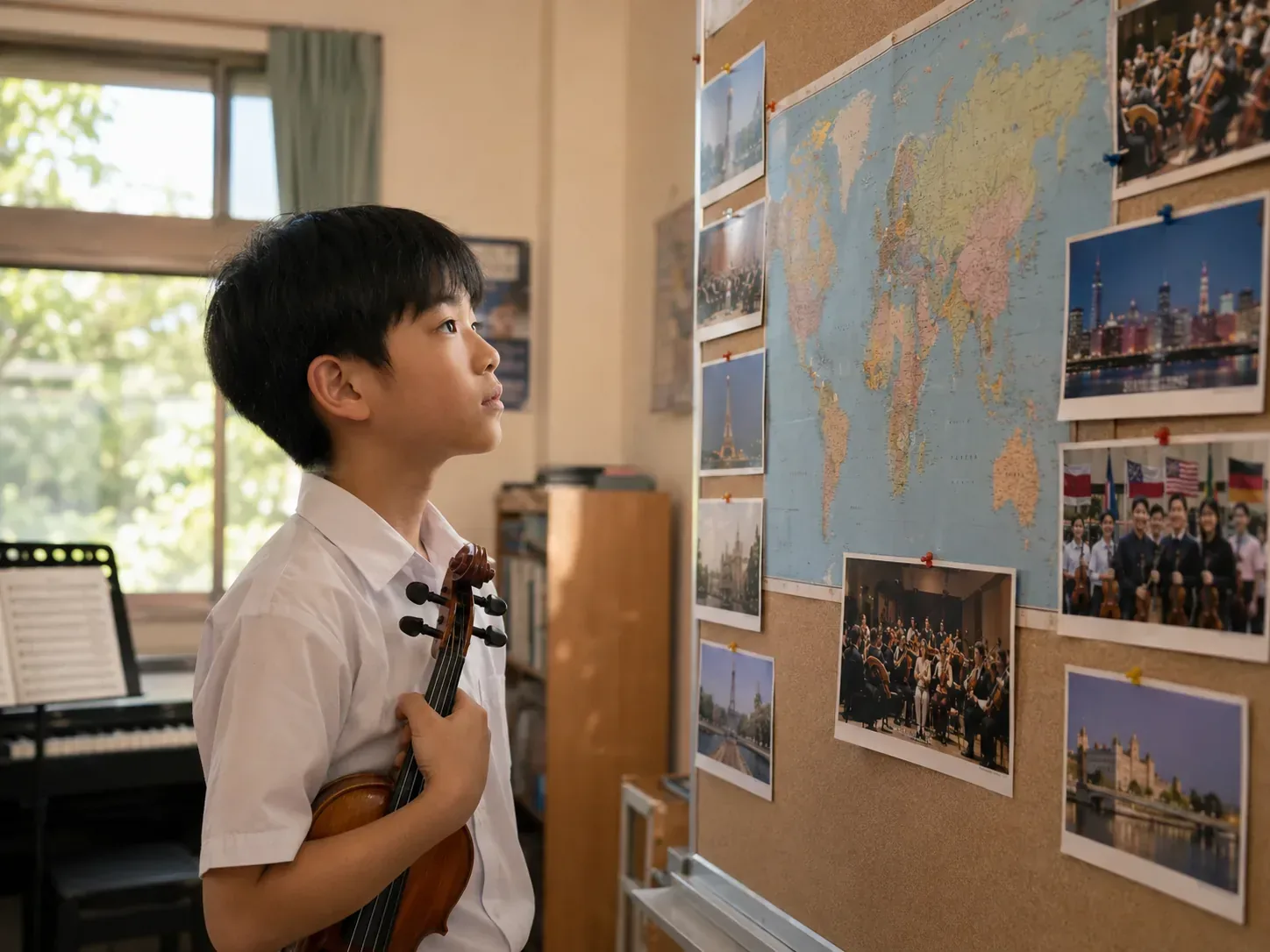
Through ensemble performance, school exchanges, and music festivals, children come to understand the world through real interaction.
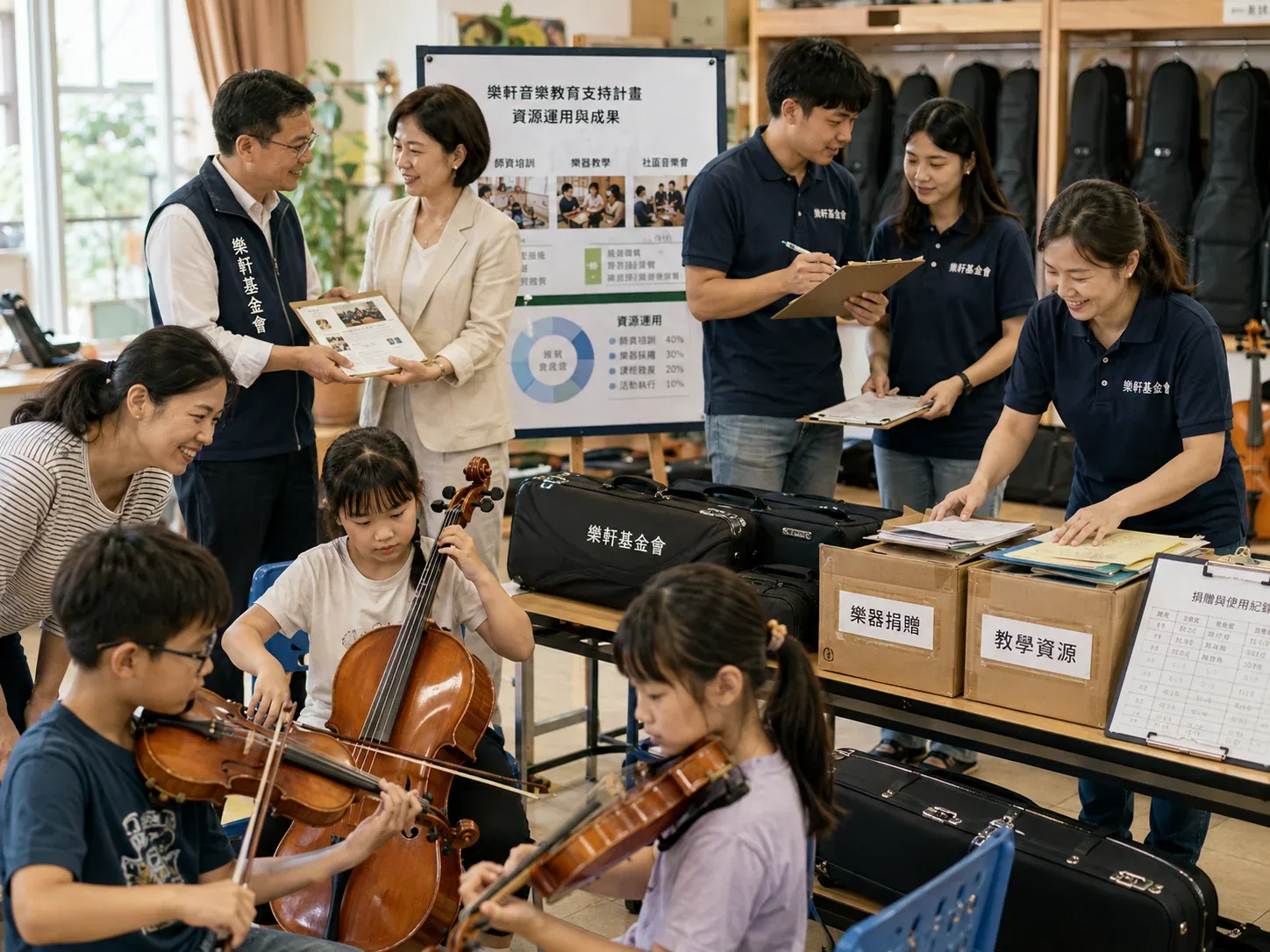
Inviting businesses, professionals, families, and volunteers to turn goodwill into sustainable educational capacity.
We plan our services in four continuous stages, so that invested resources don't stop when an activity ends, but keep transforming into children's abilities and vision.
Gaining instruments, teaching materials, and basic opportunities to encounter music.
Experiencing the charm of music through appreciation, engagement, and the stage.
Building steady learning through courses, rehearsals, and orchestras.
Using music to connect with others, cultures, and a broader world.
Every project should address educational quality, partnership, resource responsibility, and long-term impact — not just the scale of a single event.
Starting from learning needs, valuing sustained participation, skill-building, and confidence.
Not replacing those on the ground, but helping them build lasting educational capacity of their own.
Connecting teachers, musicians, administrators, and international partners to establish complete standards of practice.
Continuously disclosing project progress, outcomes, partnerships, and the use of charitable resources.
Whether through school partnerships, corporate philanthropy, professional involvement, or resource sharing, each can become an important force supporting children's long-term growth.