
Classical Homeland
Experience the standards of European classical music within concert halls and their historical context.
Step into the historic cities of classical music, where youth orchestras experience the artistic depth woven together by works, architecture, cities, and humanity at international music festivals, professional stages, and cultural venues.
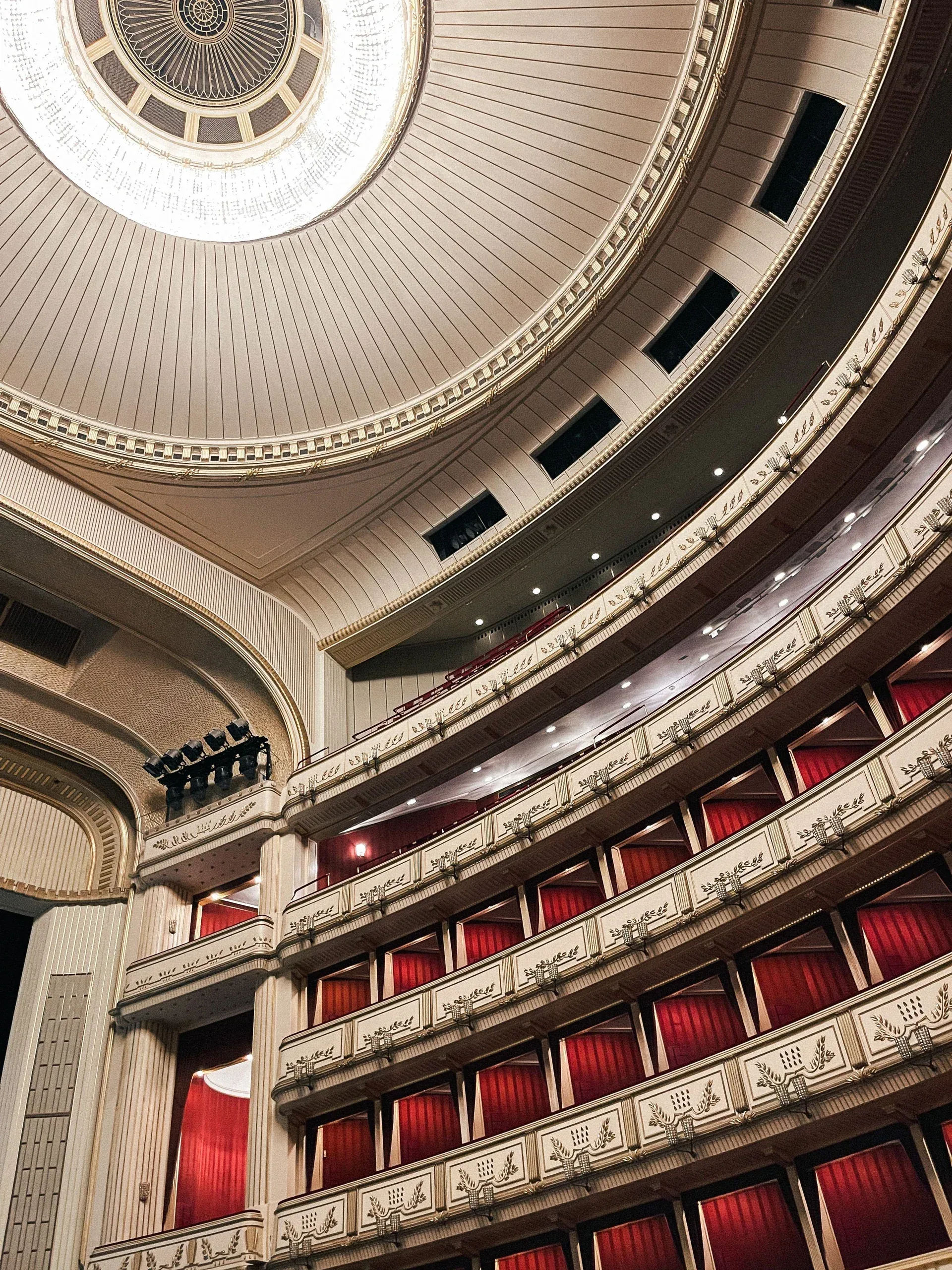
This European music exchange is not just an overseas performance — it brings the orchestra into four distinct settings: the classical heritage of Vienna, the festival spaces of Provence, the international stage of Bratislava, and the historic culture of Prague. As students encounter different forms of music and civilization in each city, the journey gains richer layers.
Experience the standards of European classical music within concert halls and their historical context.
Discover the performance context of southern French town squares, churches, and castle courtyards.
Build more mature ensemble performance through competitions, showcases, and observation.
Rather than understanding European exchange through a single city, we connect classical heritage, southern French music festival settings, international competition stages, and historic city culture through four chapters—Vienna, Provence, Bratislava, and Prague—forming a more complete European music journey.
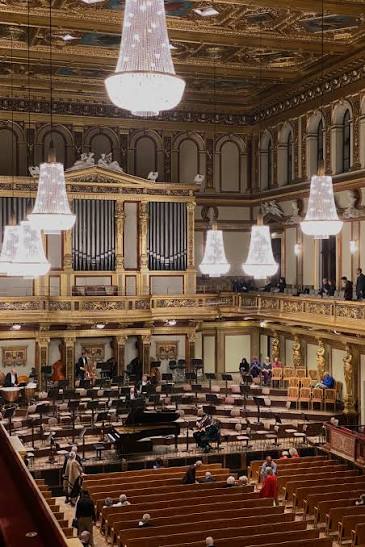
From classical music tradition and opera house culture to professional concert hall sound standards, students rediscover performance style and artistic discipline in the birthplace of European classical music.
Birthplace of classical music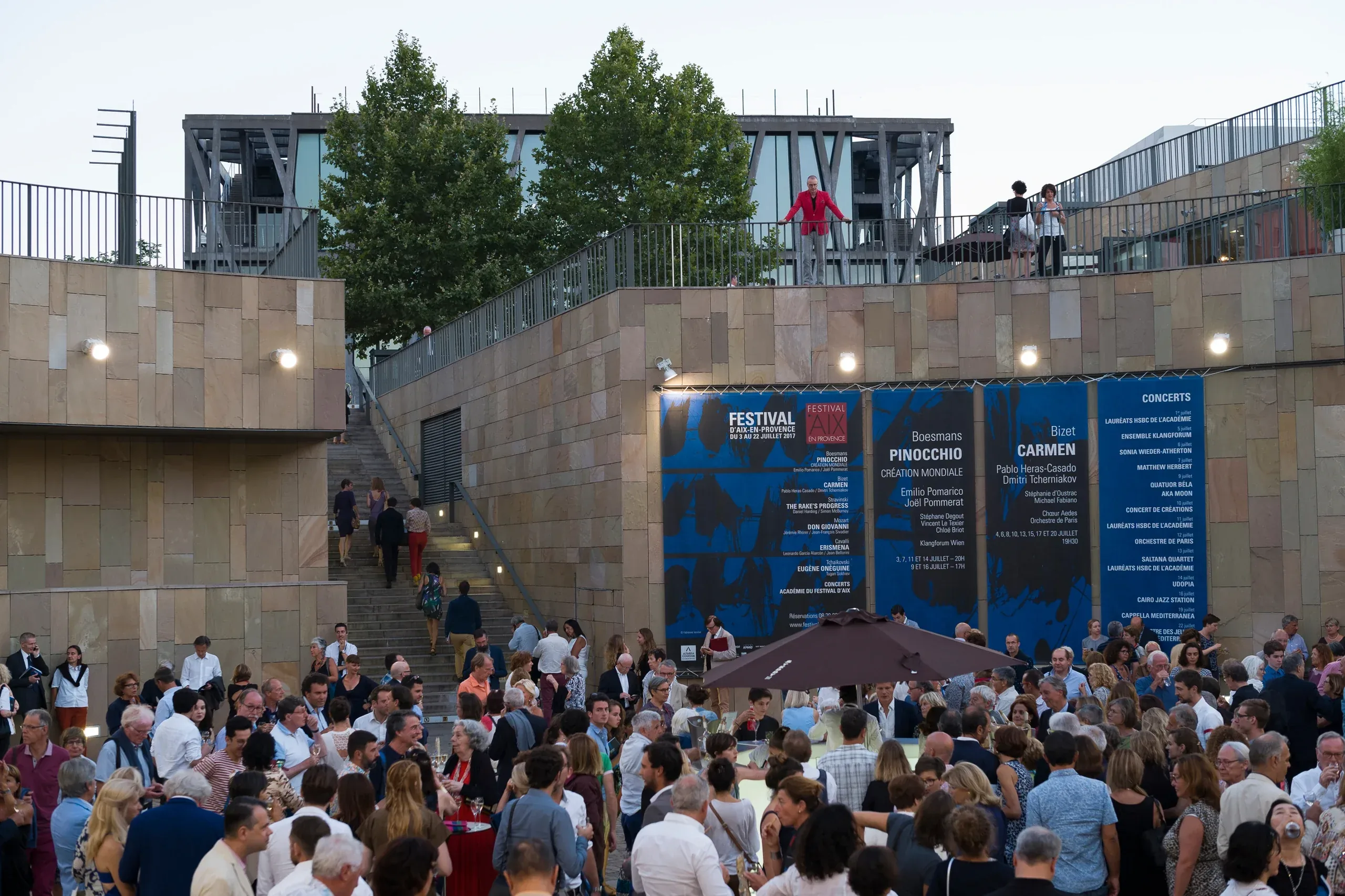
Centered on southern France's summer music festivals and diverse performance venues, connecting cities and sites such as Aix-en-Provence, Arles, L'Isle-sur-la-Sorgue, and Château de La Tour d'Aigues.
Southern French music festivals and city venues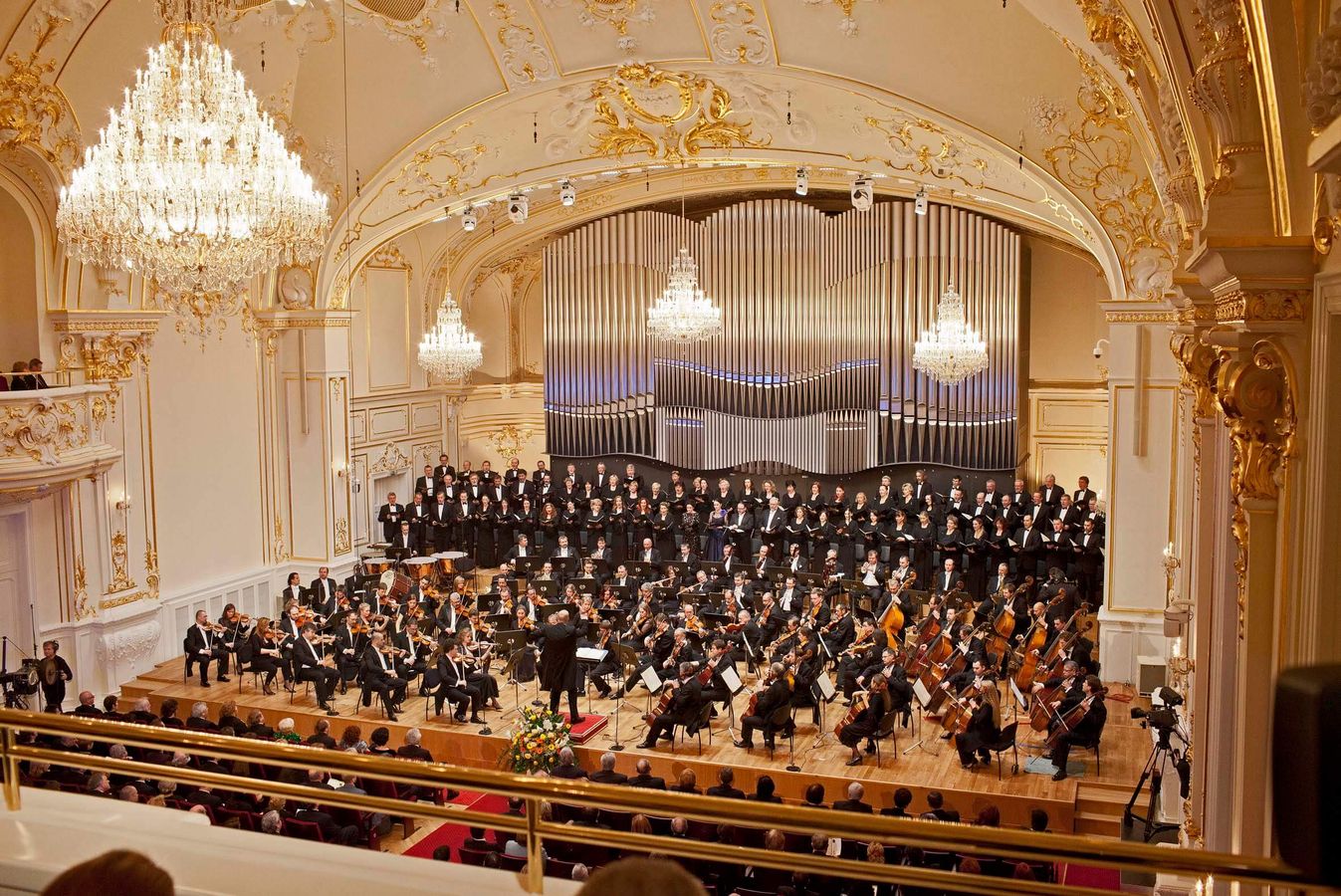
Centered on international music festivals, stage performances, and competition exchange, students learn the full professional rhythm of rehearsal, staging, performing, and evaluation.
International music festival and competition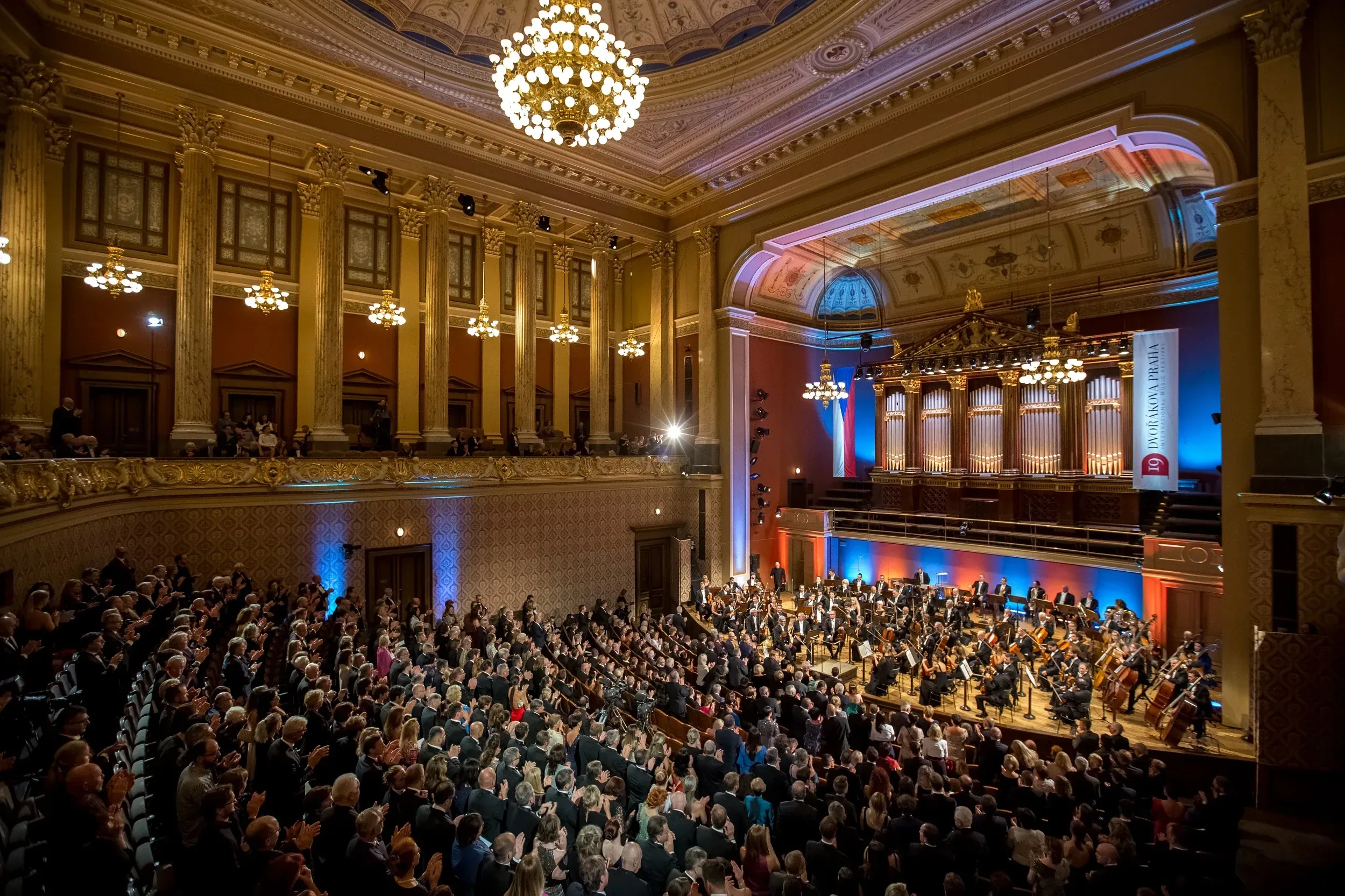
Starting from historic city culture, musical tradition, and immersive walking experiences, artistic observation, group exchange, and cultural understanding come together as the journey's final movement.
Historic cities and cultural studyAccording to the official Provençal Festival Venues page, the festival's venues span from Montpellier to Menton, with spaces arranged to suit each ensemble's character. Below is a selection of the most representative venues in the South of France, useful as a reference when planning exchange and performance itineraries.
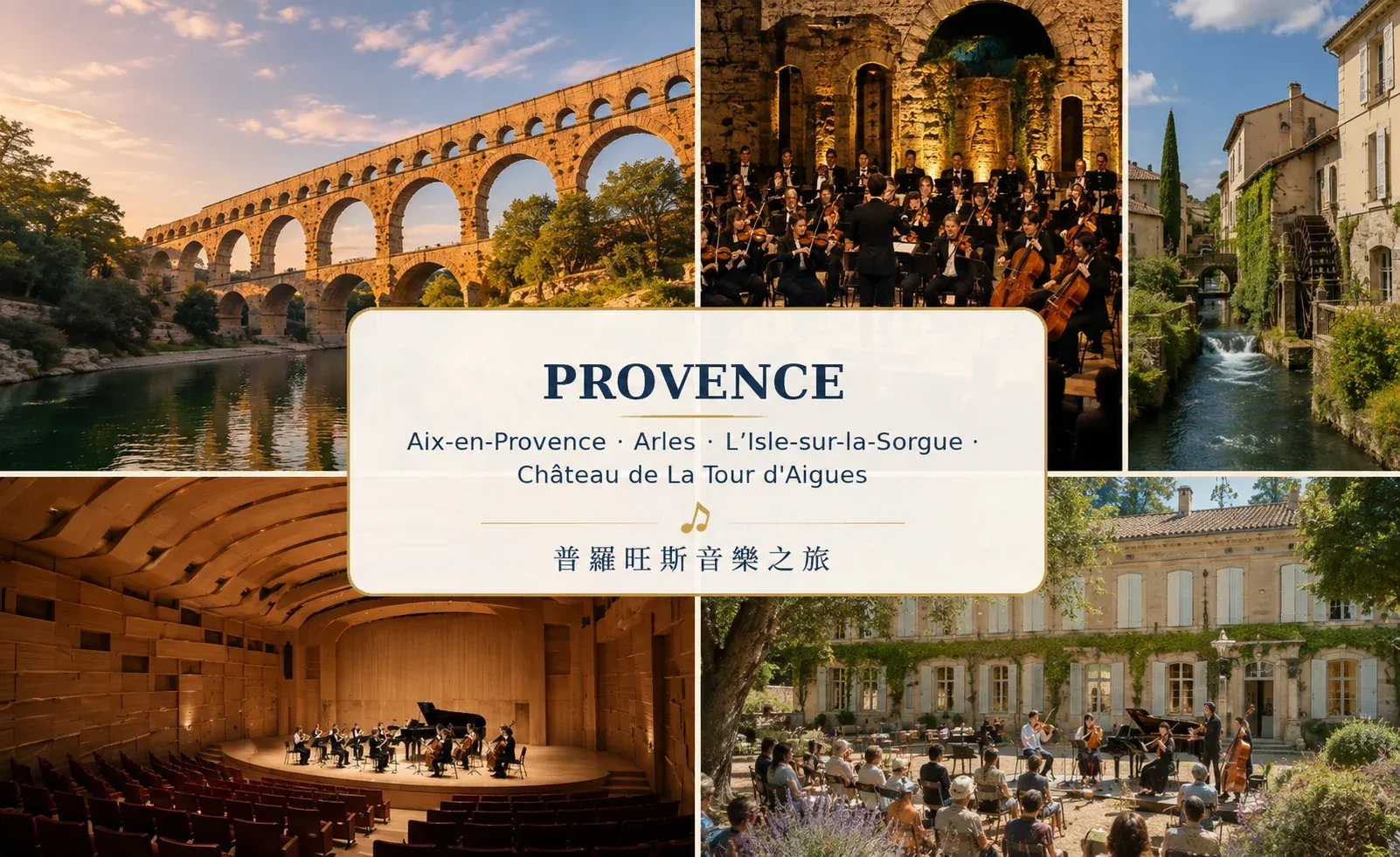
A city rich in artistic flair, best represented by outdoor venues such as Cathédrale de St-Sauveur and its square, Place des Martyrs de la Résistance, and Place des Prêcheurs — ideal for blending urban culture with public performance.
The courtyard of a Renaissance-era château offers sweeping views and a summer festival atmosphere, alongside more intimate terrace spaces suited to chamber music, small ensembles, or performances with a ceremonial feel.
Can be paired with the summer festival Rues en Musique for city-wide performances, with representative venues including Theatre Antique, Place de la République, Quai de la Trinquetaille, and Place Voltaire, all rich in history and audience engagement.
Ancient Roman Theatre · Summer FestivitiesKnown for its canals, waterwheels, and markets, Collégiale Notre Dame des Anges offers excellent acoustics, well suited to blending city strolls, cultural observation, and performance into a gentler, more intimate rhythm of exchange.
European exchange isn't just about visiting cities — it's about designing performances and learning content suited to each city: festival and venue experience in Provence, formal showcase and competition in Bratislava, and deeper artistic and cultural insight in Vienna and Prague.
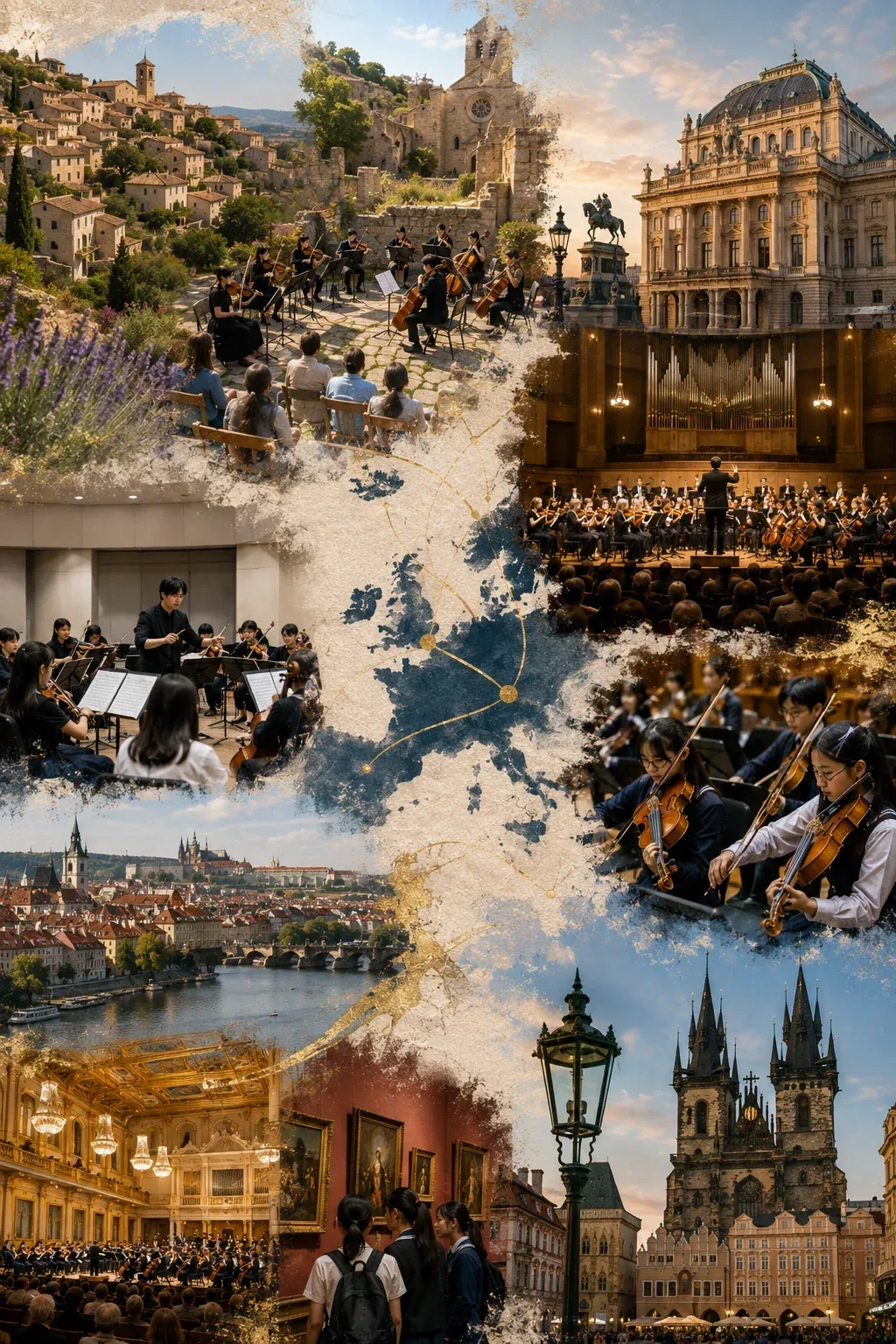
The foundation can tailor the European exchange to a group's size, level, and goals, breaking it into distinct focuses: festival venues in Southern France, stage performance and evaluation in Bratislava, classical artistic standards in Vienna, and humanities and city observation in Prague — turning the journey itself into a complete curriculum.
Discovering the performance context of squares, churches, castle courtyards, and outdoor summer music festivals.
Completing rehearsals, sound checks, performances, and professional feedback through a formal process.
Connecting works, architecture, neighborhoods, and city life into learning outcomes that can be built upon.
What truly matters is not a certificate or a single performance, but how students come to understand their own abilities, team responsibility, and future direction within a high-caliber environment.
Understanding the demands of the international stage for pitch, rhythm, balance, tone, and performance discipline.
Learning to maintain shared goals through travel, rehearsals, performances, and unexpected changes.
Building a more complete artistic understanding through architecture, history, repertoire, and city life.
Discovering the areas to strengthen in the next stage through observation and professional feedback.
The Foundation helps plan rehearsals, repertoire, performances, transportation and cultural learning based on the orchestra's size, level, participation goals and official event regulations.
Confirm age range, ensemble size, repertoire level, team size and preferred city chapters of focus.
Arrange the balance of classical study, festival venues, competition stages and cultural training based on the team's needs.
Complete repertoire length, score handling, venue requirements and stage configuration per festival or competition regulations.
Complete performances at city venues and professional stages, while absorbing history, architecture and city culture.
Transform the journey's experience into orchestra teaching, student records and planning for the next stage of international exchange.
European exchanges turn theatres, churches, old towns, museums, and composers' cultural heritage into living classrooms. Students don't just "see the sights"—they come to understand a work's style, historical context, and artistic heritage in the very places where it lives.
School orchestras, youth string ensembles, wind bands, chamber groups and music education teams are welcome to inquire. Actual schedules, venues, competition rules, southern France music festival dates and city itineraries will be arranged according to confirmed partnerships and host organizers.