Listening to Needs
Understanding each school's current situation, student numbers, teacher qualifications, instrument gaps, and planned development, so that resources match real on-site needs.
Starting from the real learning needs of Taiwanese schools and students, Lexuan Foundation instrument sharing, teacher support, curriculum mentoring, campus workshops, and showcase stages integrates them into sustainable charitable music education initiatives. Let a single act of goodwill not only reach schools, but truly transform into music learning that children can begin, continue, and complete.
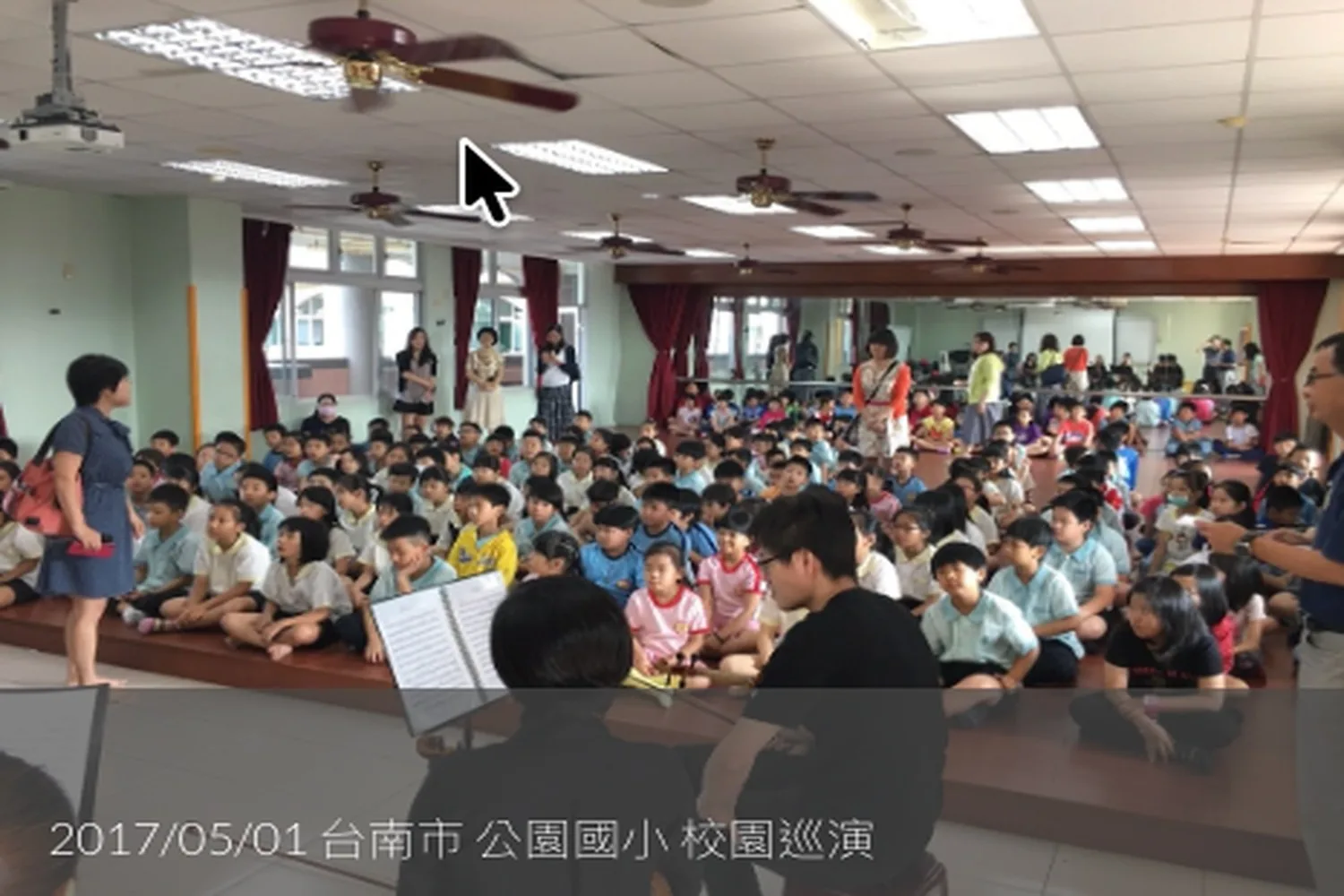
Every charitable contribution should respond to real needs, and be properly used and sustainably developed within schools.
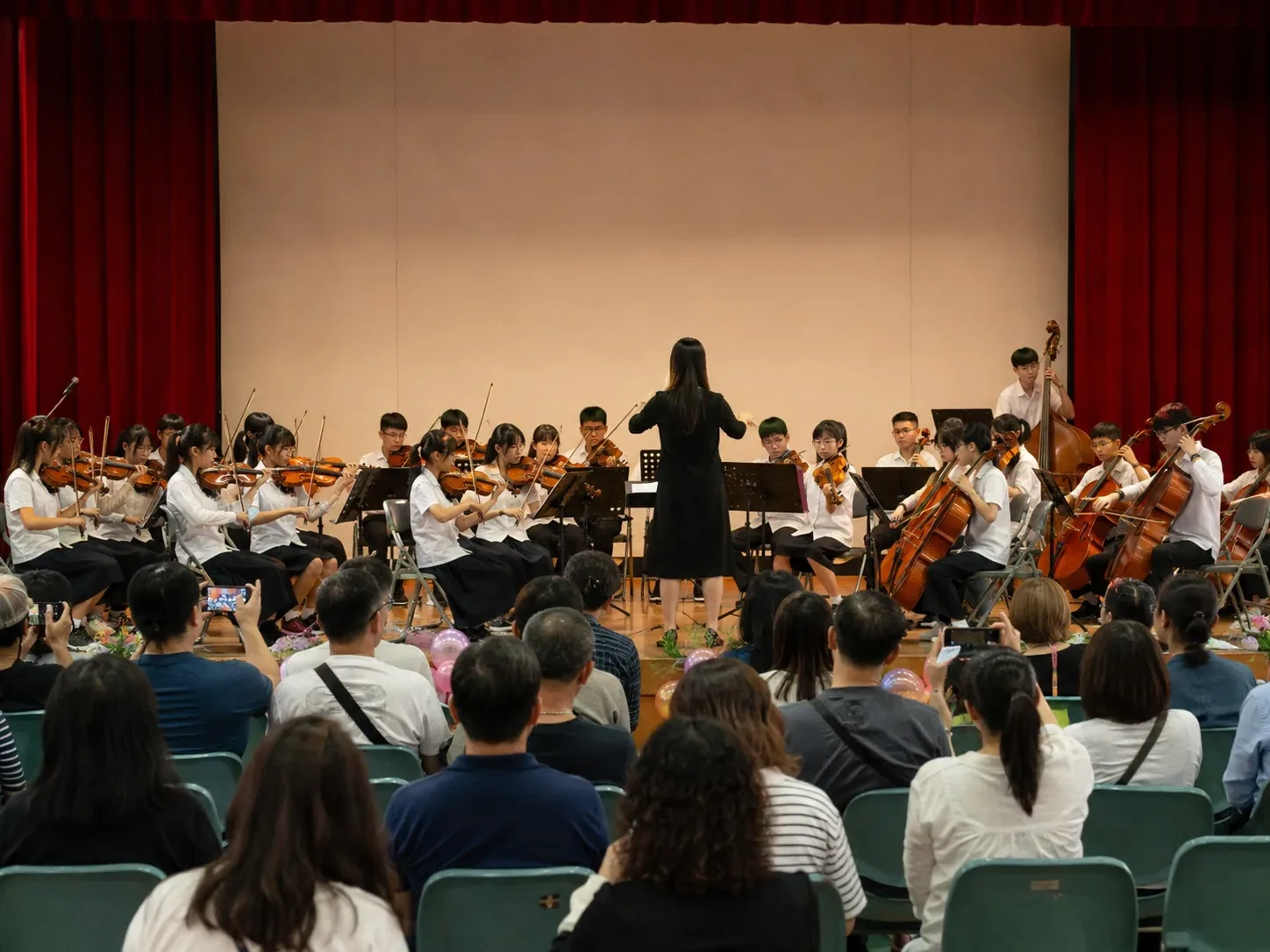
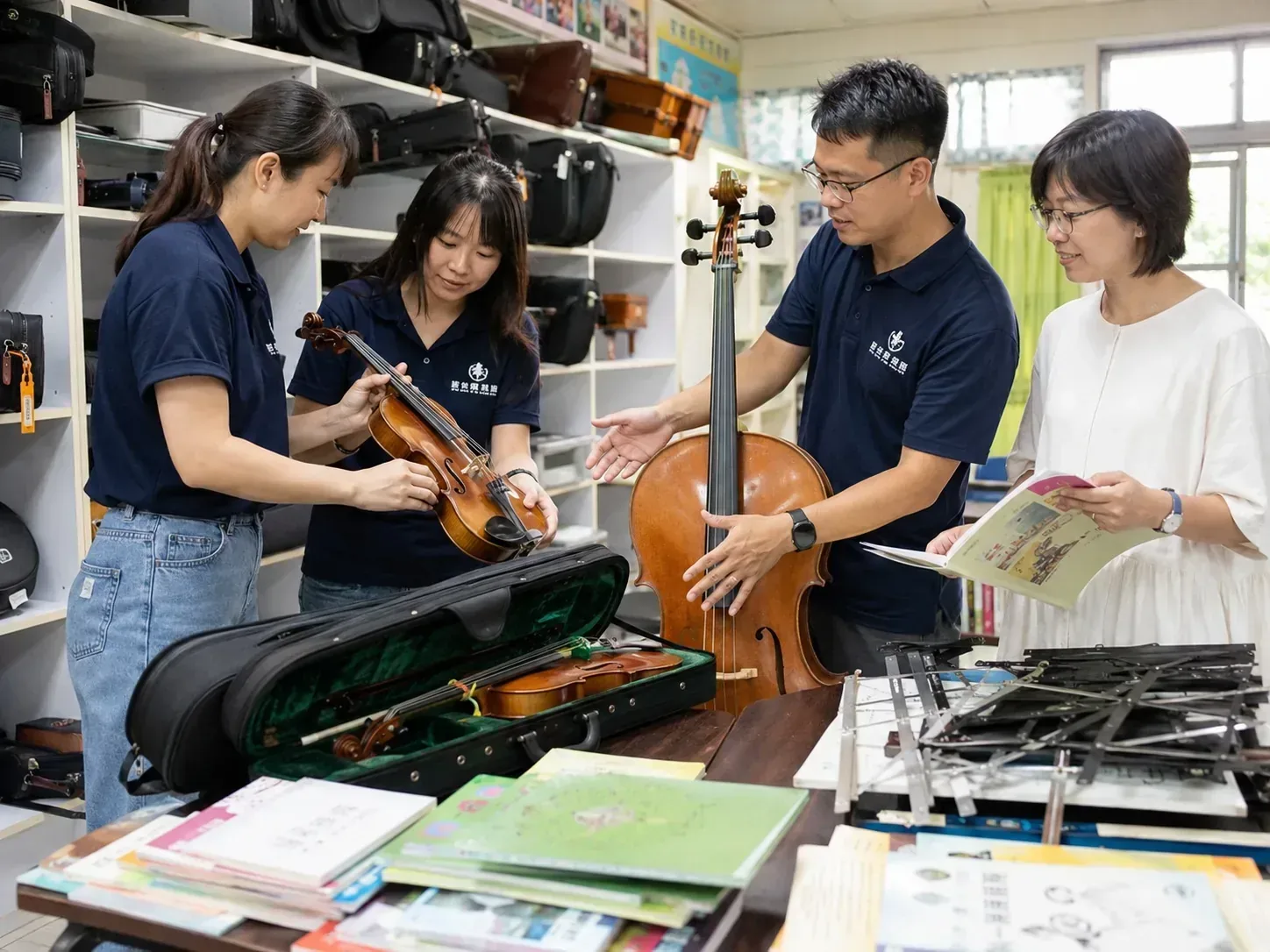
Since launching the "Music Sharing Project" in 2013, the Foundation has continued to address gaps in instruments, teacher training, and learning resources across Taiwan's schools. What many schools need is not a one-time donation, but a form of support that teachers can use, students can learn from, and schools can sustain.
That is why we see charitable music education as a complete path: first listening to what schools need, then organizing and matching suitable resources, helping courses and ensembles get started, and finally reviewing outcomes so that every effort leaves a clear educational impact.
Charitable action can't stop once a donation is made. From needs assessment, resource organization, and school matching to teaching launch and outcome feedback, every step requires clear responsibility and follow-through.
Understanding each school's current situation, student numbers, teacher qualifications, instrument gaps, and planned development, so that resources match real on-site needs.
Clarifying available instruments, funding, teachers, curricula, volunteers, and technical support, and confirming their condition and usability.
Pairing resources by school level, region, ensemble size, and educational goals, so they reach schools that can truly use and commit to them.
Bringing resources into actual teaching through teachers, courses, workshops, and student recruitment, rather than leaving them in storage or on display.
Compiling usage status, student feedback, performance results, and next-stage needs, so the support relationship can continue and improve.
Every school's needs are different. Based on on-site conditions, the Foundation combines its resources into four areas: instruments, teachers, campus activities, and long-term support.
We collect usable string and wind instruments along with related accessories, inspect, clean or repair them, and then match them to schools based on actual needs.
We connect schools with music teachers, ensemble coaches, and short-term workshops, helping them build practical introductory courses, ensemble training, and an annual learning rhythm.
Taiwanese student orchestras, teachers, and music professionals visit schools, sparking children's interest through demonstration performances, interactive experiences, and musical storytelling.
We help schools build sustainable music teams step by step — from student recruitment and instrument allocation to rehearsal systems and final performances.
Schools across Taiwan's different regions vary in teaching staff, transportation, instrument maintenance, student scale, and course conditions. Charitable support must respect these differences rather than applying one single plan to every campus.
Can combine educational institutions, professional teachers, instrument maintenance, and urban performance resources to form collaborative nodes supporting other regions.
By sharing teachers among nearby schools, joint rehearsals, and regional showcase concerts, the efficiency of limited resources is improved.
Taiwanese student orchestras and local education partners enter campuses, sparking motivation to learn through performances, experiences, and workshops.
Depending on distance and availability of teachers, combine concentrated workshops, online mentoring, instrument support, and periodic on-site visits.
Public-benefit music education values educational outcomes, not the quantity of goods. All support should be built on four basic principles: need, quality, responsibility, and continuity.
First confirm the students, curriculum, teachers, and context of use, then decide on the appropriate resources and mode of cooperation.
Instruments and equipment must meet basic usability standards, avoiding shifting the burden of sorting and processing onto the receiving school.
After resources enter a school, they still need to be paired with teachers, curriculum, or usage guidance for real learning to take shape.
Understand usage conditions, student participation, and follow-up challenges, so future support can be more precise and effective.
We invite schools, teachers, orchestras, businesses, families, and music professionals across Taiwan to join this public-benefit music education initiative — through instrument sharing, teacher support, campus workshops, and long-term companionship, creating more opportunities for children to access and continue learning music.