Broaden listening experience
Encountering different teams' tone, rehearsal language, and repertoire choices lets students re-understand their own sound and role.
From one school to another, connecting student orchestras across different regions of Taiwan through campus visits, joint rehearsals, sectional exchanges, teacher co-planning, and shared stages to get to know one another. Cross-school exchange is not a single performance, but a chance for students to practice listening, collaborating, and achieving together — across different campuses, team cultures, and learning conditions.
Different schools have different team cultures, teaching methods, student compositions, and venue conditions. When students step into another campus, the value of exchange lies not just in comparing playing levels, but in seeing how each other practices, cooperates, manages time, and completes shared works.
Encountering different teams' tone, rehearsal language, and repertoire choices lets students re-understand their own sound and role.
Building rhythm, breathing, and consensus with unfamiliar partners in limited time, fostering real teamwork.
Understanding differences in urban/rural settings, scale, and resources, building a more mature attitude of exchange starting from mutual respect.
After the exchange, relationships can keep developing through online co-learning, return visits, joint performances, and teacher communities.
Cross-school exchanges can start with a half-day campus visit, or grow into cross-regional visits, thematic co-learning, or annual joint programs. The key is that students on both sides actively participate, not just one-way observation.
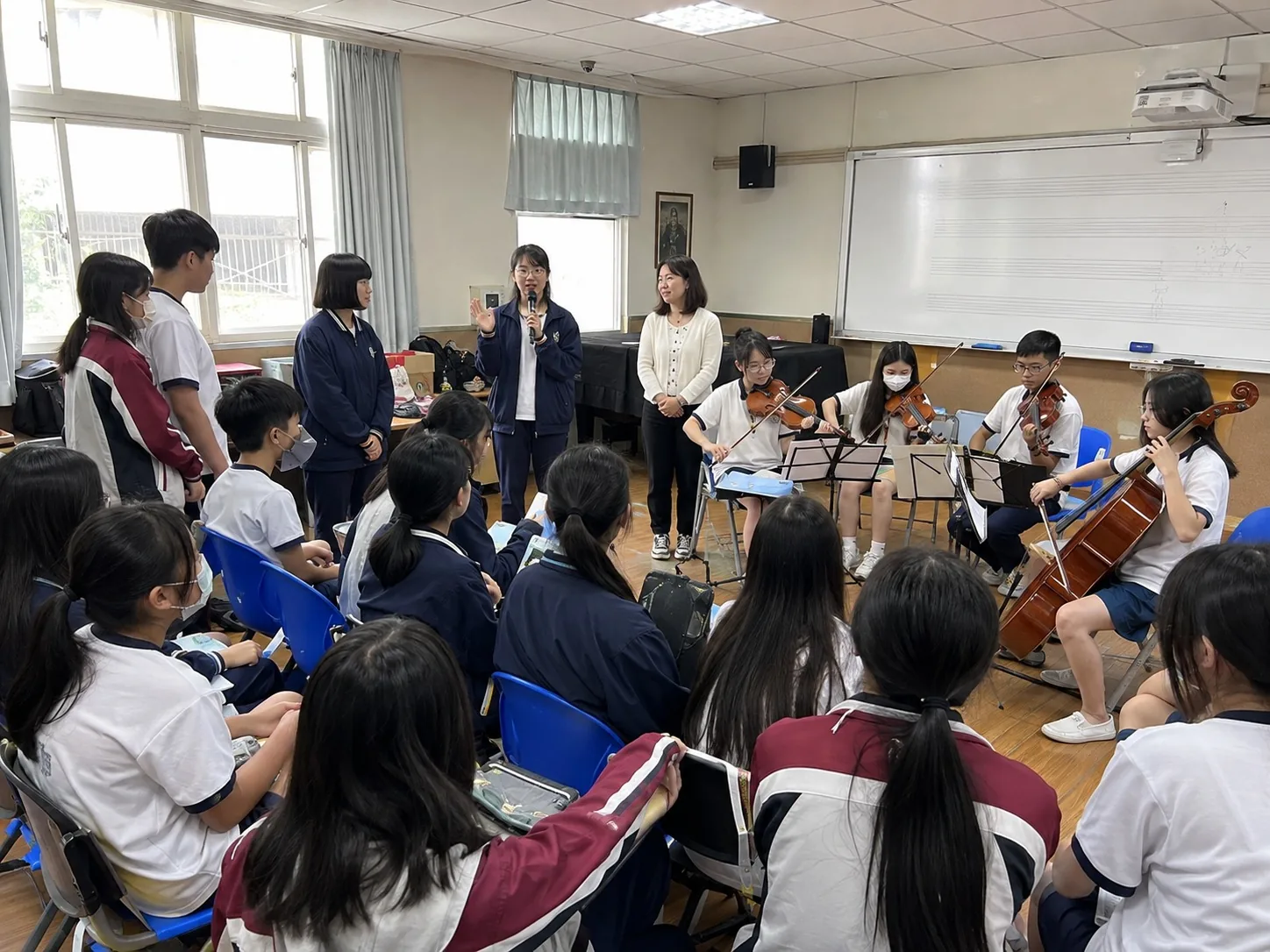
One school acts as host, arranging campus tours, group introductions, demonstration rehearsals, and student exchanges—an ideal starting point for first-time collaboration.
Half day / one day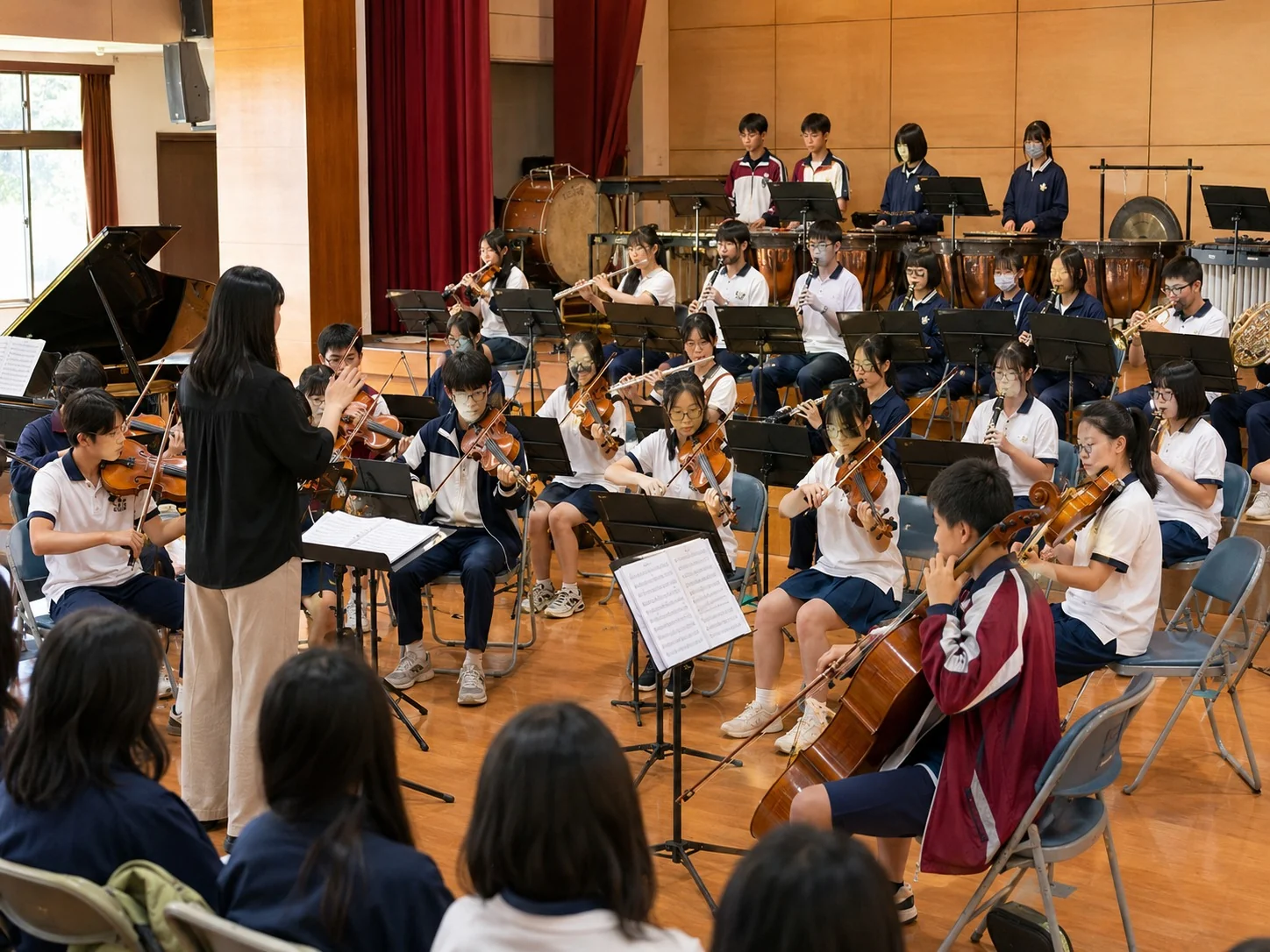
Both sides prepare their own and shared repertoire, completing a joint outcome through sectional exchanges, ensemble rehearsals, and a shared concert.
One day / two days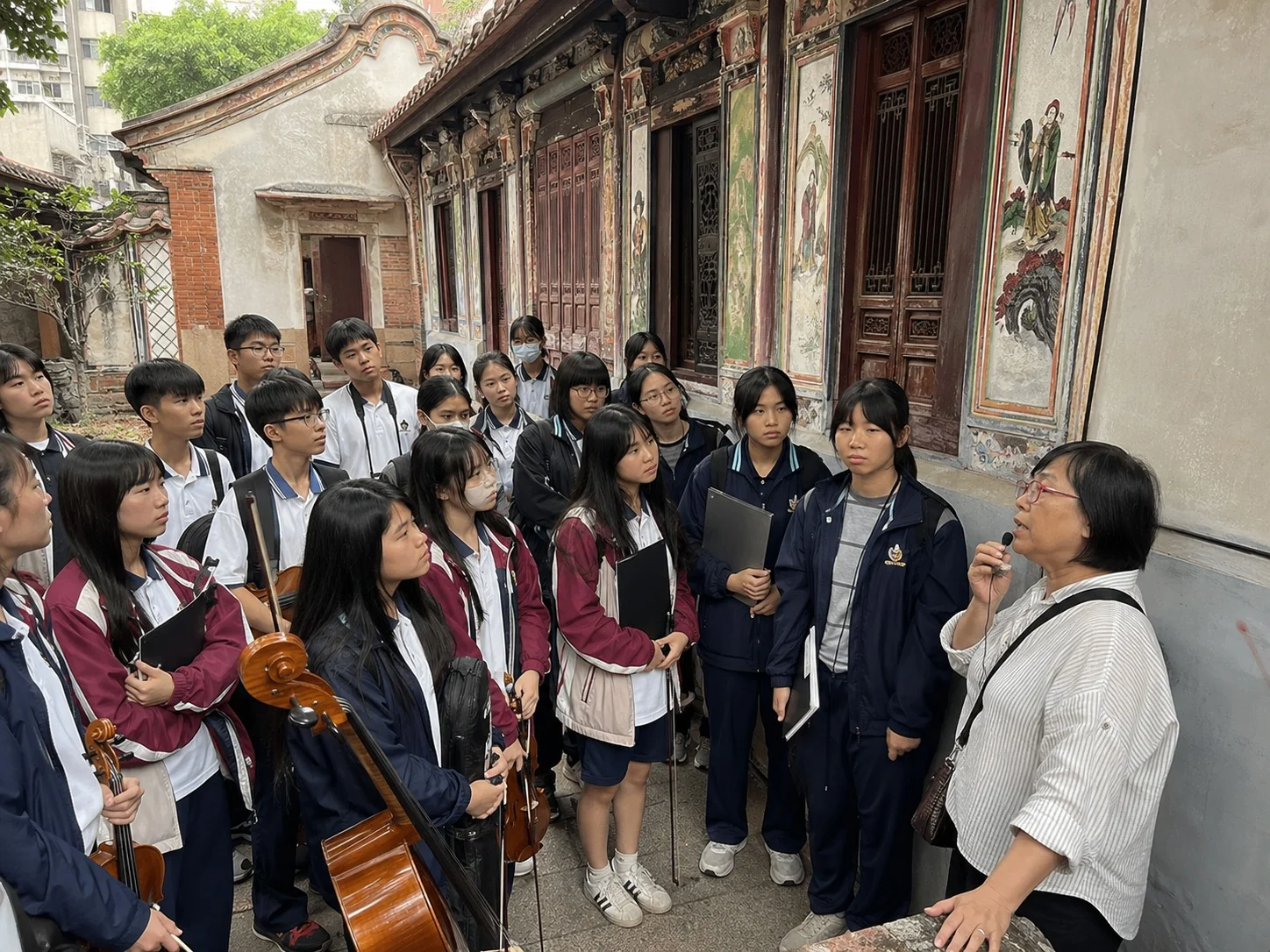
Combining city culture, campus characteristics, and music curricula, so students understand different local lifestyles and educational environments beyond just performing.
Two days or more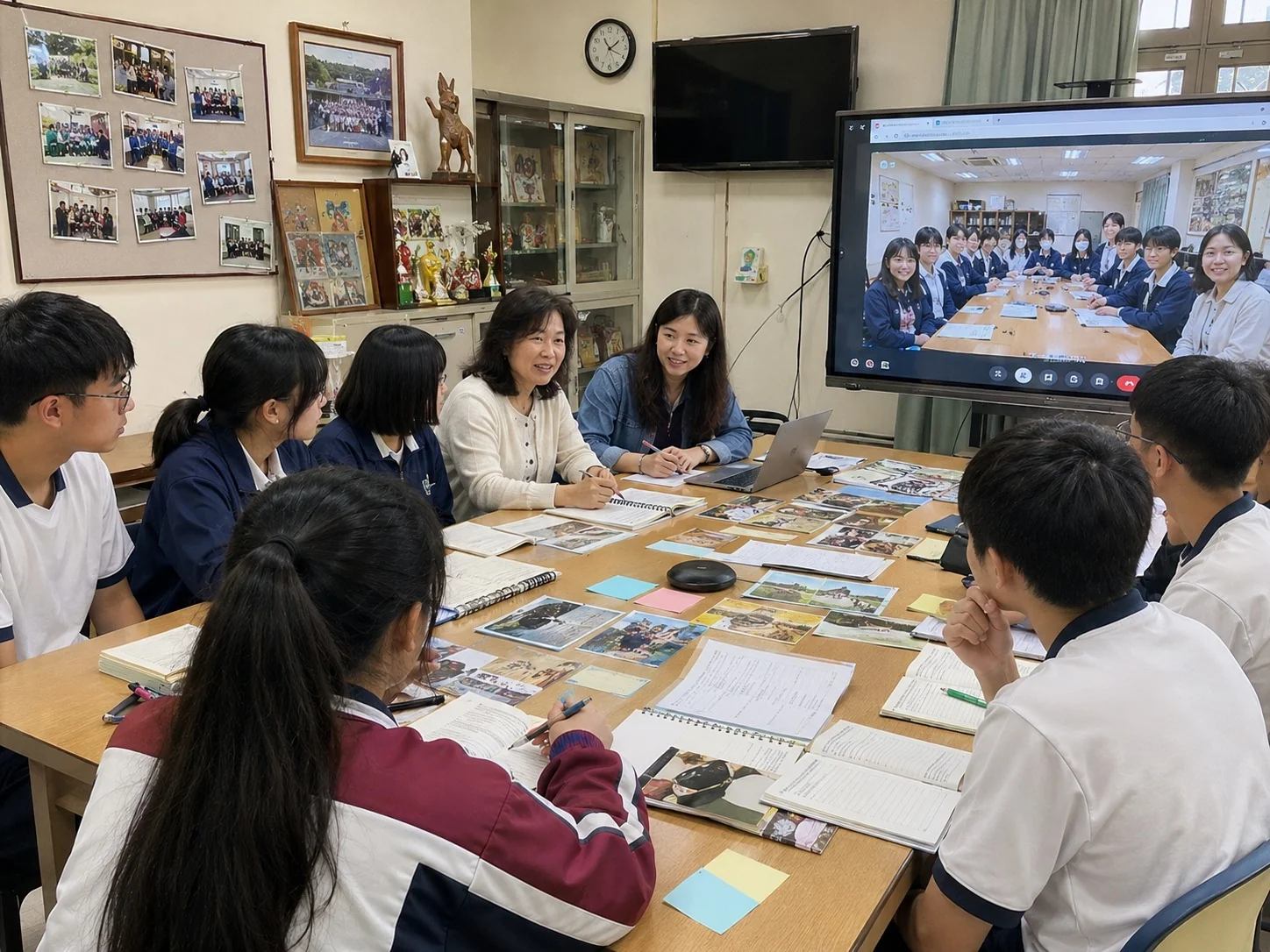
Planning online meetings, joint teacher preparation, mutual visits, joint outcomes, and continuation into the next year, to build stable inter-school partnerships.
Semester / annualExchange routes shouldn't be decided by distance alone — student age, ensemble size, playing level, shared repertoire, travel burden, and both sides' educational goals all matter. Regional exchange is ideal for first-tier collaboration, while cross-regional visits bring out more distinct cultural and learning differences.
Focused on schools within the same county or nearby areas, with lower travel costs — suitable for half-day or full-day campus visits, sectional exchanges, and joint concerts.
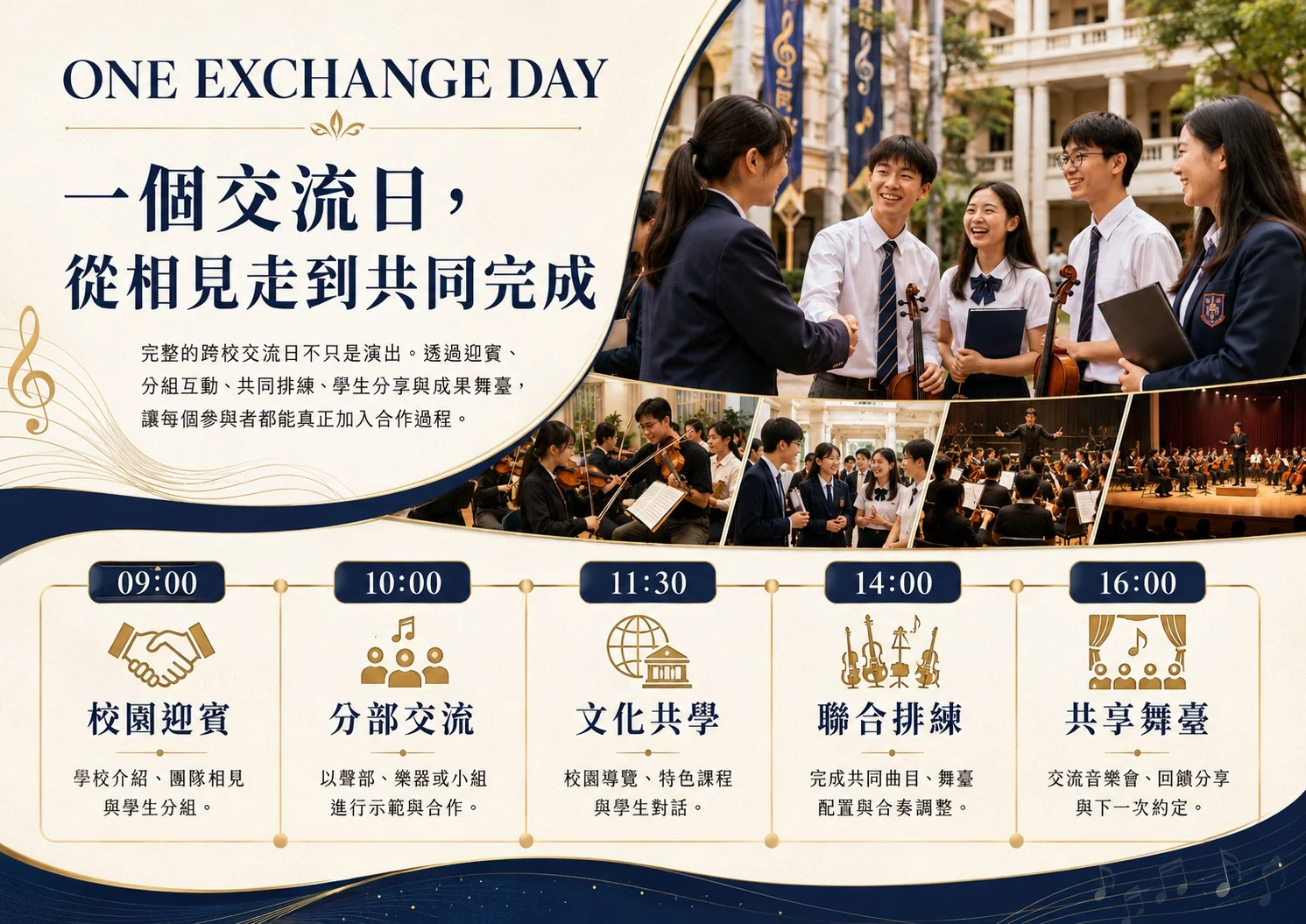
A complete cross-school exchange day is more than a performance. Through welcoming, group interaction, joint rehearsal, student sharing, and a showcase stage, every participant truly joins the collaborative process.
School introductions, team meet-ups, and student grouping.
Demonstrations and collaboration by section, instrument, or group.
Campus tours, signature classes, and student dialogue.
Completing shared repertoire, stage setup, and ensemble adjustments.
Exchange concert, feedback sharing, and plans for next time.
Schools, student orchestras, and educational organizations across Taiwan are welcome to propose cross-school exchange initiatives. The foundation can help organize collaboration directions and exchange content based on each group's needs, region, and educational goals.