
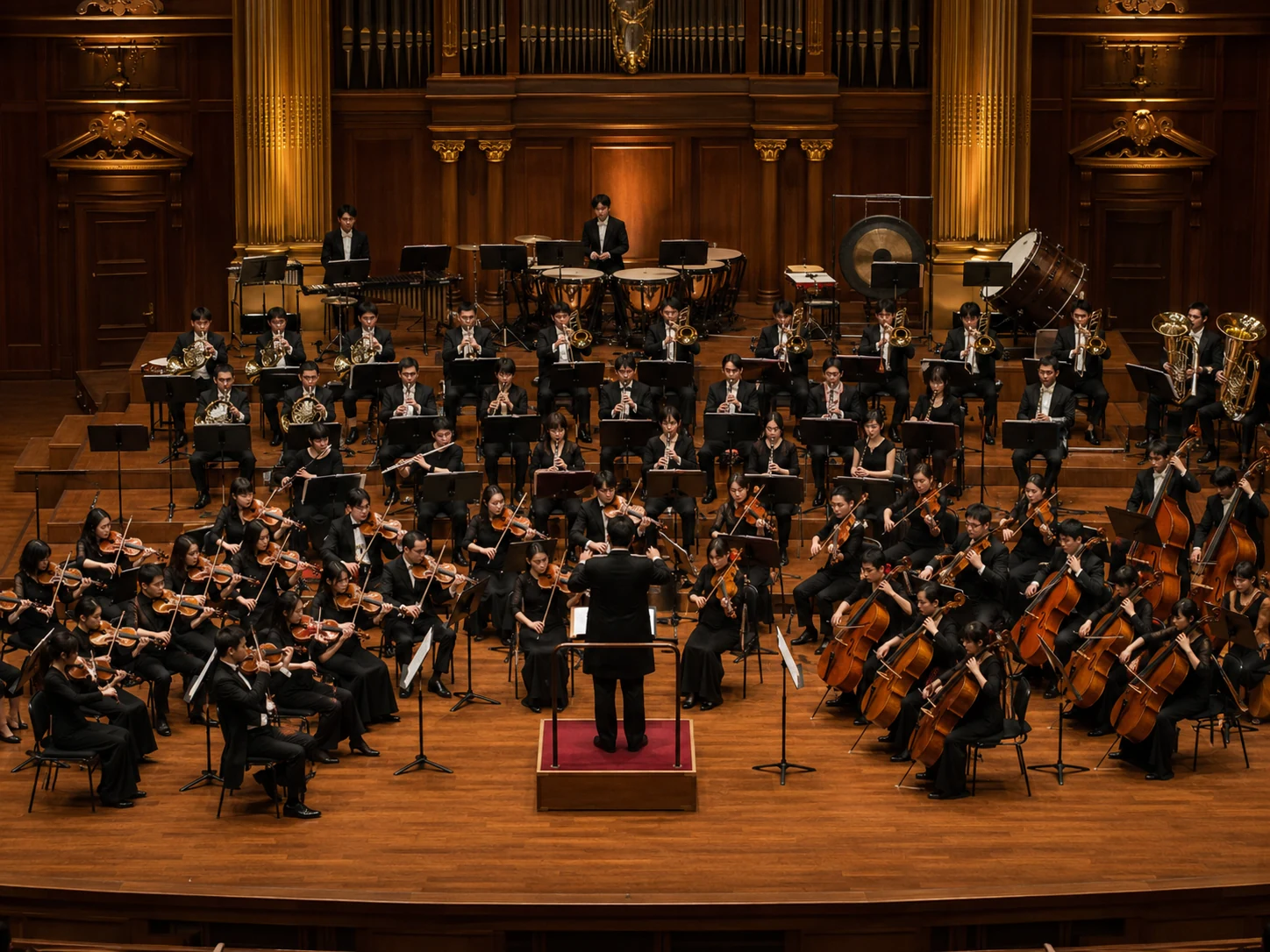
SYMPHONY ORCHESTRA
Orchestra Competition
Comprehensively assesses the strings, woodwinds, brass, and percussion sections, part balance, and overall interpretation.
Through a fair, transparent, and educationally meaningful evaluation system, orchestras of different ages, sizes, and stages of development receive professional feedback on a formal stage, come to understand their own strengths, and chart their direction for the next stage of growth.
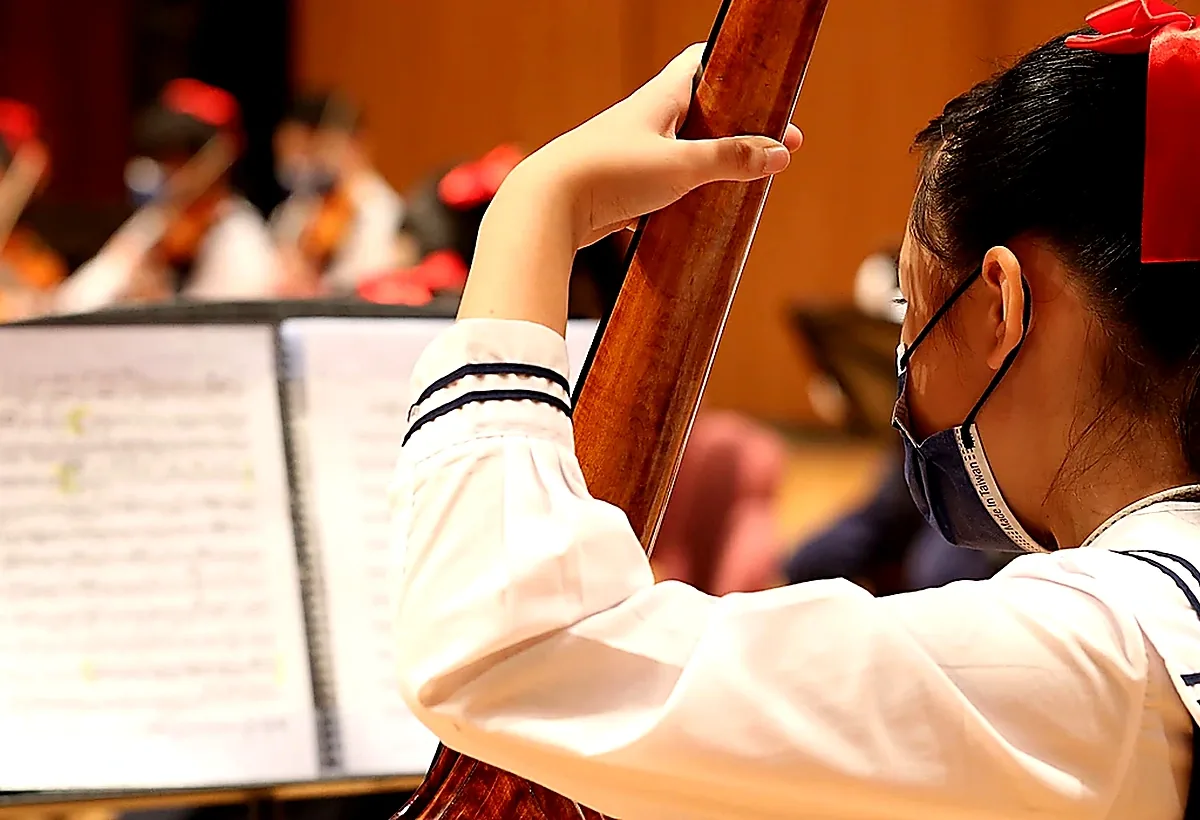
A good competition system must balance fairness, comparability, and educational value. Beyond performance results, it should also consider ensemble skill, musical understanding, repertoire mastery, stage discipline, and overall development.
Competition divisions shouldn't be defined by headcount alone — age, repertoire, instrumentation, rehearsal background, and the group's development goals all matter.
Comprehensively assesses the strings, woodwinds, brass, and percussion sections, part balance, and overall interpretation.
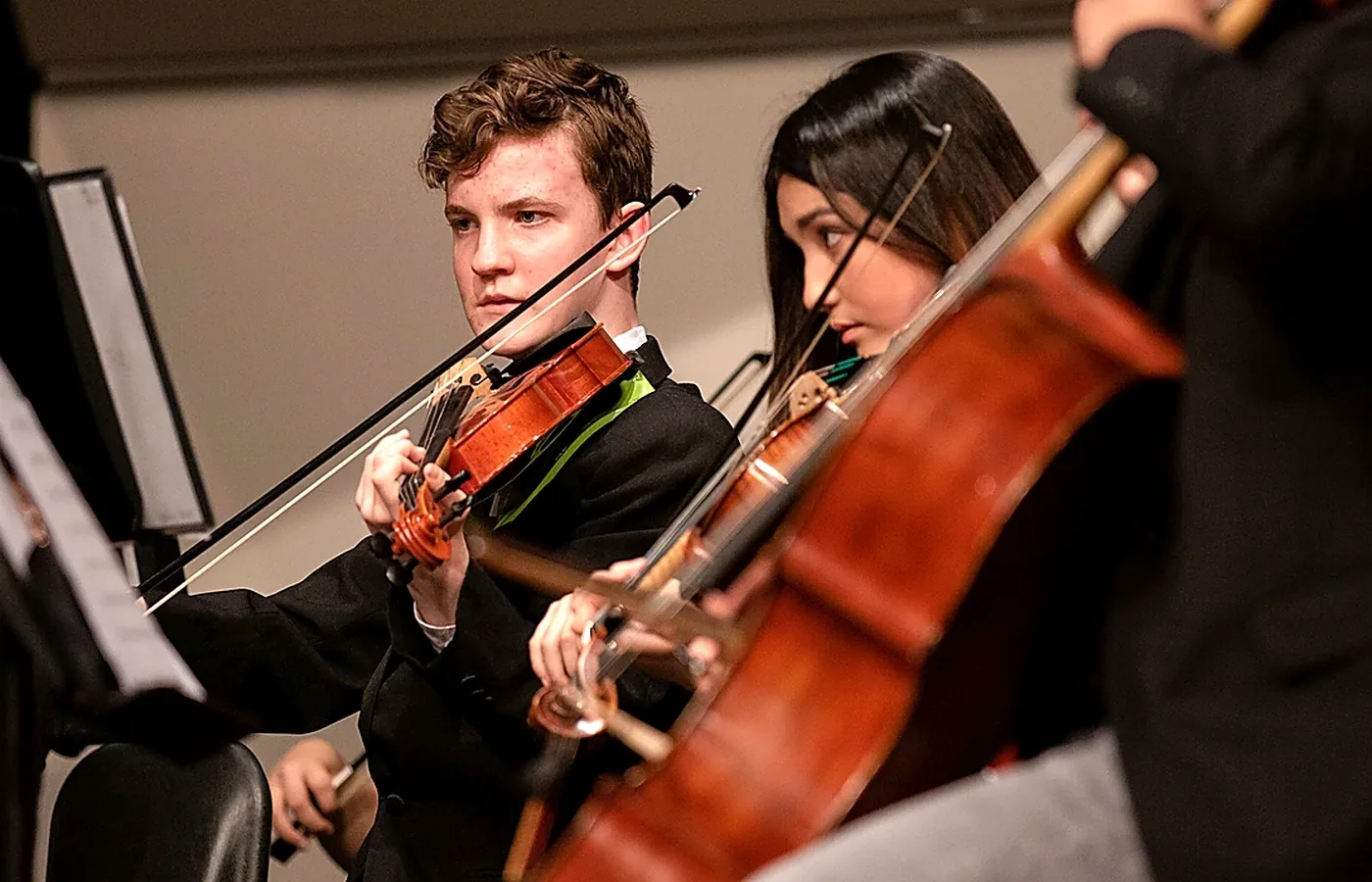
Focuses on tonal unity, bowing, ensemble breathing, and musical phrasing.
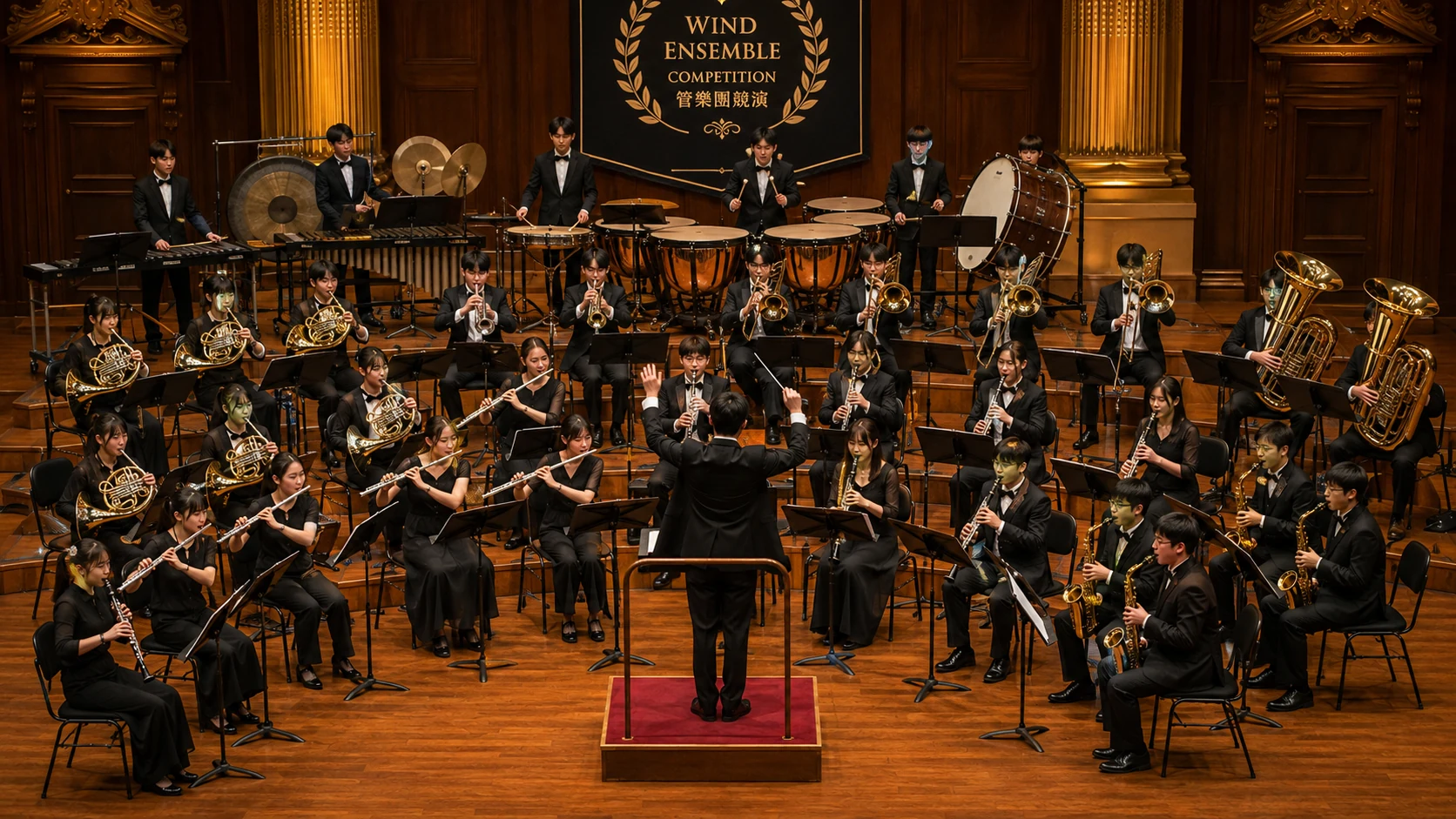
Assesses intonation, tone, dynamic control, rhythm, and section balance.
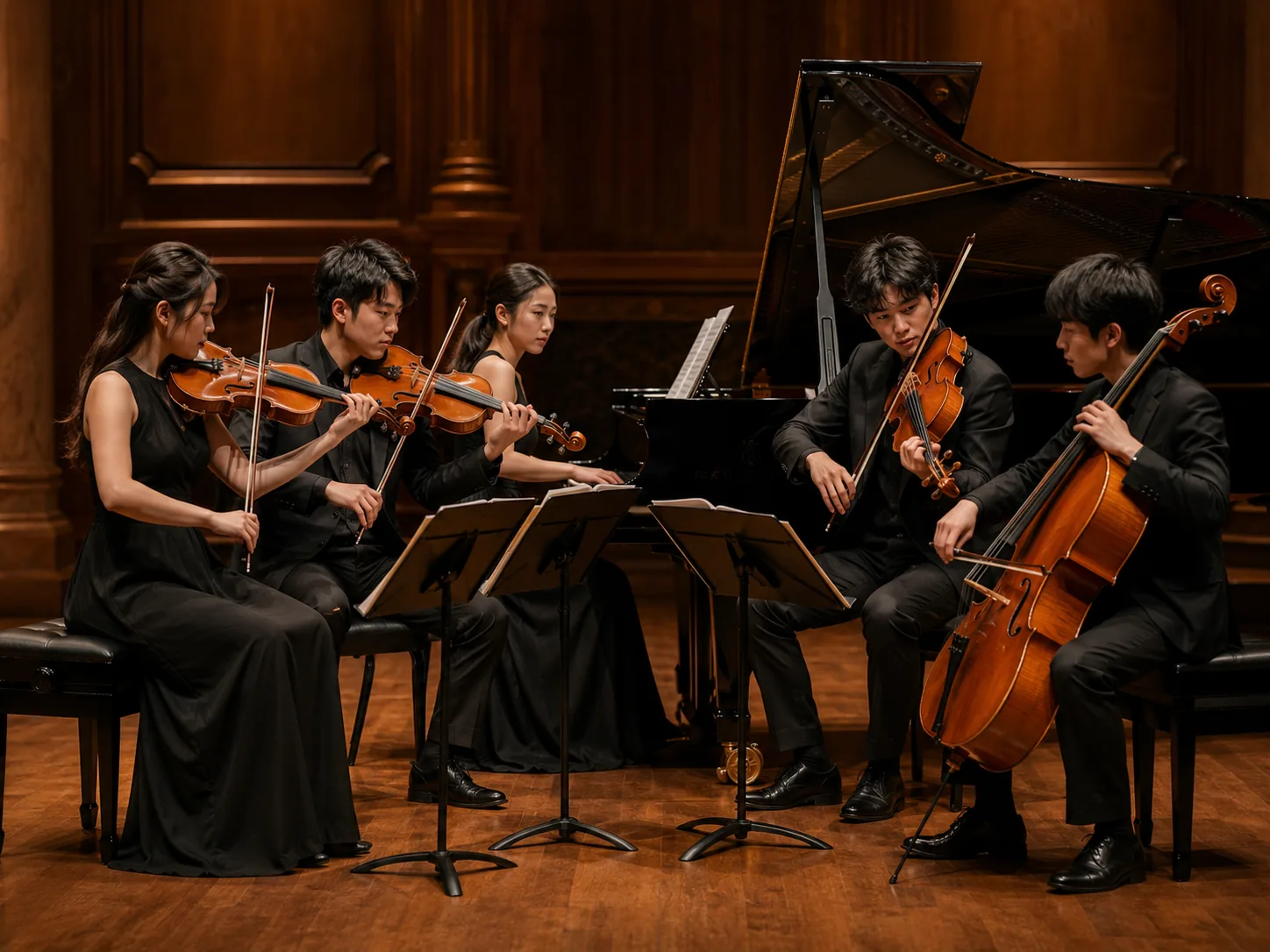
Focuses on individual responsibility, interaction, breathing, listening, and understanding of the work.
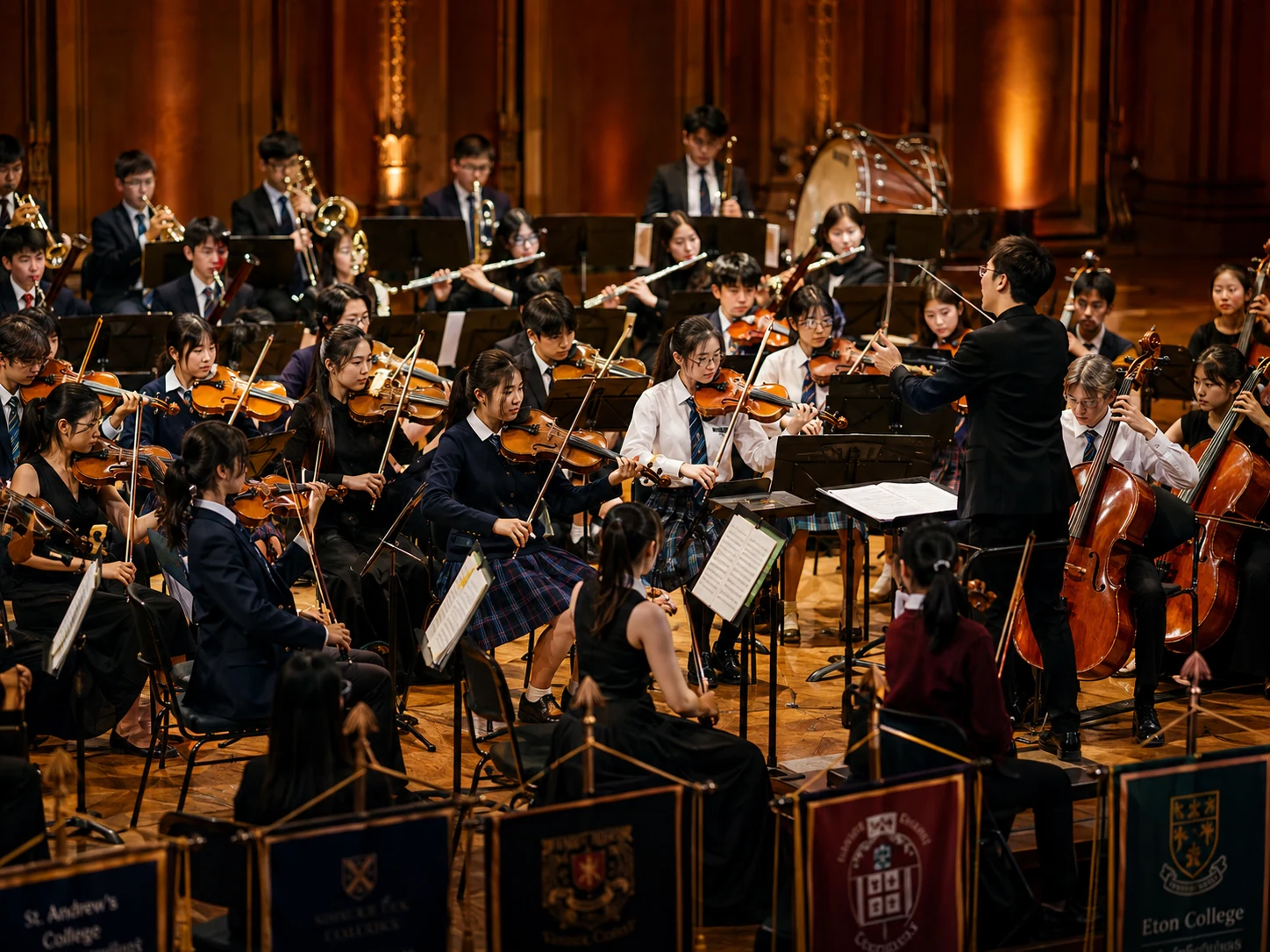
Presents the results of exchange through shared repertoire, sectional rehearsals, and collaborative performance.
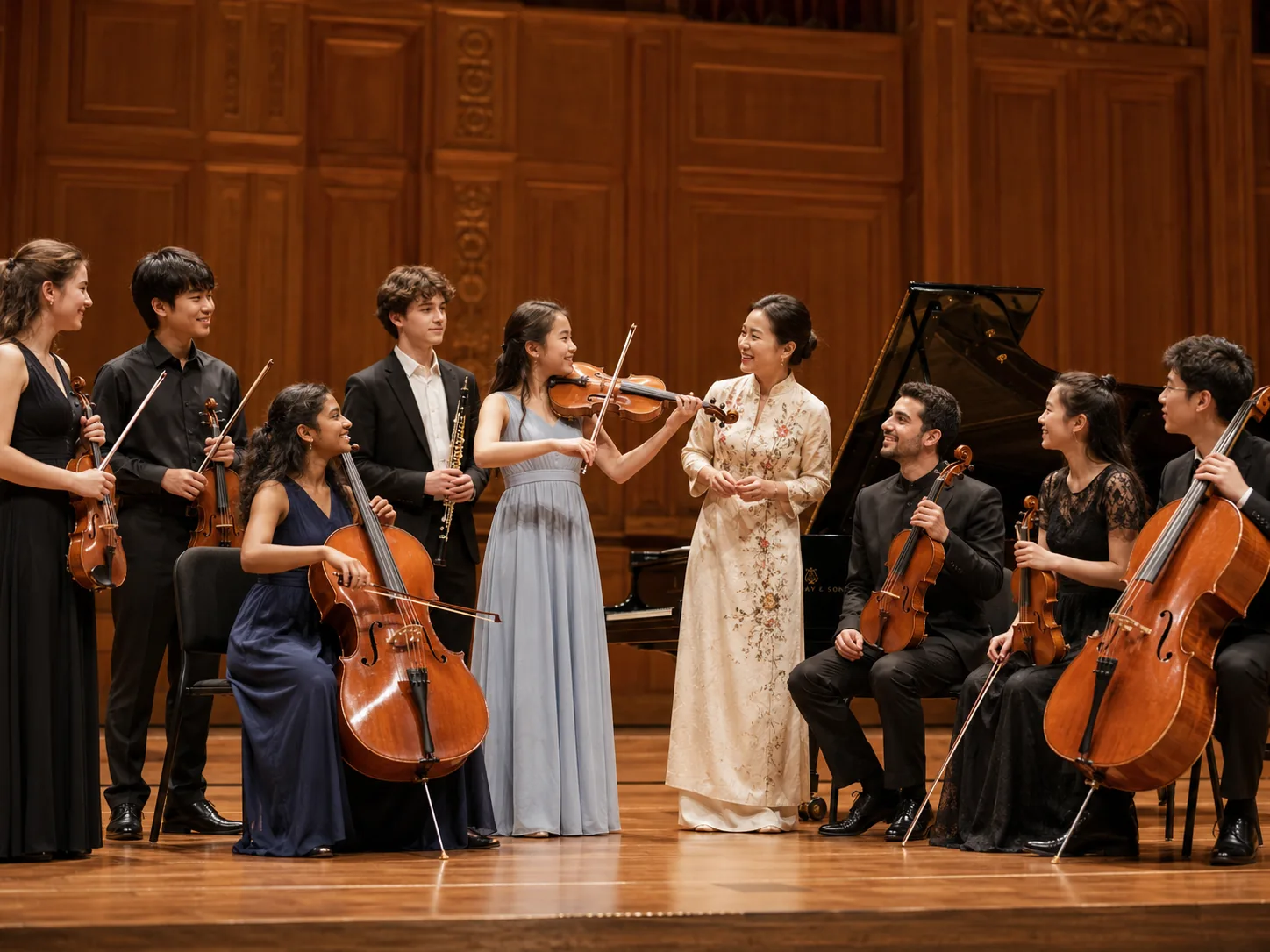
Centered on exchange, demonstration, and cultural sharing; may be excluded from competitive ranking.
Below is a suggested template structure; age, member ratios, performance time and cross-group limits may be adjusted for the actual event scale.
Focuses on building ensemble experience, basic musicality and stage discipline; scoring should avoid over-emphasizing highly difficult repertoire.
Enrollment status, cross-school teams, outside assistance and whether instructors may perform should be clearly defined.
Age-appropriate works that showcase ensemble ability are encouraged; difficulty should not be the sole advantage.
Timing starts from the announcement or the first note; overtime handling should be clearly stated in the guidelines.
Written comments and itemized scores are recommended so teachers can build on them for future teaching goals.
Beyond basic ensemble skills, further assesses balance between parts, stylistic understanding, attention to detail and team autonomy.
Whether intonation, rhythm, bowing/breathing, articulation and beat changes remain consistent.
Observing listening between sections, response to conducting, phrasing and breath, and dynamic layering.
Repertoire should showcase the team's strengths while offering educational challenge and meaning.
Includes entering/exiting the stage, tuning, preparation to begin, piece transitions, and post-performance order.
Strengthens understanding of the work, tonal maturity, musical expression and command of large-scale structure, requiring more complete stage professionalism.
Whether the team understands form, harmony, style and historical context.
Whether sectional tone, dynamics, articulation and overall sound have a clear direction.
Whether conducting gestures, member response, tempo control and musical intent are aligned.
Whether structure, focus and stage tension are maintained from the first note to the last.
Suitable for college-age or advanced youth teams; emphasizes artistic perspective, depth of the work and professional stage standards.
Whether there are clear, perceivable interpretive choices.
Whether large-scale structure, tension, tone and stylistic detail are mastered.
Whether scores, staging, timing, attire and team discipline meet public performance standards.
Whether program design, repertoire notes and stage presentation are engaging.
Suitable for cross-age, community or internationally invited teams; may be divided into competition, demonstration or exchange showcase depending on the event's purpose.
Scoring criteria should avoid cultural bias and respect different educational systems and performance traditions.
May be non-ranked, focusing on demonstration, exchange, critique and joint performance.
Guidelines, hosting, comments and on-site information should include necessary bilingual versions.
Arrange observation sessions, discussions, rehearsal exchanges and a joint finale to enhance participation value.
Every competition round needs clear timing, defined responsibilities and contingency plans, so teams don't waste focus off-stage.
Panel composition, conflict-of-interest avoidance, score calibration, and comment formats are all vital foundations of a competition's credibility.
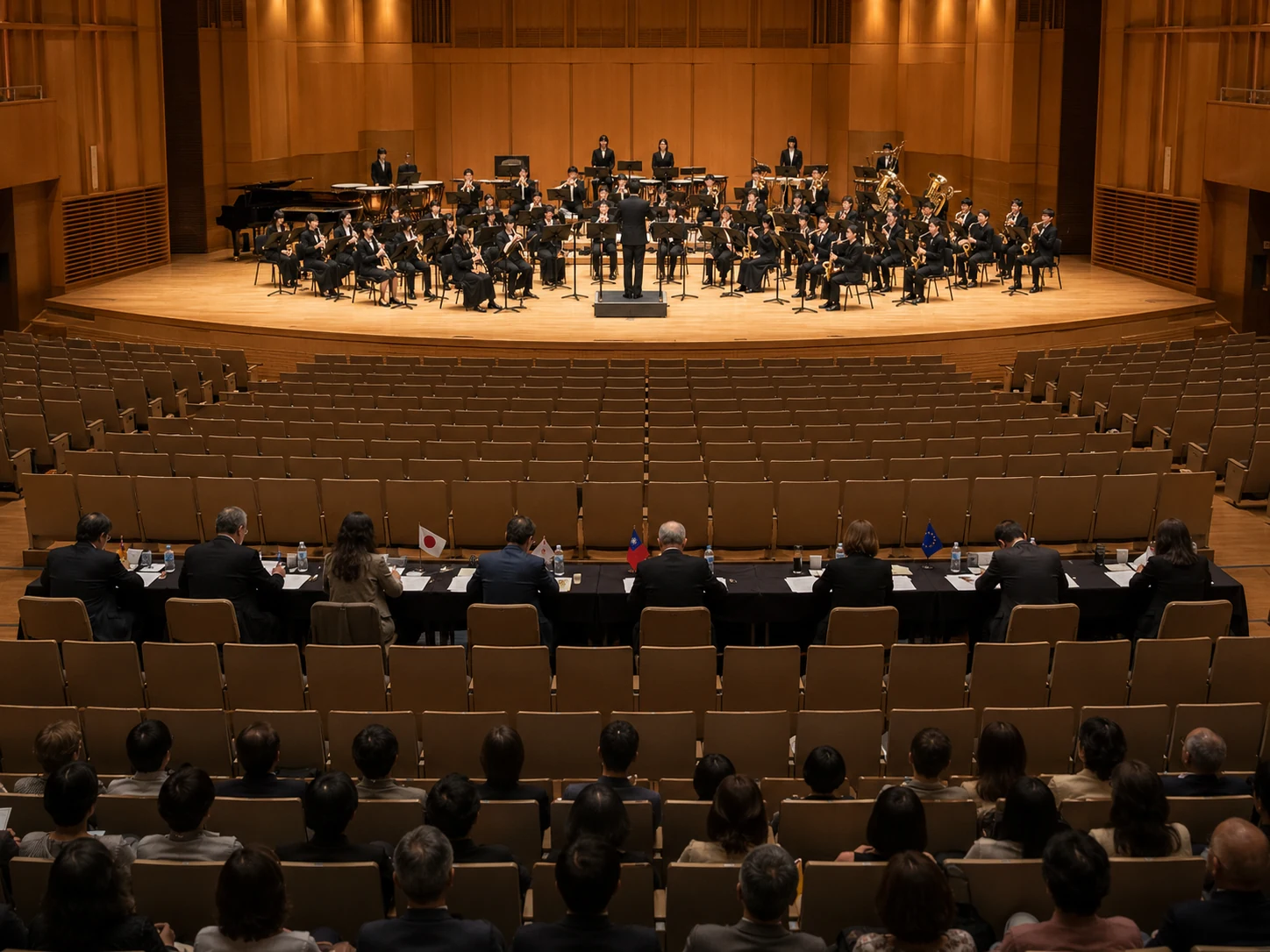
Let teams know where their strengths lie, why issues occurred, and how to practice for the next stage.
Judges should cover diverse perspectives such as conducting, instrumental performance, ensemble education, and stage practice.
Those with direct teaching, employment, or family ties to competing teams should recuse themselves per the rules.
Reach consensus before the competition on scoring scales, extreme scores, and how to handle ties.
Avoid writing only "good" or "needs improvement"; point out audible phenomena and directions for improvement.
"The value of a comment lies not in repeating a score, but in turning what happened on stage into information usable for the next rehearsal."Judging Feedback Design Principles | Template Text
Overall awards, category honors, educational growth, and exchange recommendations can be designed separately, so results aren't all concentrated on a single ranking.
Based on weighted scores and panel consensus, recognizing overall completeness and artistic expression.
Recognizing balance between sections, listening, breathing, and responsiveness to the conductor.
Recognizing understanding of the work, style, structure, and completeness of emotional expression.
Valuing team development, learning engagement, and milestone breakthroughs, not just absolute level.
Recognizing repertoire planning, thematic narrative, guided listening, or innovative presentation.
Selecting teams well suited for further exchange, music festivals, or demonstration performances.
Each stage should have clear submission requirements, confirmation methods, and a responsible contact, reducing communication costs for teams and organizers.
Image sections may be replaced after launch with confirmed foundation event records, along with year, location, and licensing details.
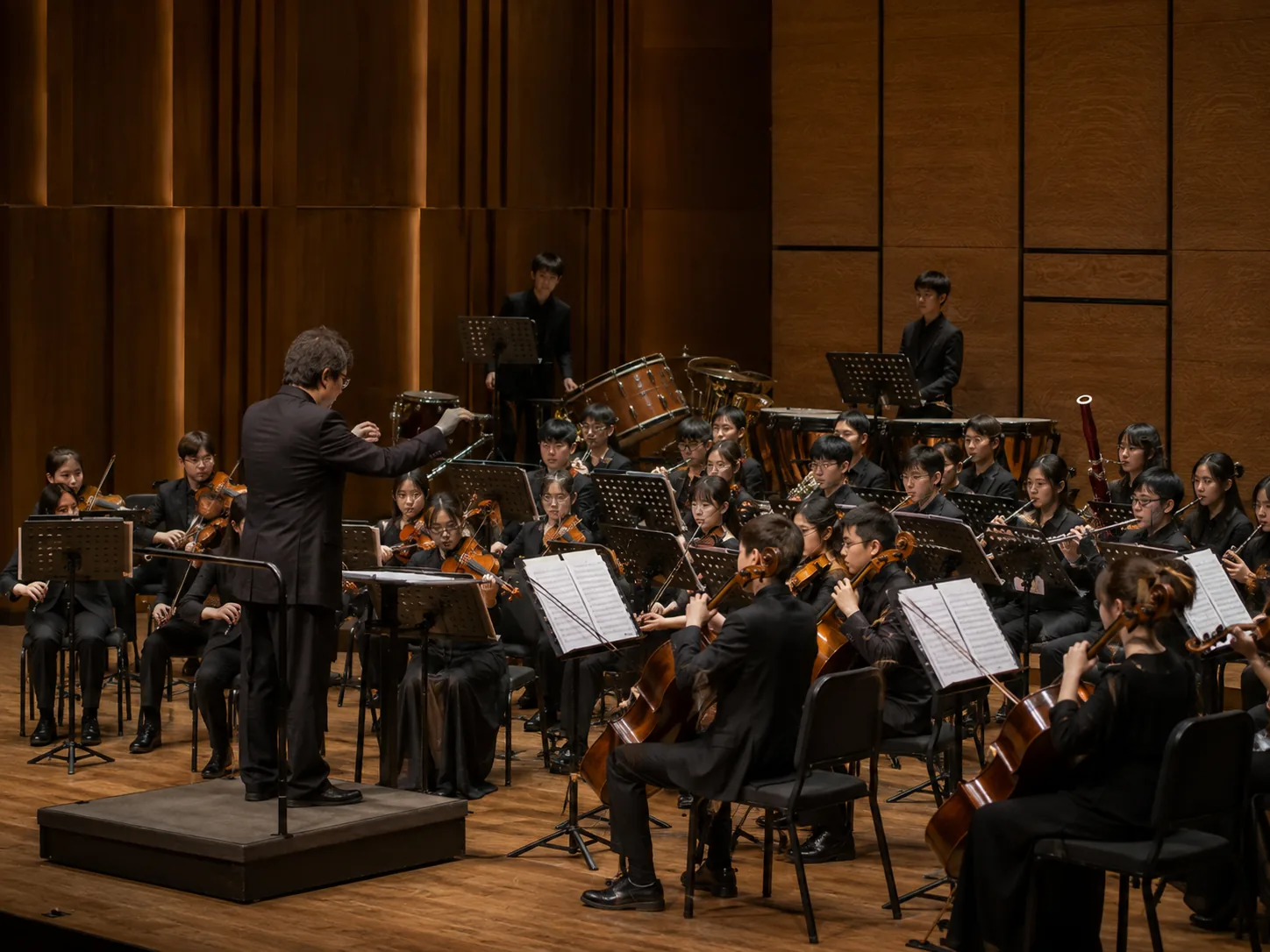 Final rehearsal before the competition
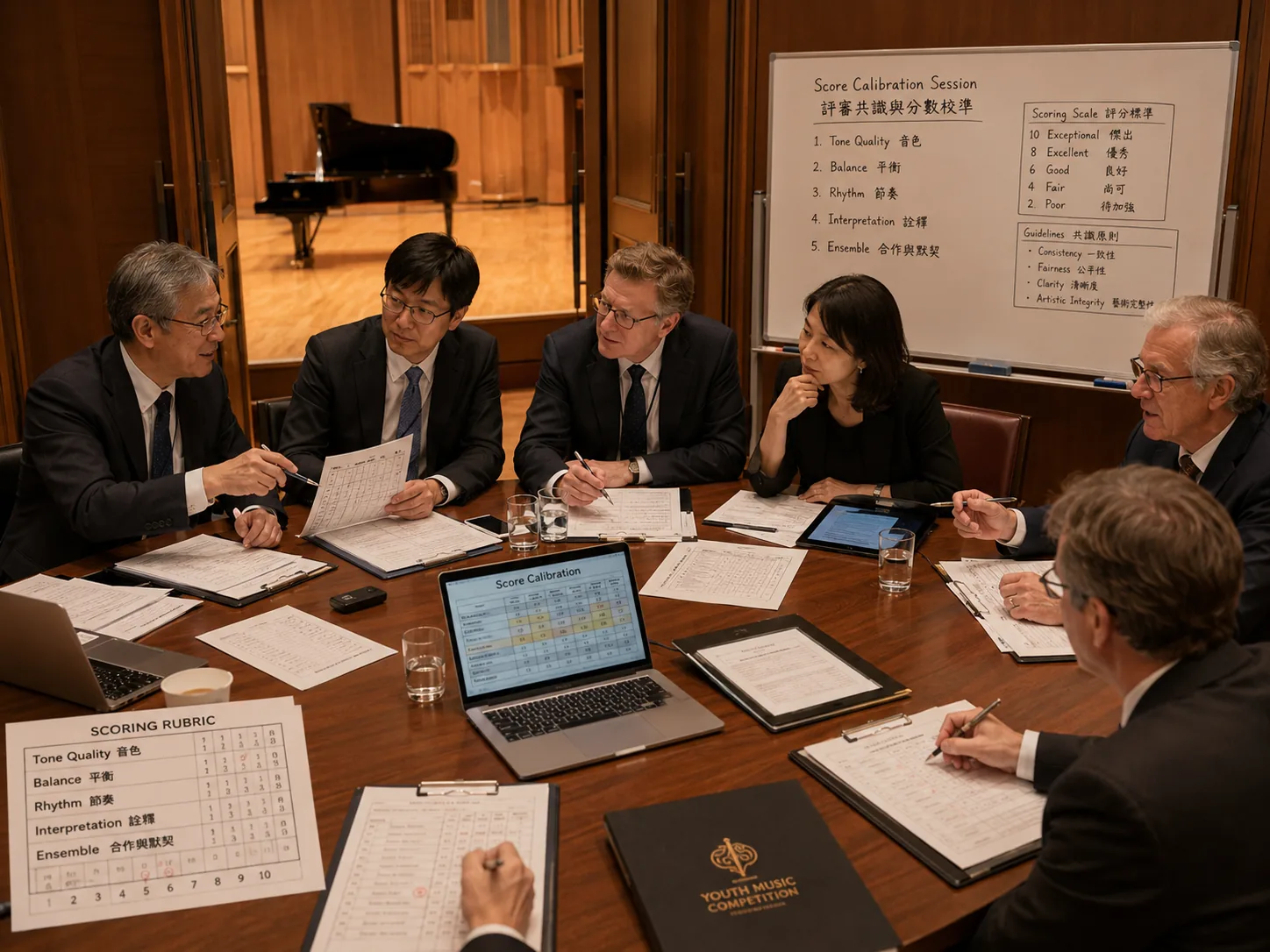 Judges' consensus and score calibration
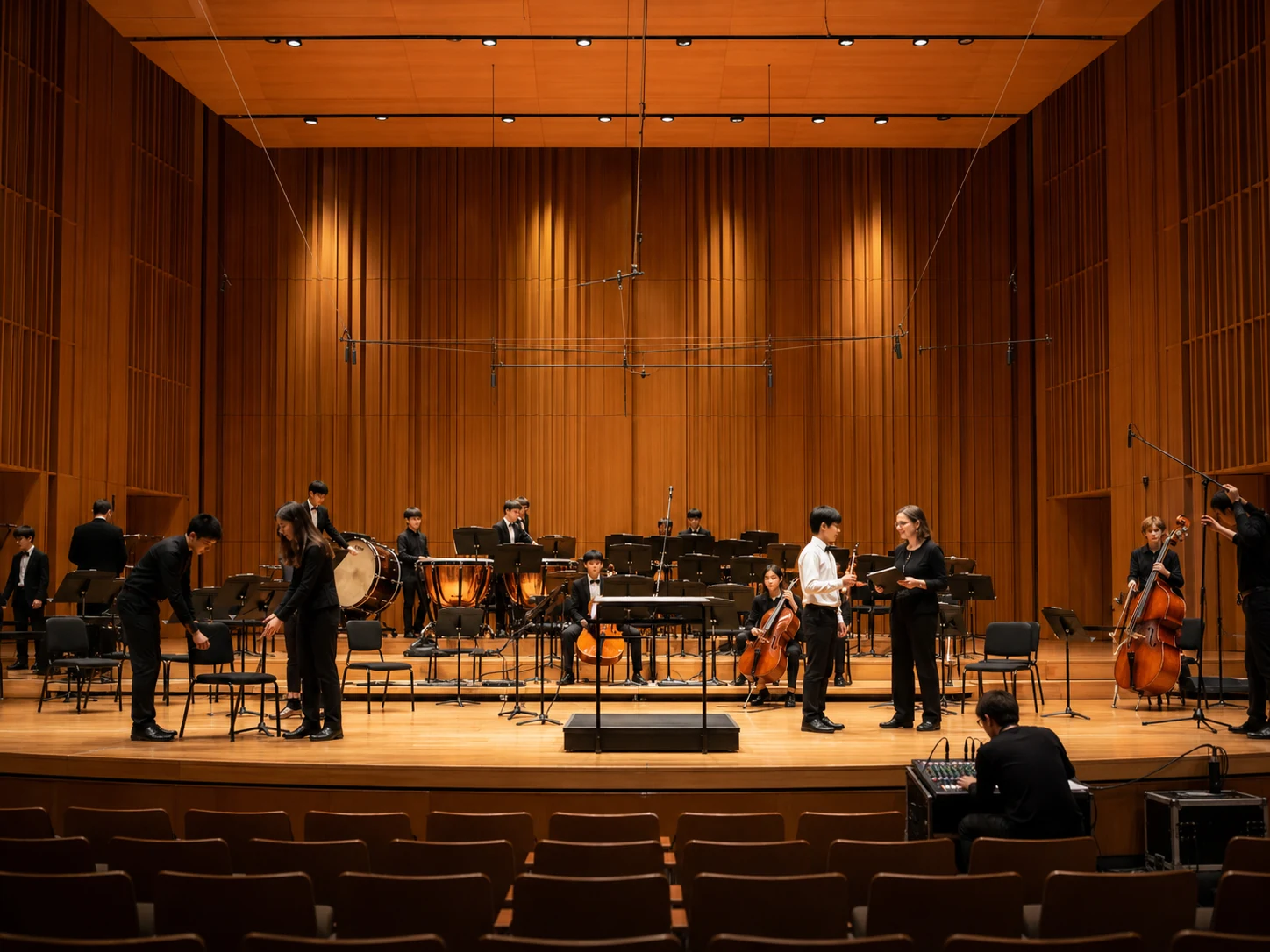 Stage and technical preparation
 Recognition of results and team honors
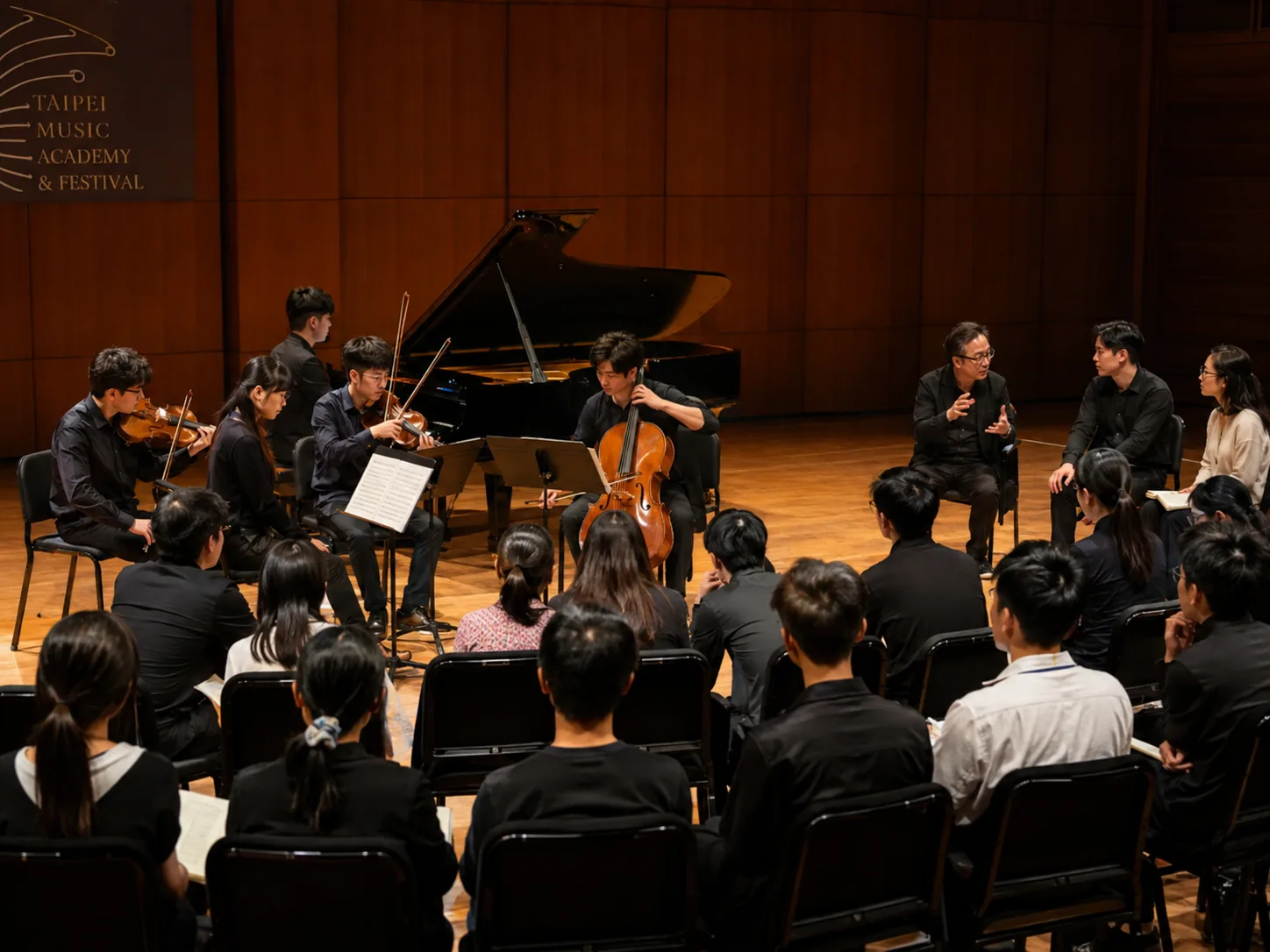 Observation, listening, and exchange
Official rules are subject to the current year's guidelines and organizer announcements.
Please provide the expected location, date, target participants, categories, number of teams, and the scope of support you'd like. We'll help organize the competition system and execution timeline.