
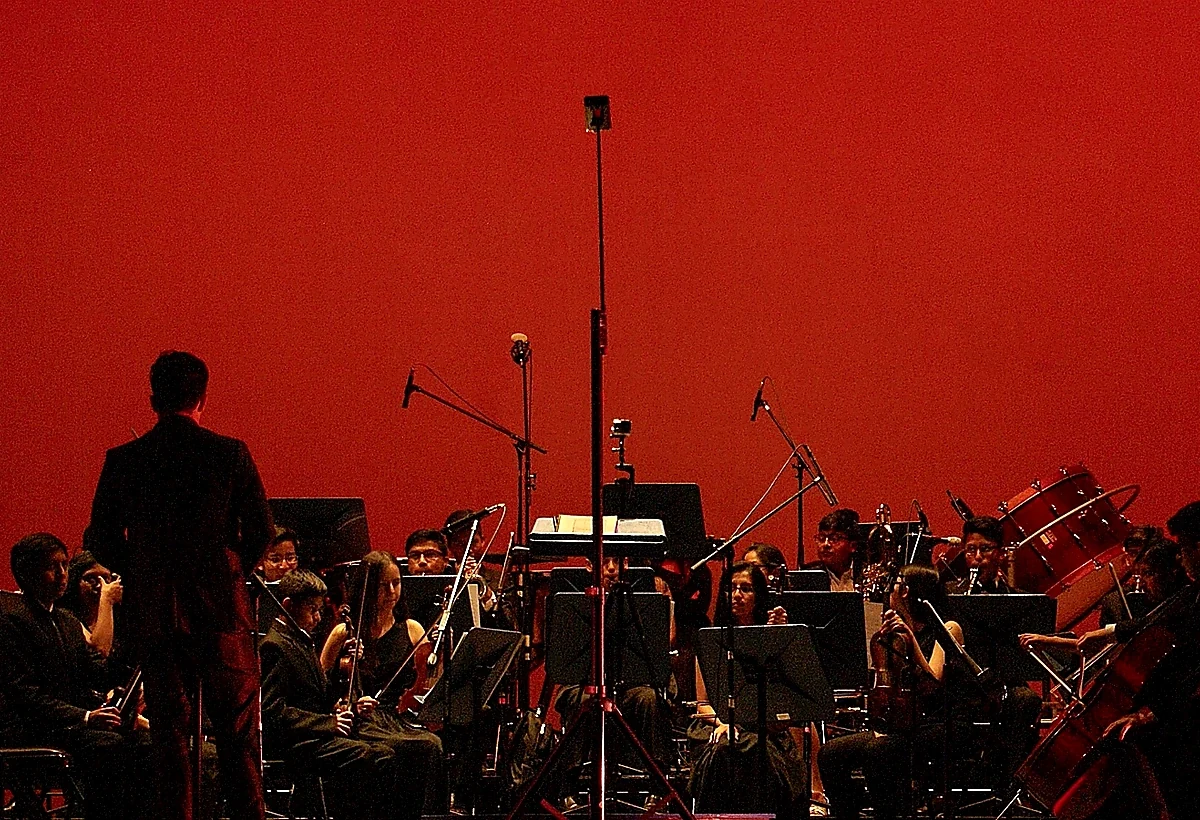
ANNUAL CONCERT
Annual Thematic Showcase Concert
Connecting age-grouped ensembles, featured repertoire, guided listening, and a shared finale around the year's teaching theme.
It's not just about putting students on stage — from educational goals, program design, and rehearsal pacing to stage blocking and documentation, every performance becomes a learning journey that can be seen, understood, and built upon.
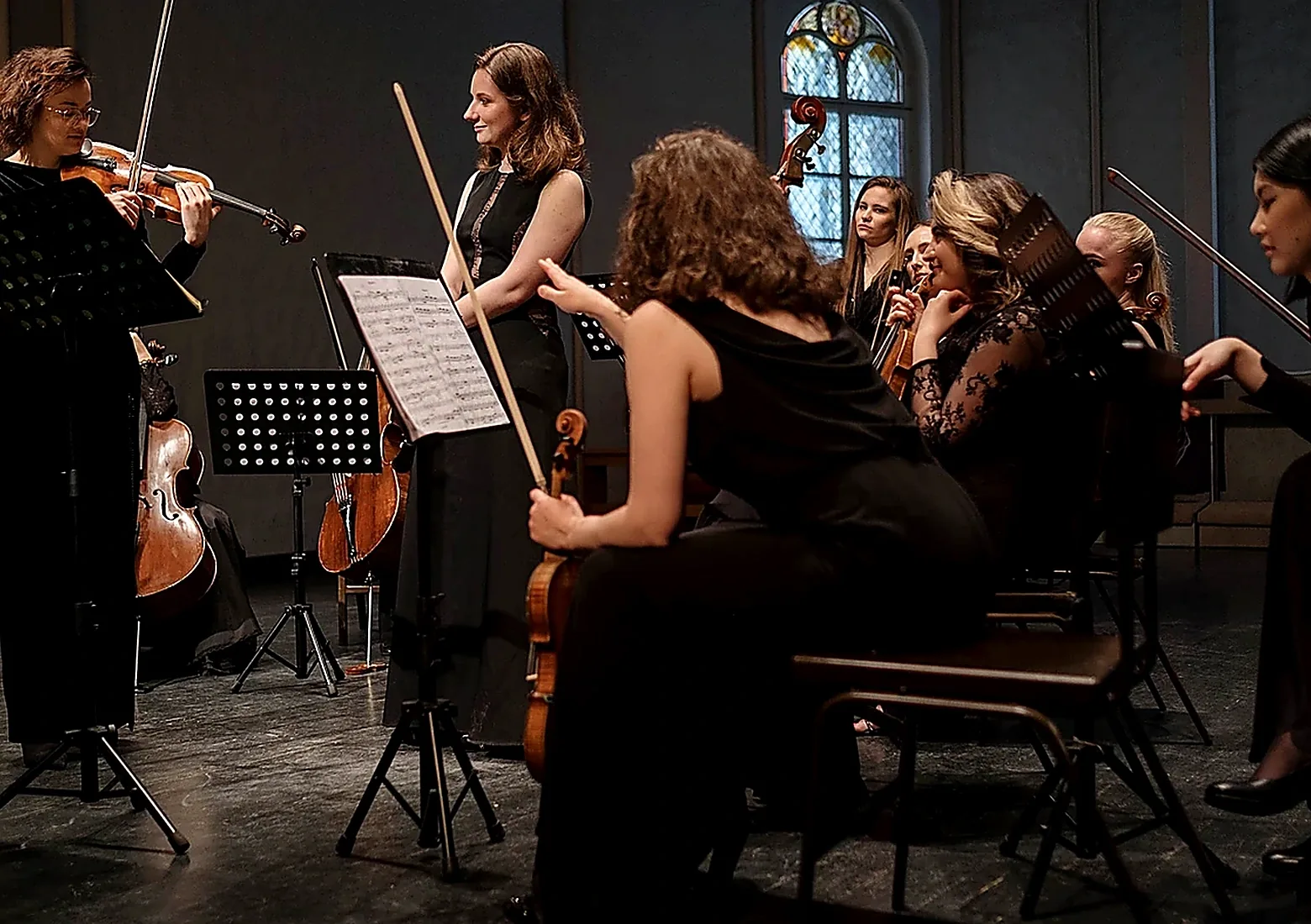
The content of a showcase concert must align with the team's teaching goals and stage of development. From repertoire difficulty, performers' ages, and rehearsal hours to venue acoustics and audience makeup, every choice affects the quality of the stage and the educational outcome.
Not every ensemble needs the same scale of stage. A showcase can be a full annual concert, or a small salon focused on learning outcomes, a cross-team collaboration, or a community-shared program.
Connecting age-grouped ensembles, featured repertoire, guided listening, and a shared finale around the year's teaching theme.
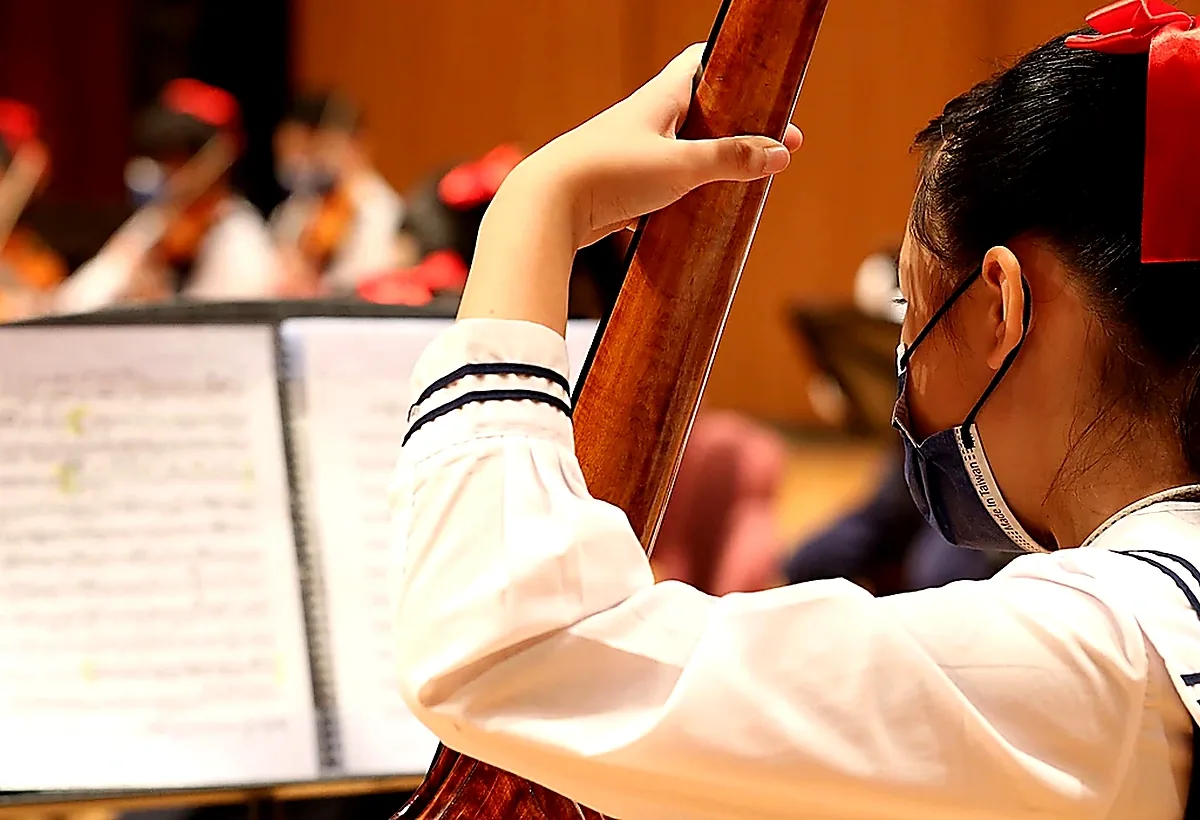
Focusing on class, club, and school-based curriculum outcomes, building students' first formal stage experience.
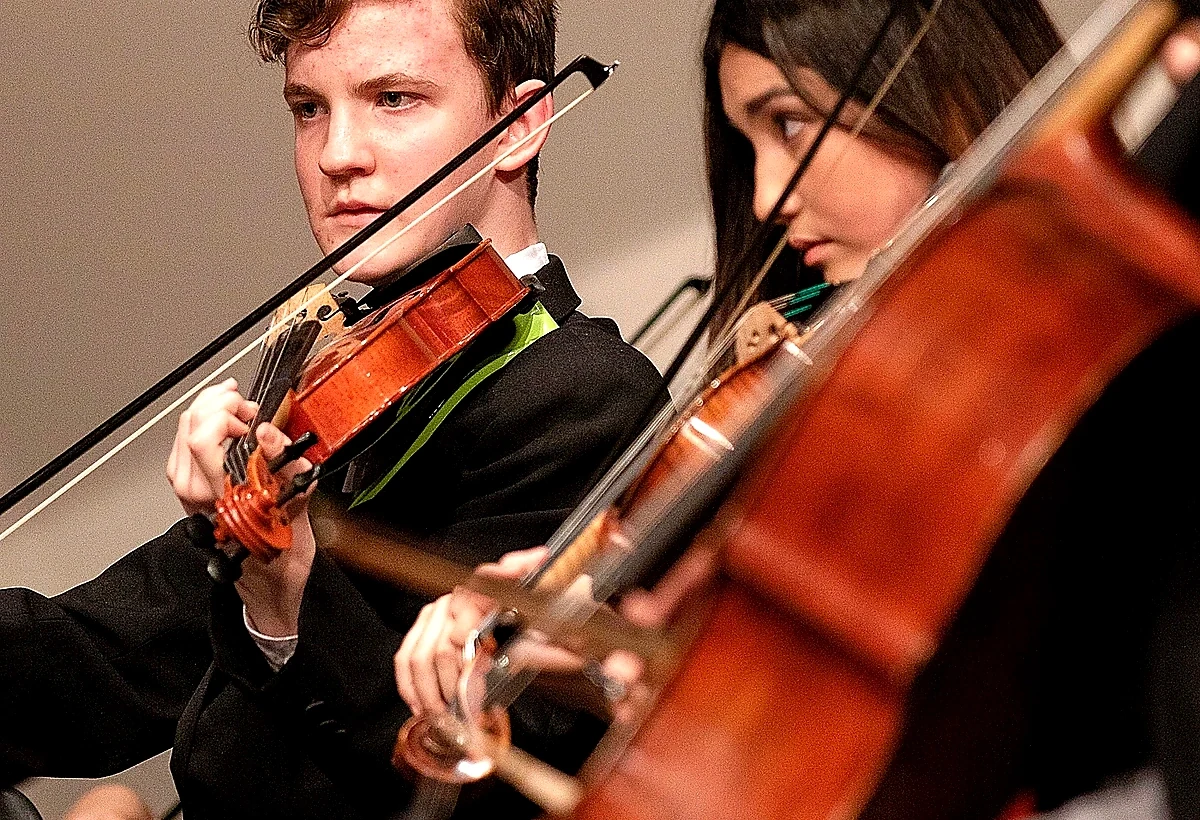
Deepening musical understanding through small ensembles, close listening, and work explanations.
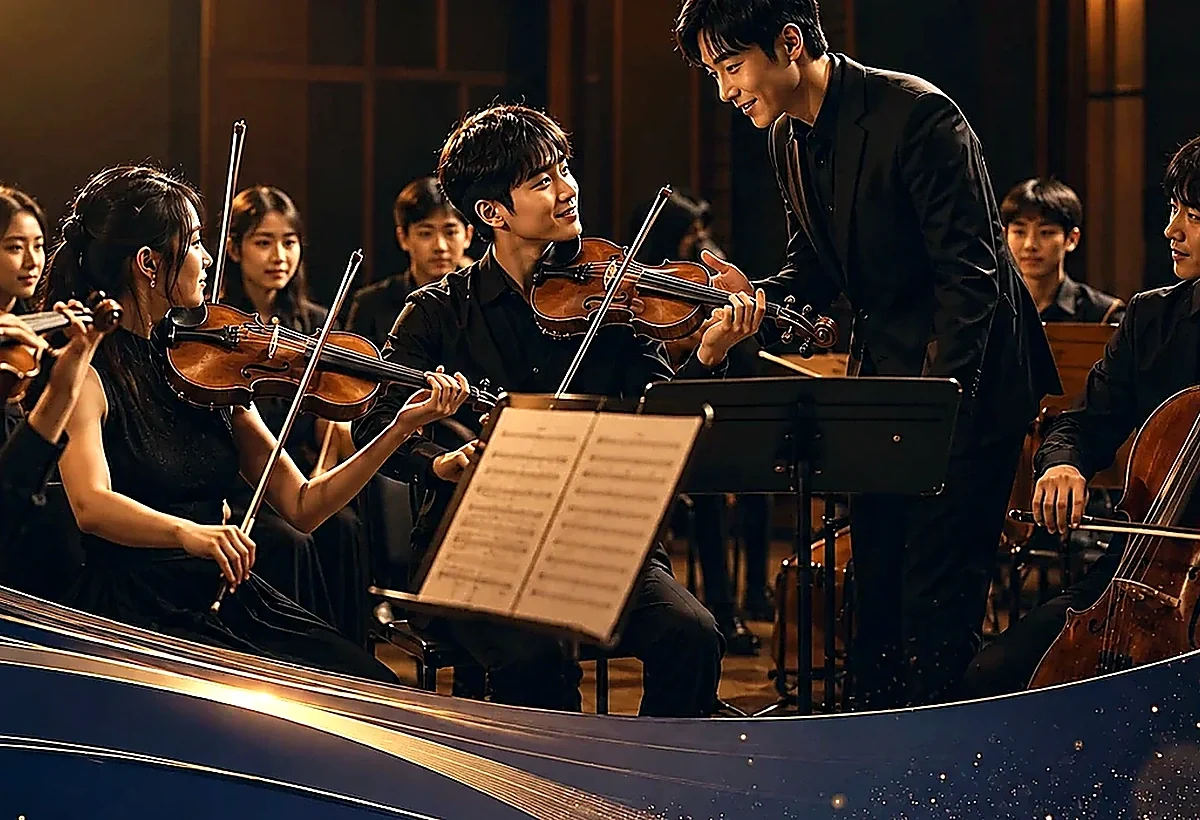
Completing a multi-team collaborative stage through shared repertoire and sectional rehearsals.
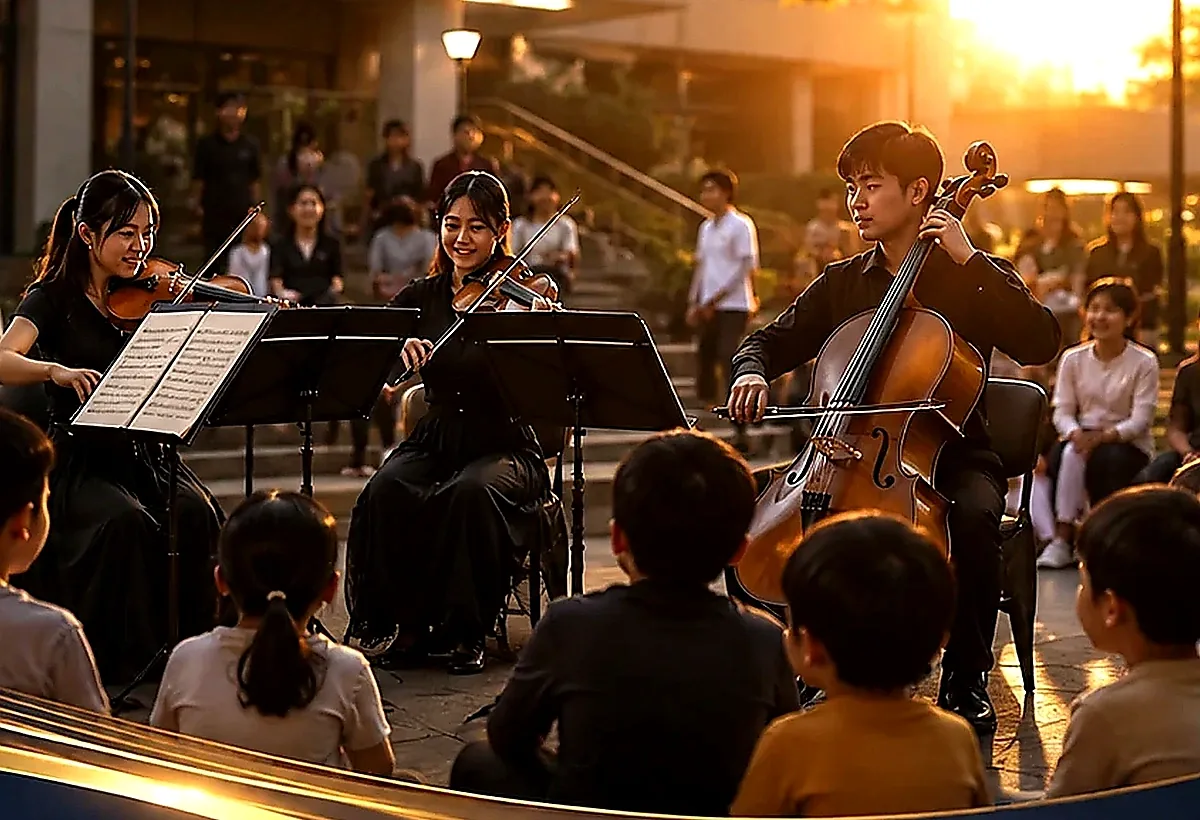
Bringing music into cultural venues, communities, and public spaces to broaden participation.
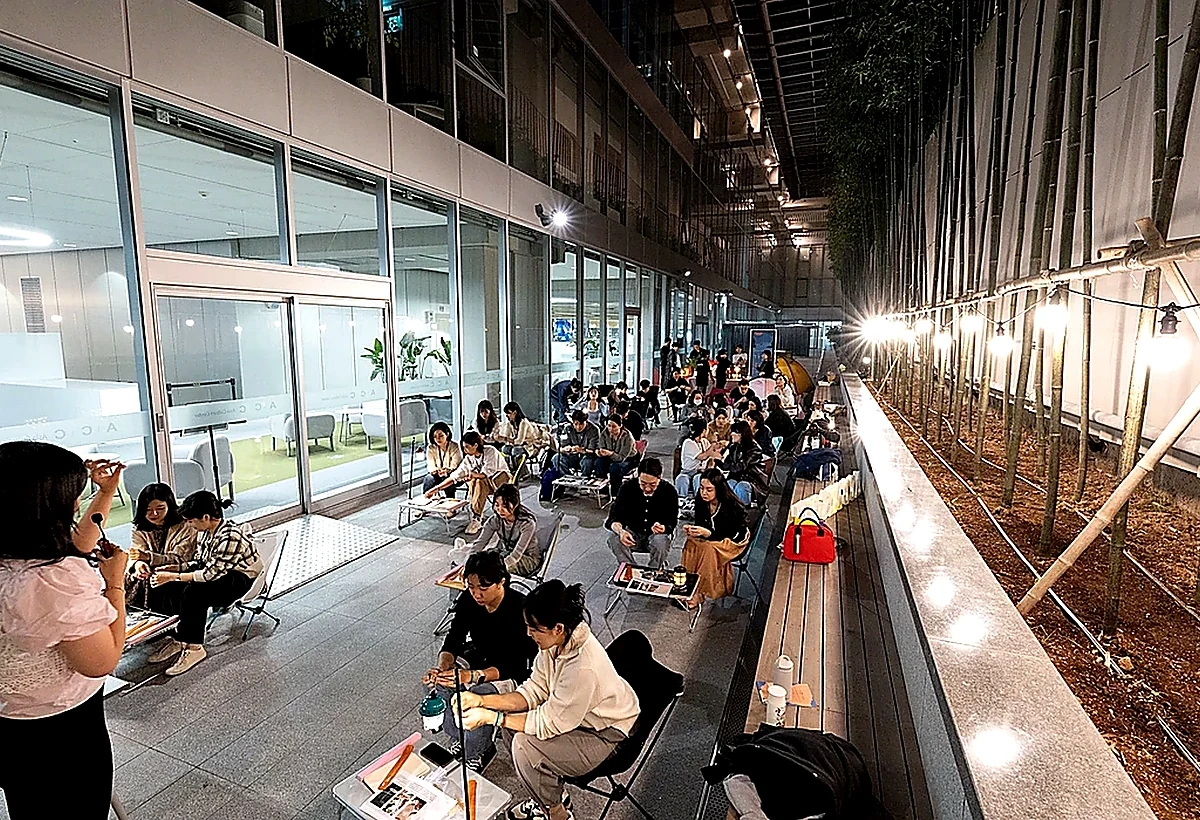
Combining professional demonstration, student performance, and post-show critique so outcomes and learning happen together.
Different ensemble sizes affect balance between sections, sightlines, scene-change speed, and microphone and stand placement. The diagram tool below uses an "arc seating layout facing the conductor" to quickly illustrate the basic layout logic for common performance scales.
Switch between scenarios to view stage headcount, row count, and recommended space.
The quality of a showcase concert comes from early decisions and cross-team collaboration. Each stage should have a clear owner, completion criteria, and deliverables.
Determine whether the performance serves annual showcase, recruitment, inter-school exchange, charity outreach, or professional training, and define the primary audience.
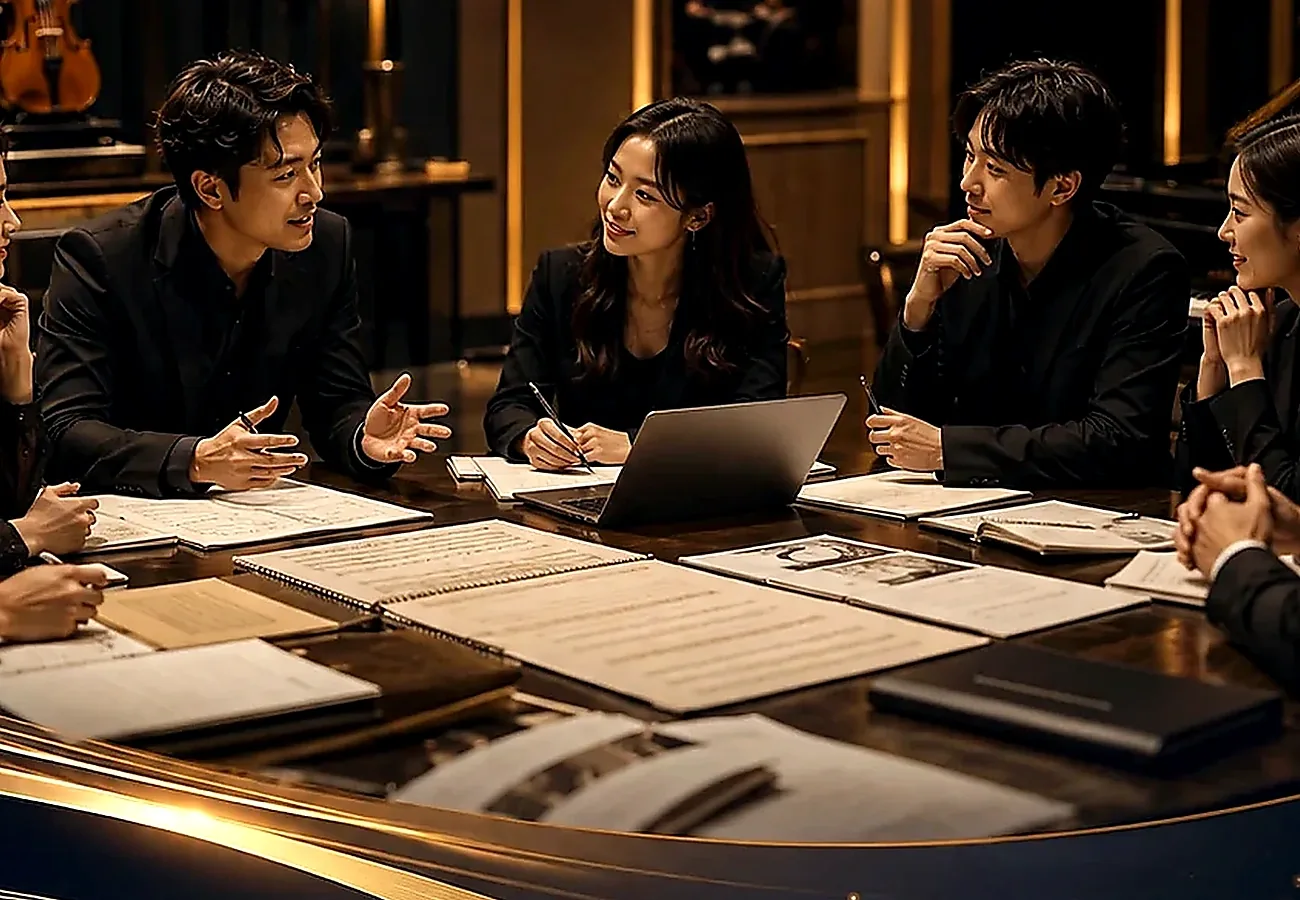
Plan the opening, core pieces, transitions, narration, ensemble works, and finale so the program has a clear rhythm and educational context.
Design sectional, ensemble, technical, and dress rehearsal stages so conductors, teachers, and students clearly understand each stage's goals.
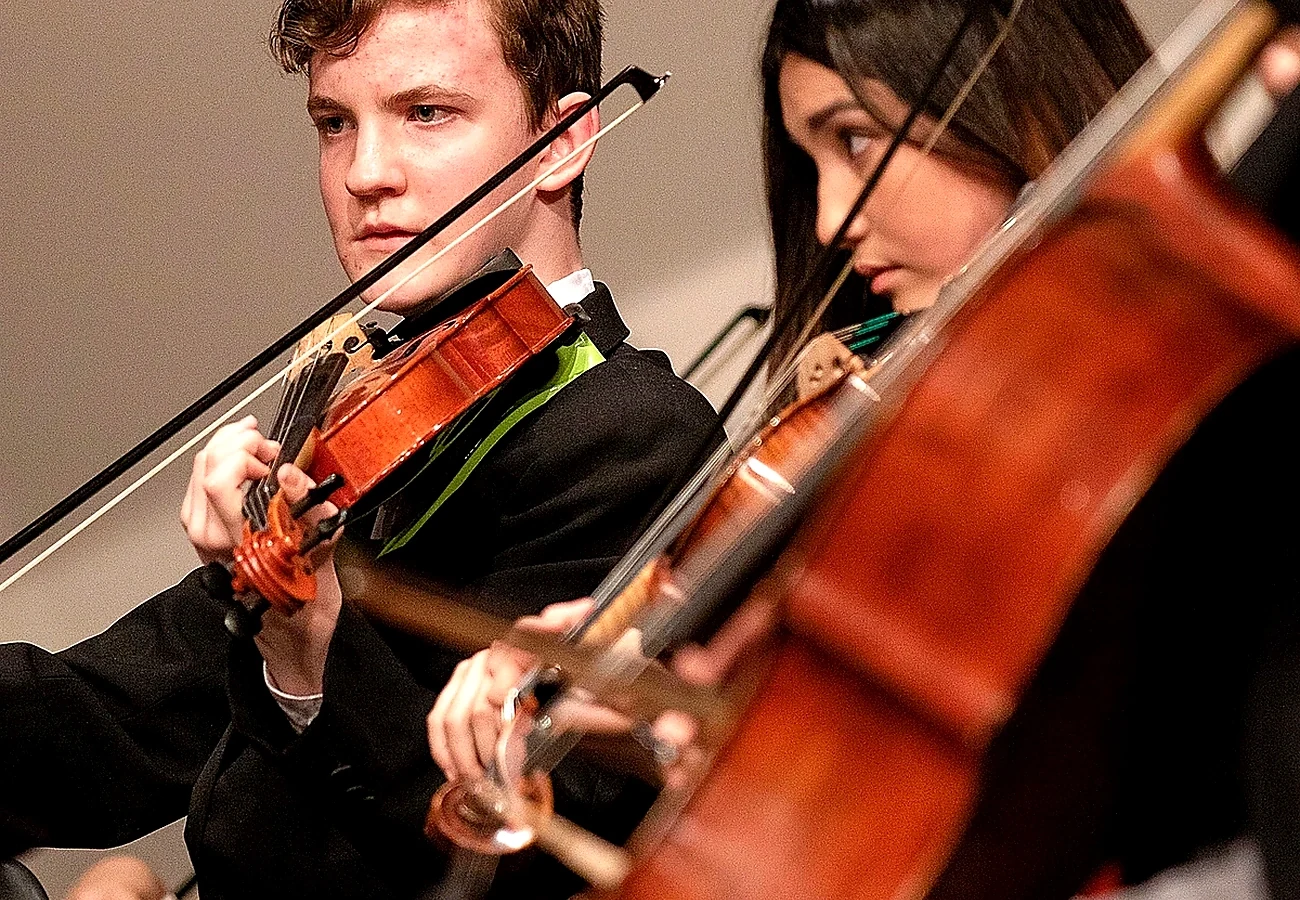
Includes seating charts, scene-change schedules, microphone lists, instrument logistics, green rooms, transportation, and emergency response.
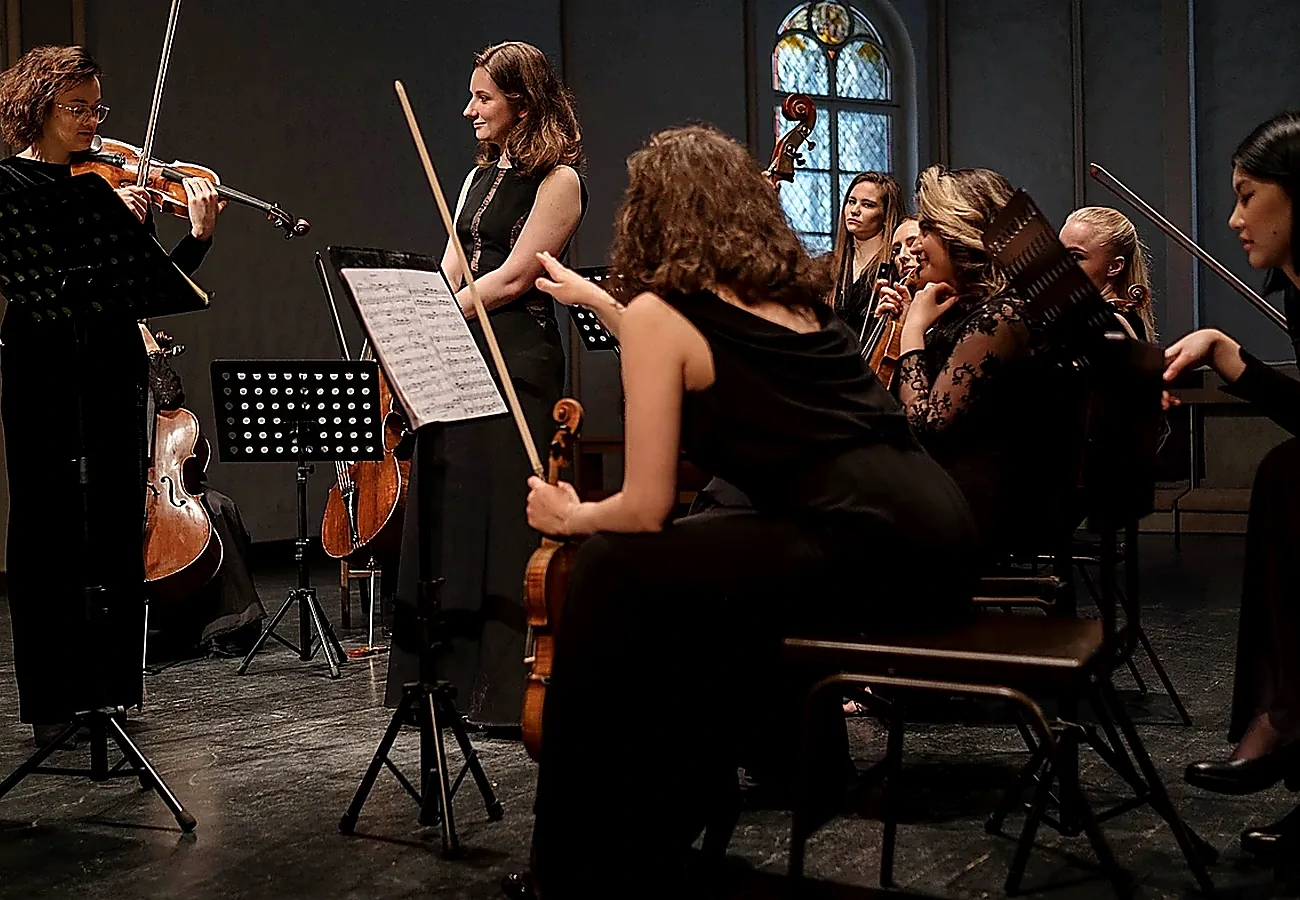
Carried out jointly by front-of-house, backstage, stage manager, hosts, photographers, and volunteers to ensure consistency in performance flow and audience service.
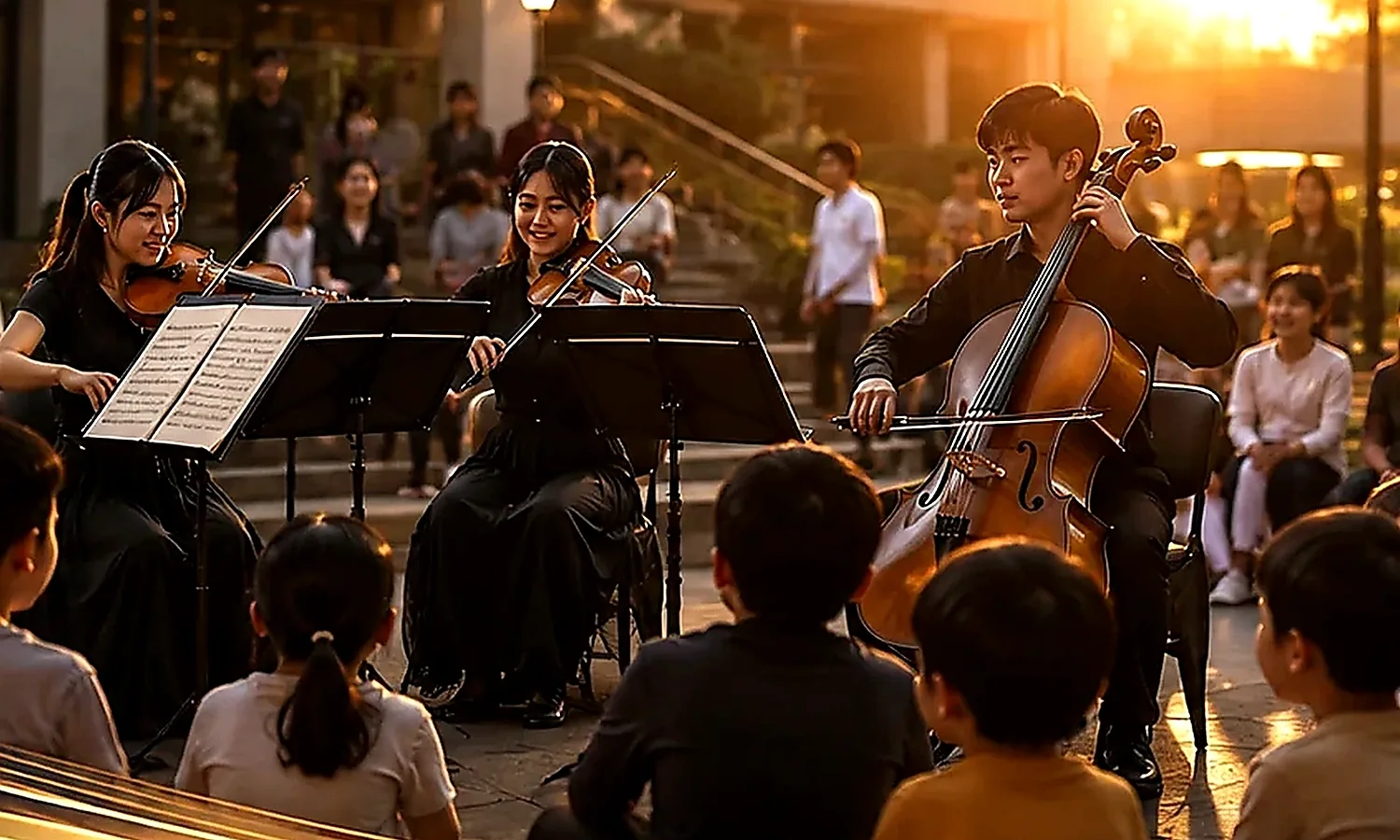
Compile photos, video/audio, programs, audience feedback, learning reflections, and data to build knowledge assets for future events.
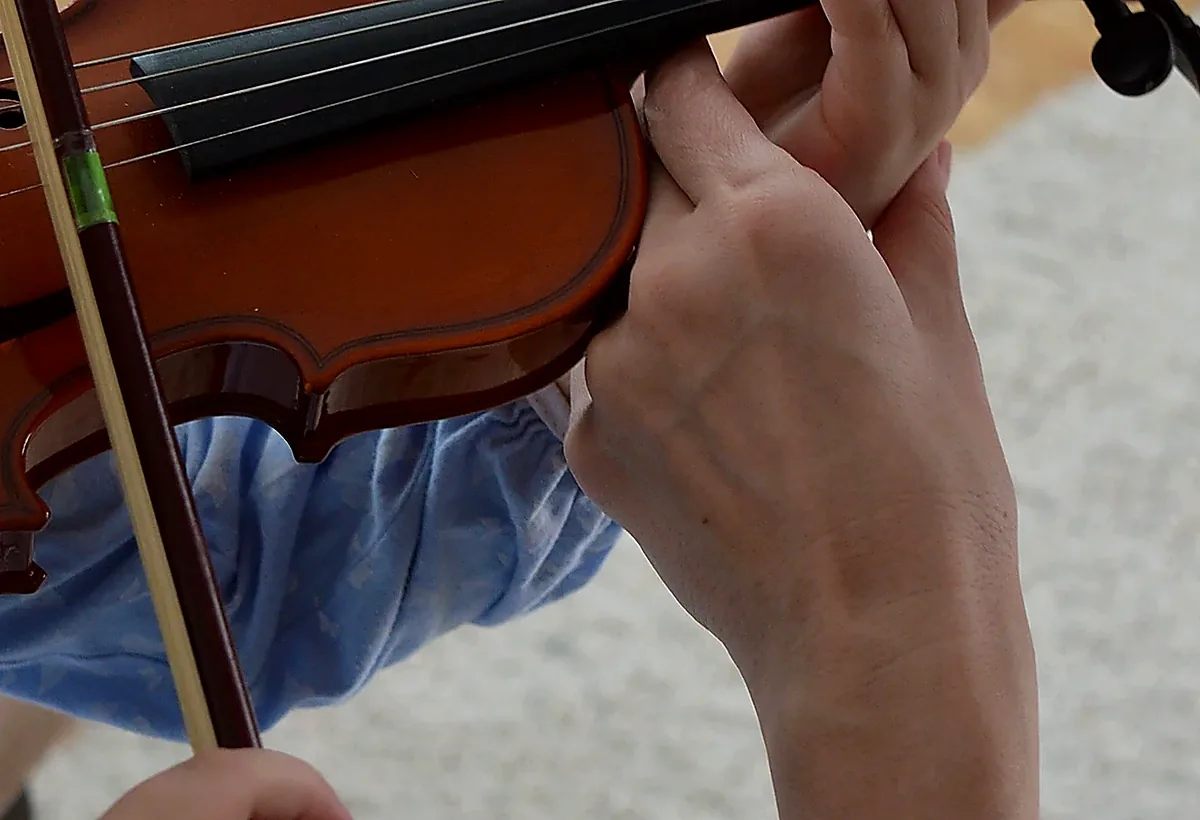
This page isn't just pretty photos—it clearly outlines the practical scope the Foundation can help coordinate in a showcase concert.
Turning educational goals into performance content with rhythm and narrative.
Managing scores, parts, rehearsal schedules, and performance versions.
Planning seating, music stands, scene changes, and backstage flow according to ensemble size.
Configuring technical setups for venue acoustics and recording needs.
Setting up entry, seating, guidance, programs, and accessibility services.
Planning camera positions, permissions, livestreaming, and post-show media delivery.
Integrating key visuals, programs, social content, and media materials.
Turning performance outcomes into readable, reviewable records.
The following are template scenarios illustrating the case structure this page can hold; before launch, these should be replaced with real projects confirmed by the Foundation.
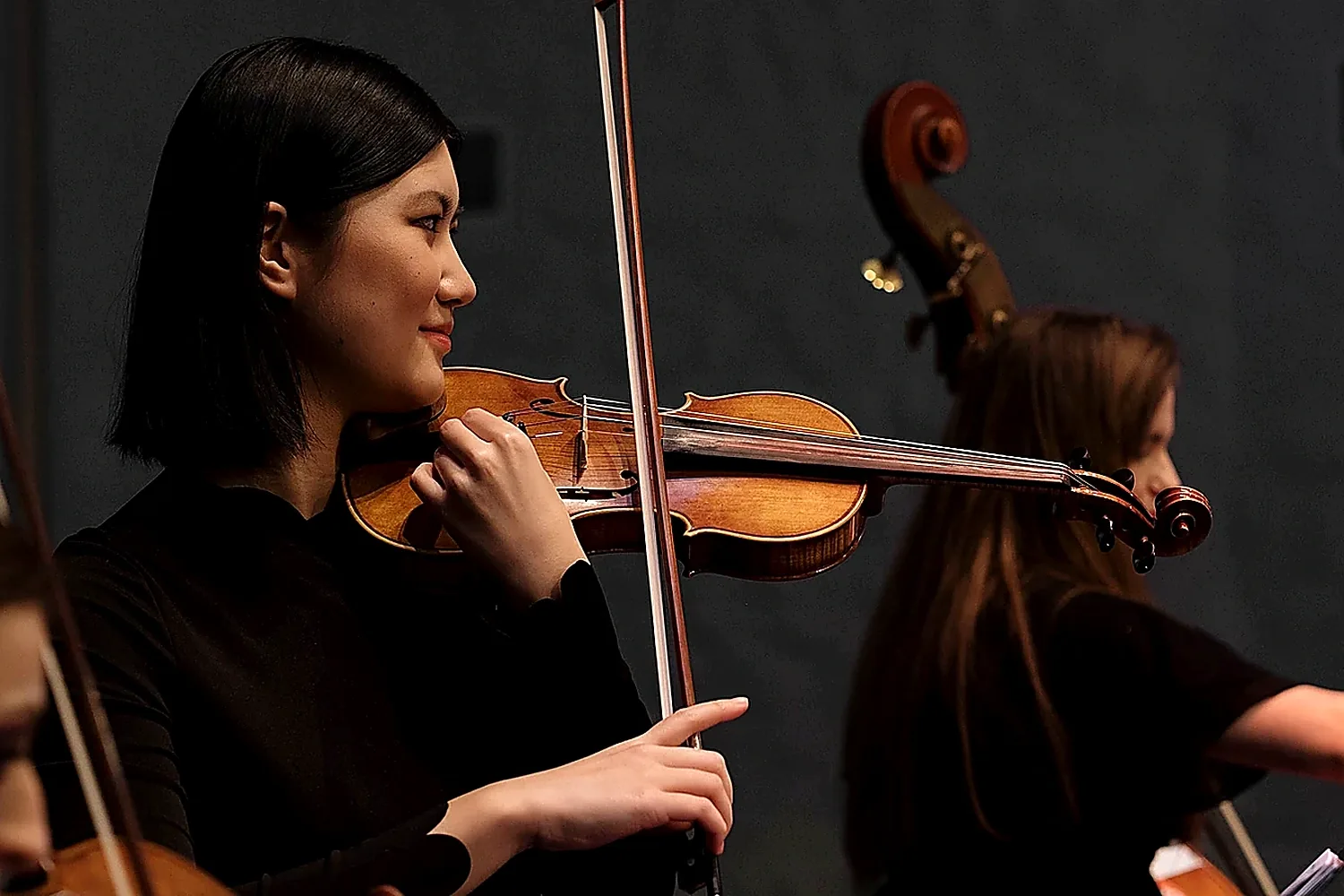
Using semester competency benchmarks, age-appropriate repertoire, and a shared finale, a year's rehearsal work is transformed into a performance narrative audiences can follow.
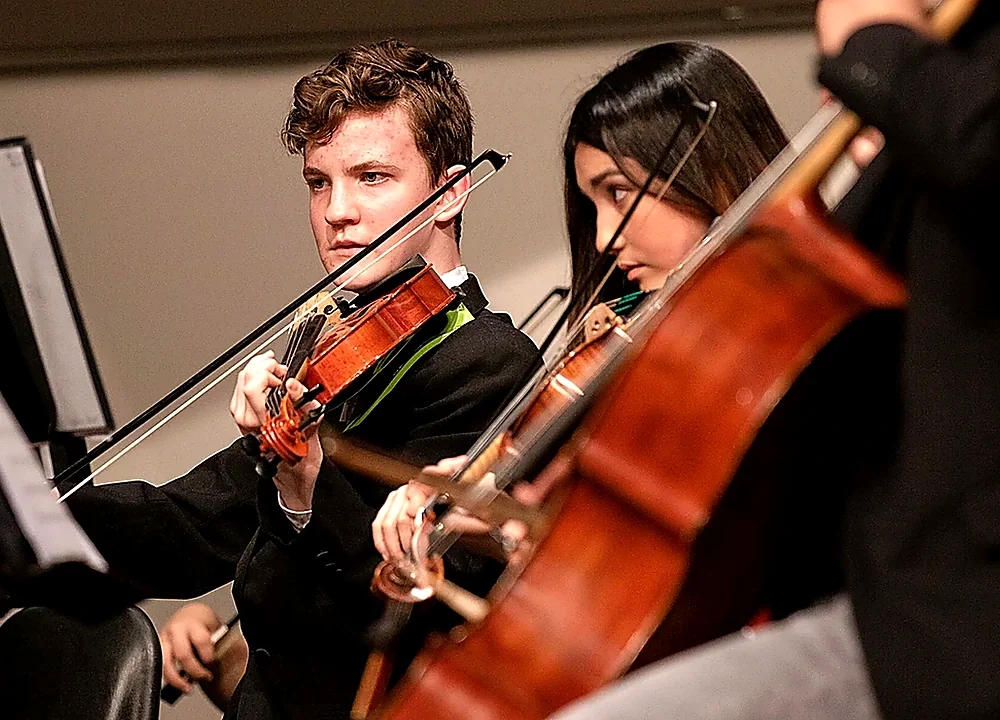
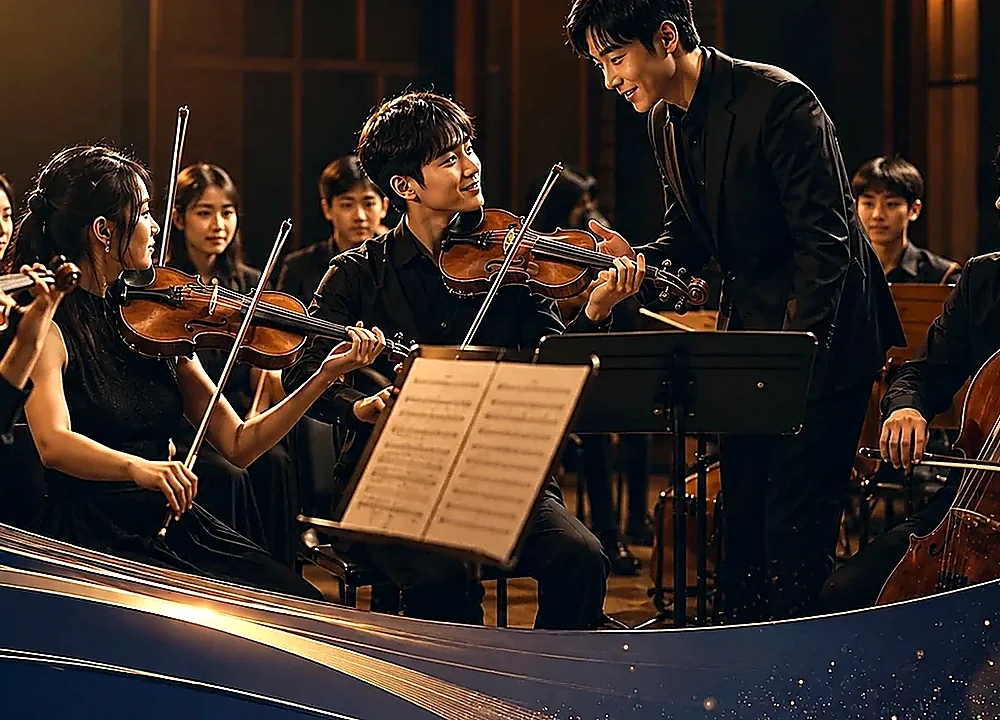
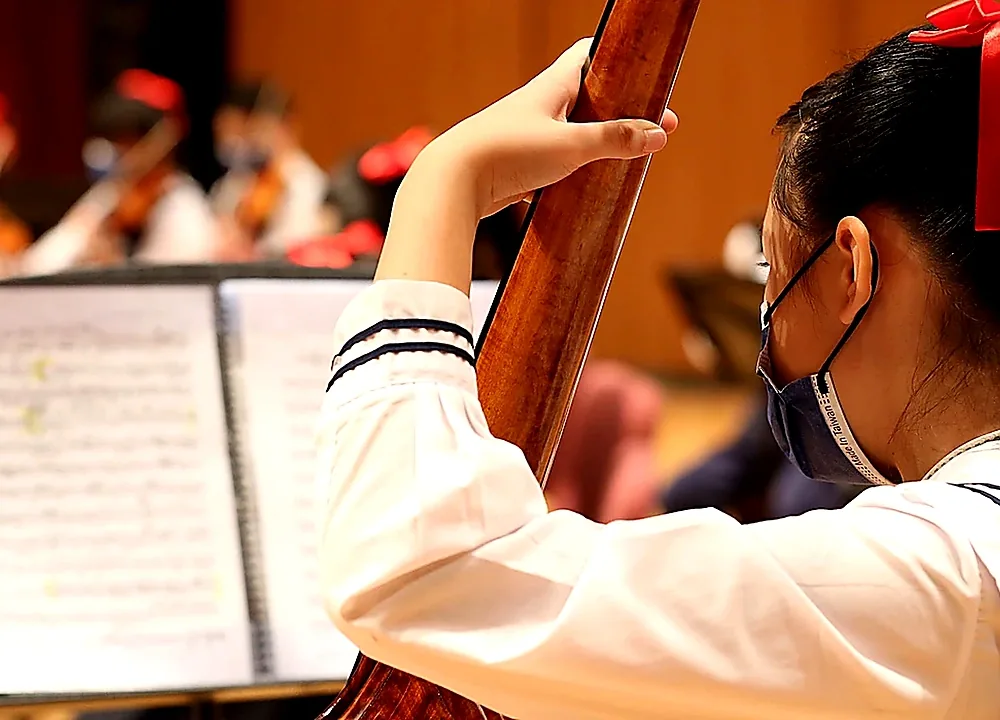
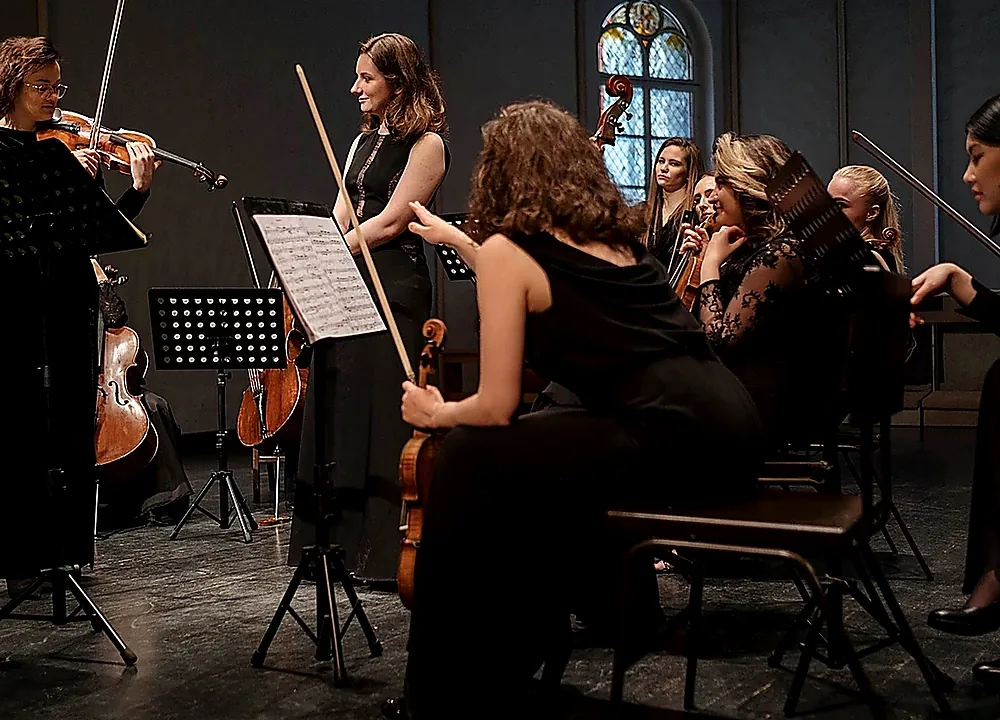
Student performers, participating parents, school achievements, partners, and general audiences all bring different expectations to an event. Clear information and thoughtful on-site design help every participant better understand the learning value behind the stage.
Preserving event context, student journeys, and collaborative value through diverse formats — so every stage becomes the foundation for the next project.
Preserving full performances, highlight edits, short clips, and key moments.
Compiling repertoire background, learning goals, performer info, and curatorial narratives.
Recording stage feedback, guidance given, student reflections, and growth in ability.
Compiling participation numbers, partner organizations, media outcomes, and follow-up recommendations.
Choose the entry point that fits your role — from showcases and joint concerts to professional collaboration and charitable support — to build a clear partnership.
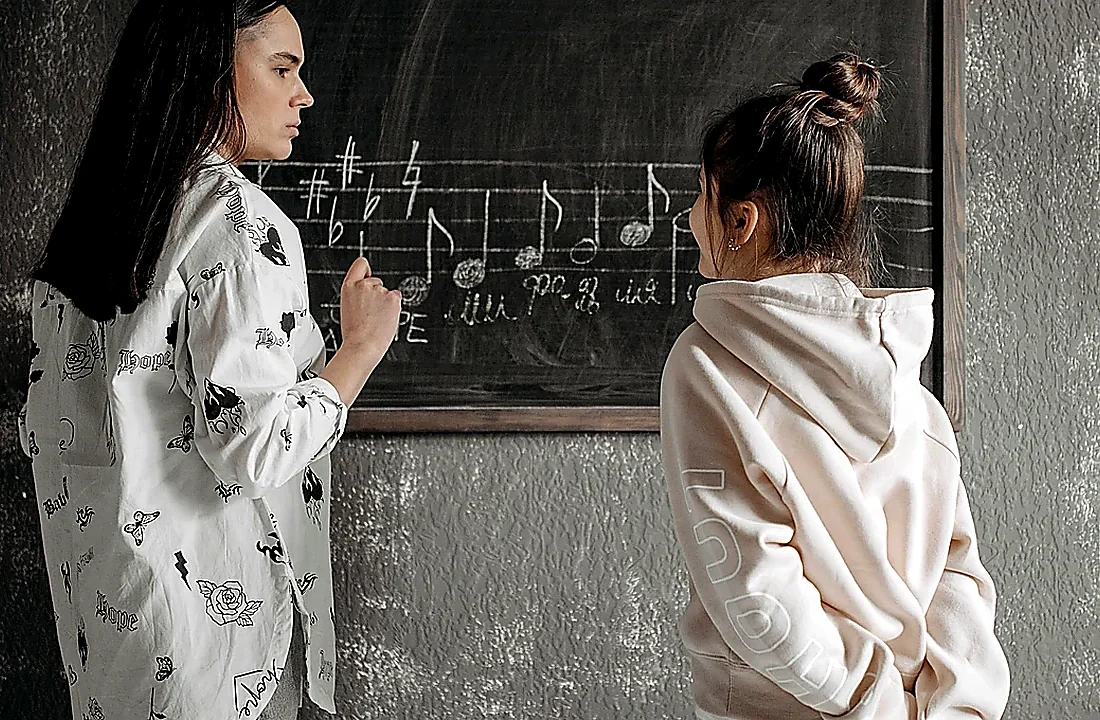
Plan campus showcases, annual concerts, and inter-school exchanges.
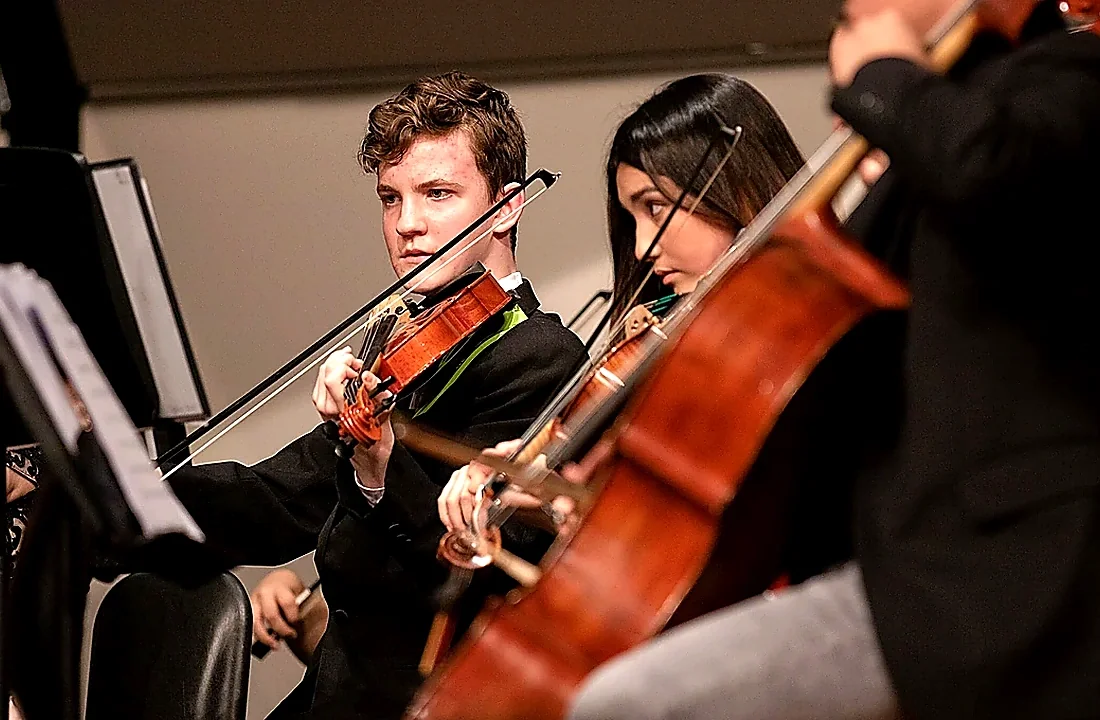
Join joint performances, themed programs, and city tour collaborations.
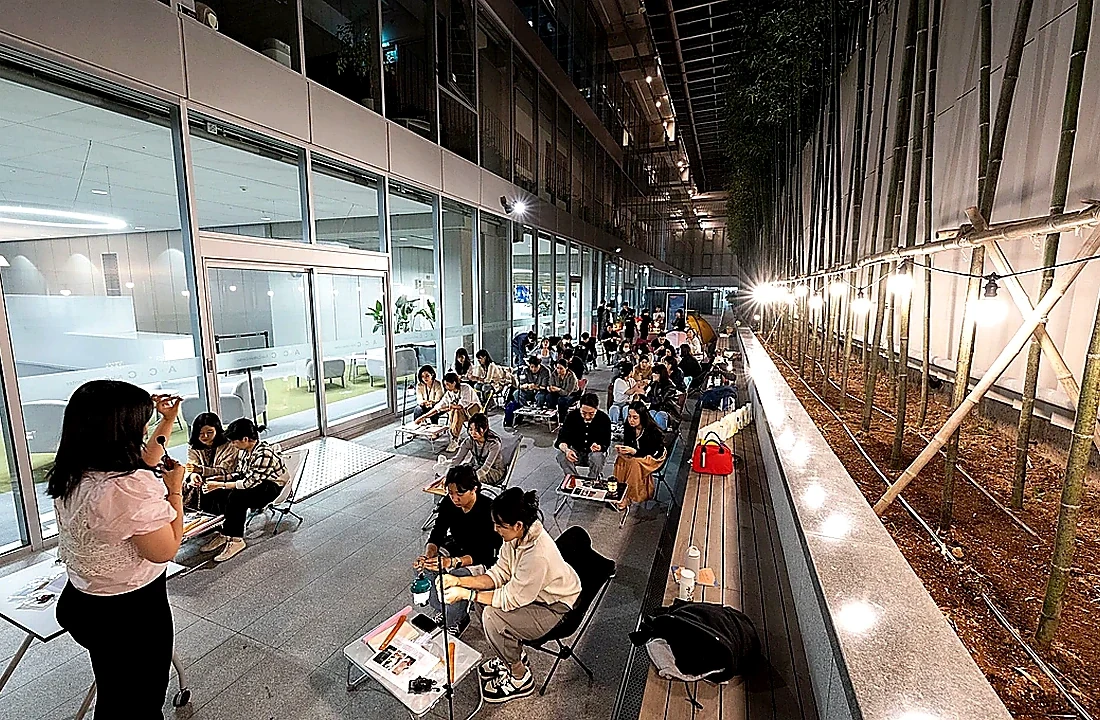
Provide repertoire planning, rehearsal coaching, pre-concert talks, and demonstrations.
Take part in audience services, video documentation, charity, and corporate partnerships.
Below are the most common planning questions for showcase concerts; actual details still depend on venue, ensemble size, timing, and budget assessment.