Connecting the World through Music, Inspiring the Future through Education
News
TEACHER TRAINING & DEVELOPMENT

Teacher Training
and Development

OBSERVE · PRACTICE · REFLECT · TRANSFER

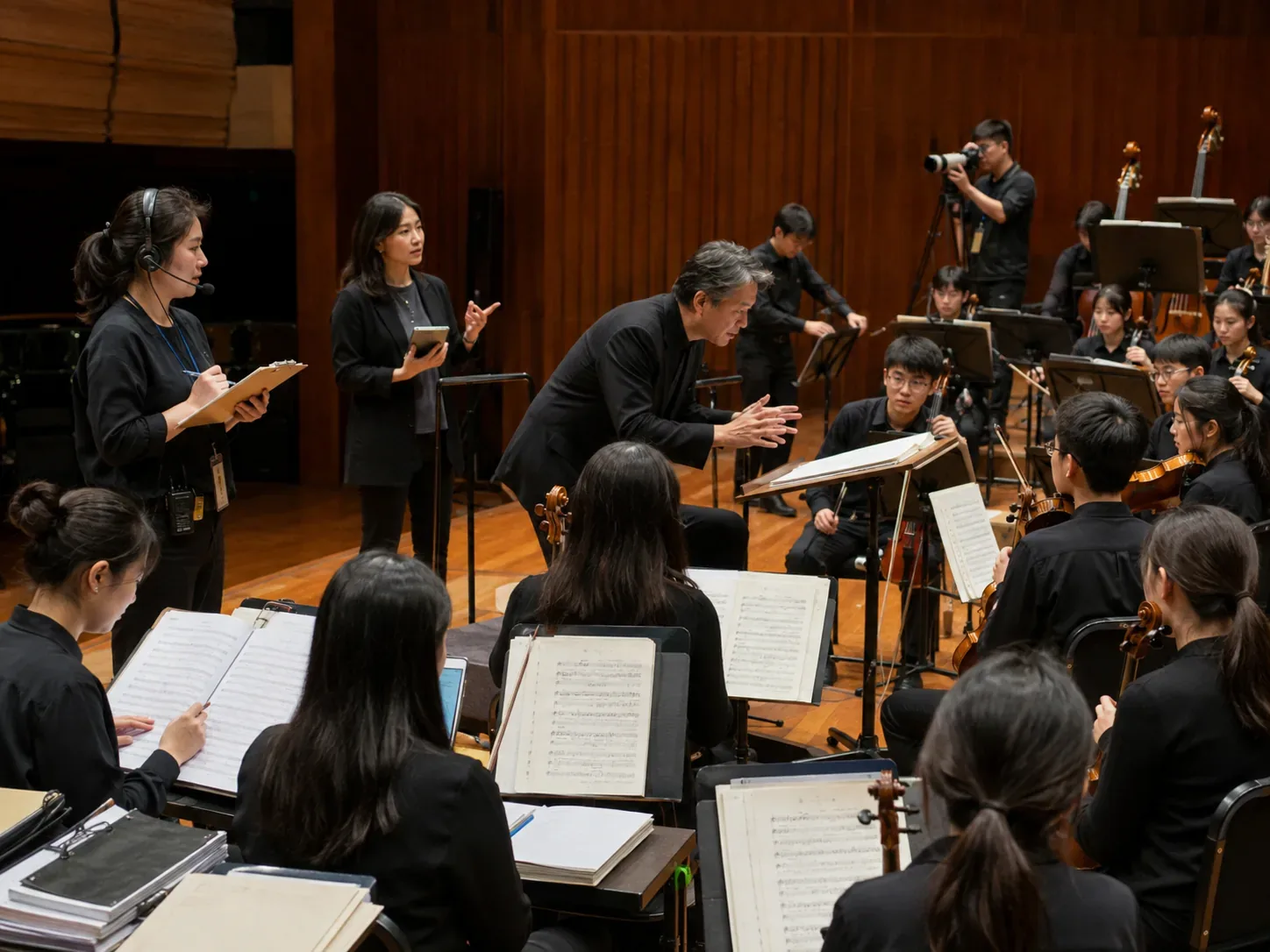
Centered on real classrooms and orchestras across Taiwan, this program guides teachers from "identifying problems" to "designing rehearsals," turning master demonstrations, score analysis, sectional teaching, and feedback language into a teaching system they can bring back to school and use continuously.
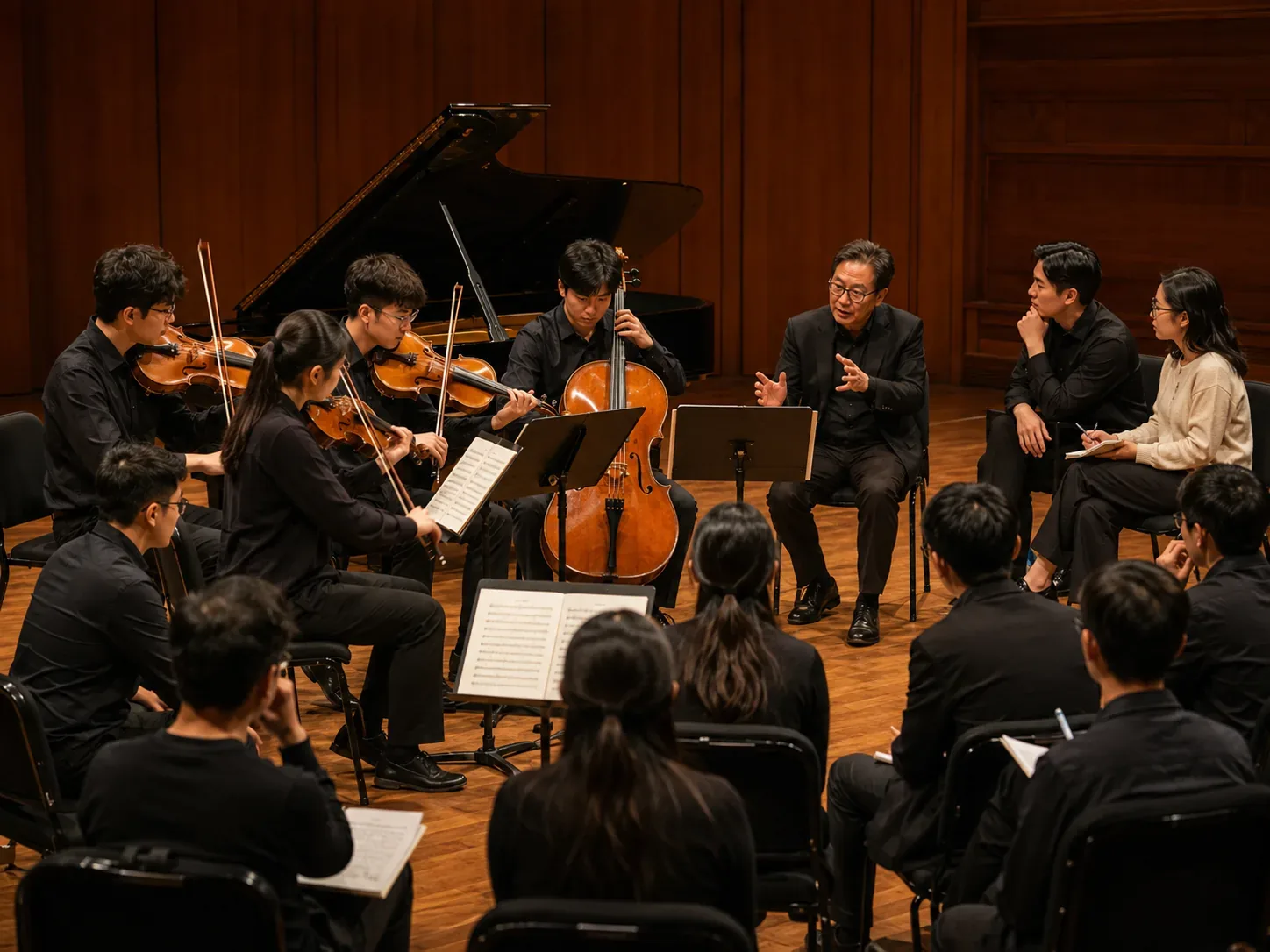
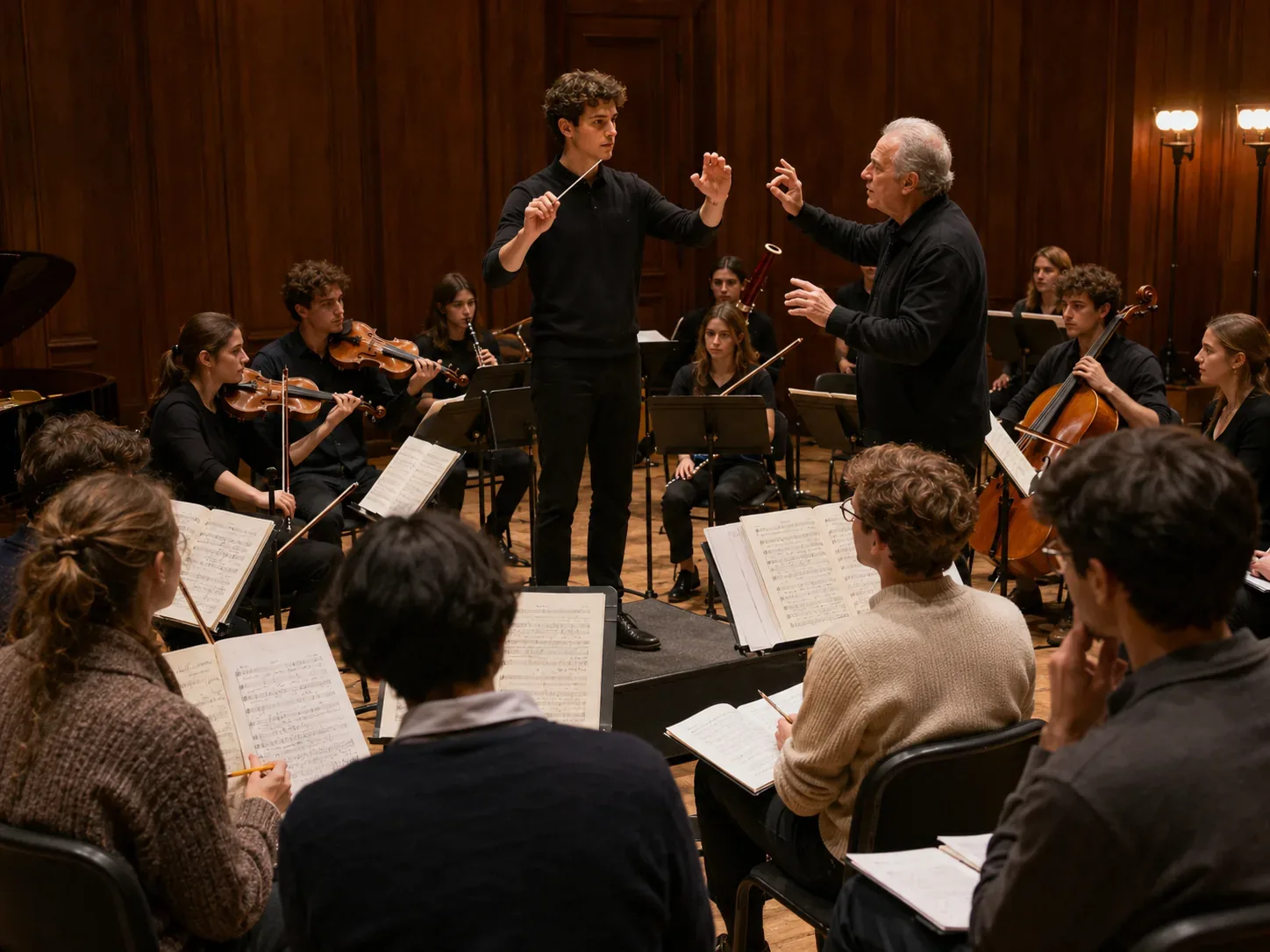
Teachers observe a master coaching a youth orchestra in the concert hall
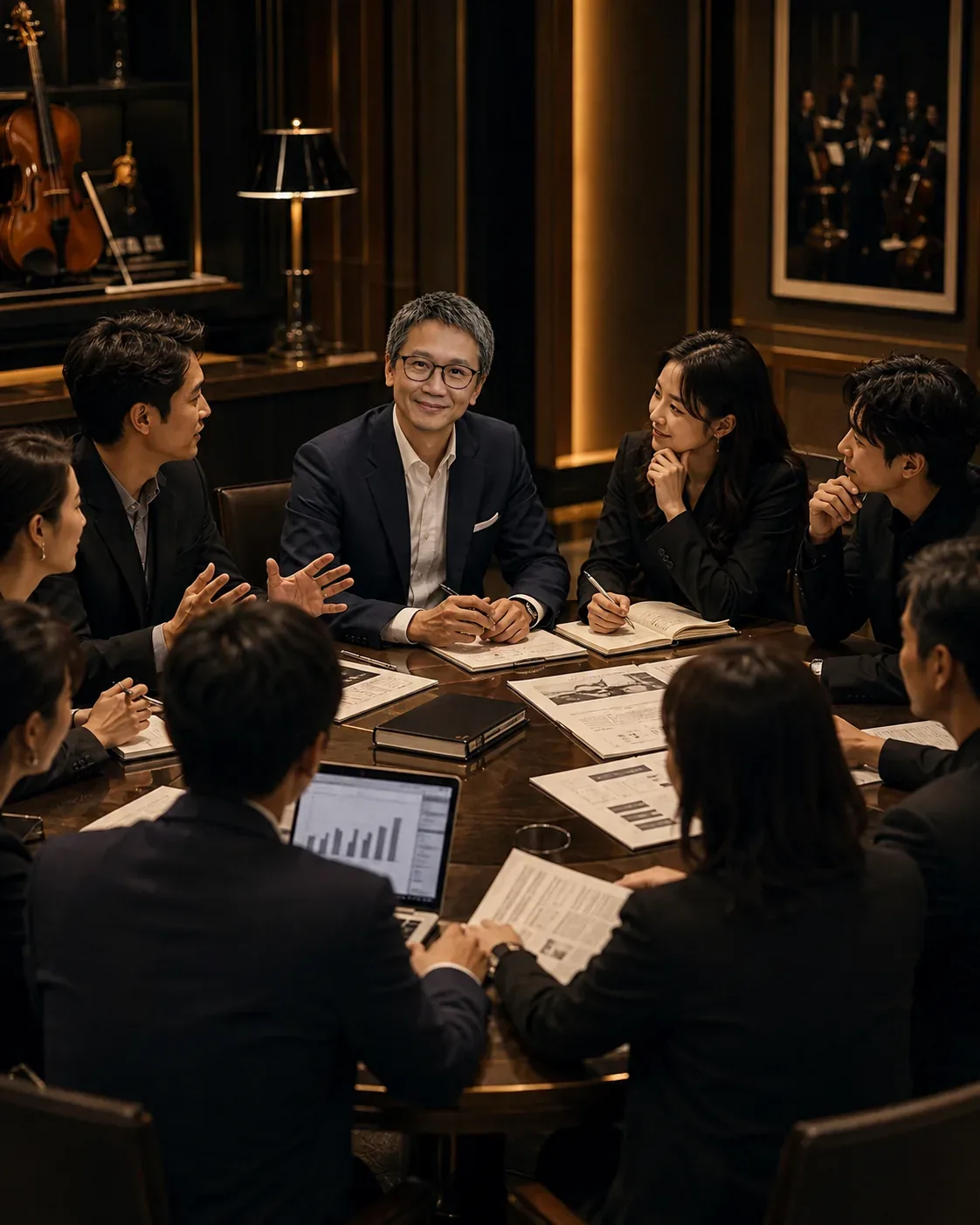
Teacher teams work together to organize curricula and rehearsal plans
FROM THE STAGE BACK TO SCHOOL
WHY TEACHER TRAINING MATTERS

Training isn't about sitting through a lecture — it's about building teaching decisions that can be replicated

Truly effective teacher training must let teachers see the connections between sound outcomes, root causes, interventions, and re-verification. The curriculum therefore combines demonstration orchestras, scores, hands-on practice, peer dialogue, and follow-up tasks, so every participant leaves with a clear method.

"Breaking down a master's judgment into observations, language, rehearsal steps, and time allocation that teachers can use."
Observable on siteReal rehearsals and student responses serve as shared learning material.
Actionable methodsEvery suggestion becomes a task teachers can carry out immediately.
Traceable outcomesLeaving behind annotations, records, lesson plans, and follow-up checkpoints.
Adaptable to schoolsResponding to differences in Taiwanese schools' class hours, staffing, levels, and resources.
SIX PRACTICE STUDIOS

Six studios that break down teaching practice into practicable professional skills

Each studio includes demonstration, observation tasks, group practice, peer feedback, and campus application. Can be combined based on wind, string, orchestra, chamber music, or school club needs.

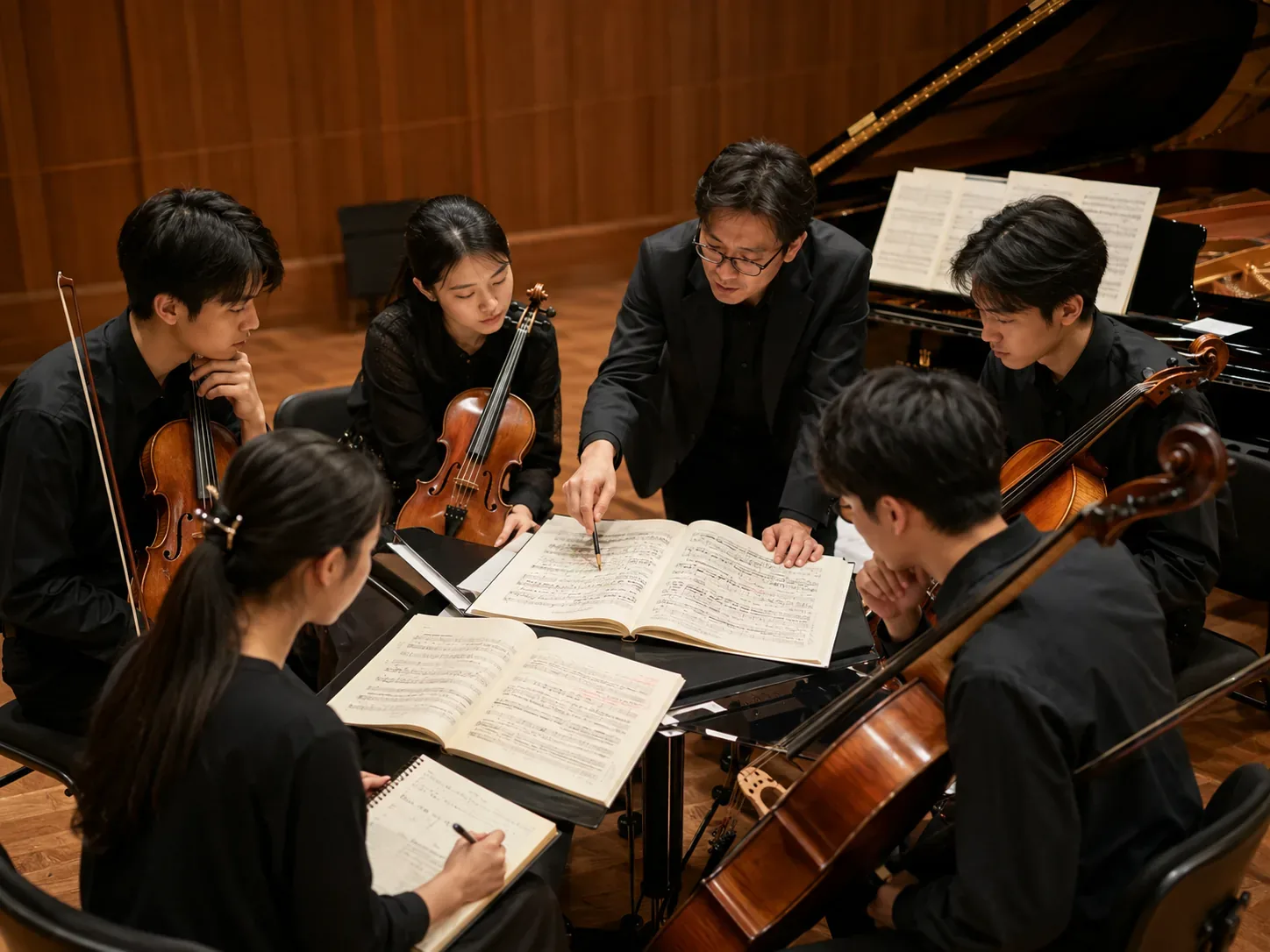
Teachers and students reading the score together
SCORE & REHEARSAL DESIGN

Score Study and Rehearsal Design

Building actionable rehearsal plans from work structure, editions, technical challenges, and time constraints.
Score AnnotationProblem PrioritizationRehearsal Script
Conductor-teacher demonstrating gestures and rehearsal decisions
CONDUCTING & GESTURE

Conducting and Movement Efficiency

Handling beats, preparation, phrasing, and non-verbal communication, so movement serves sound and ensemble decisions.
Gesture DiagnosisAural JudgmentReal-time Correction
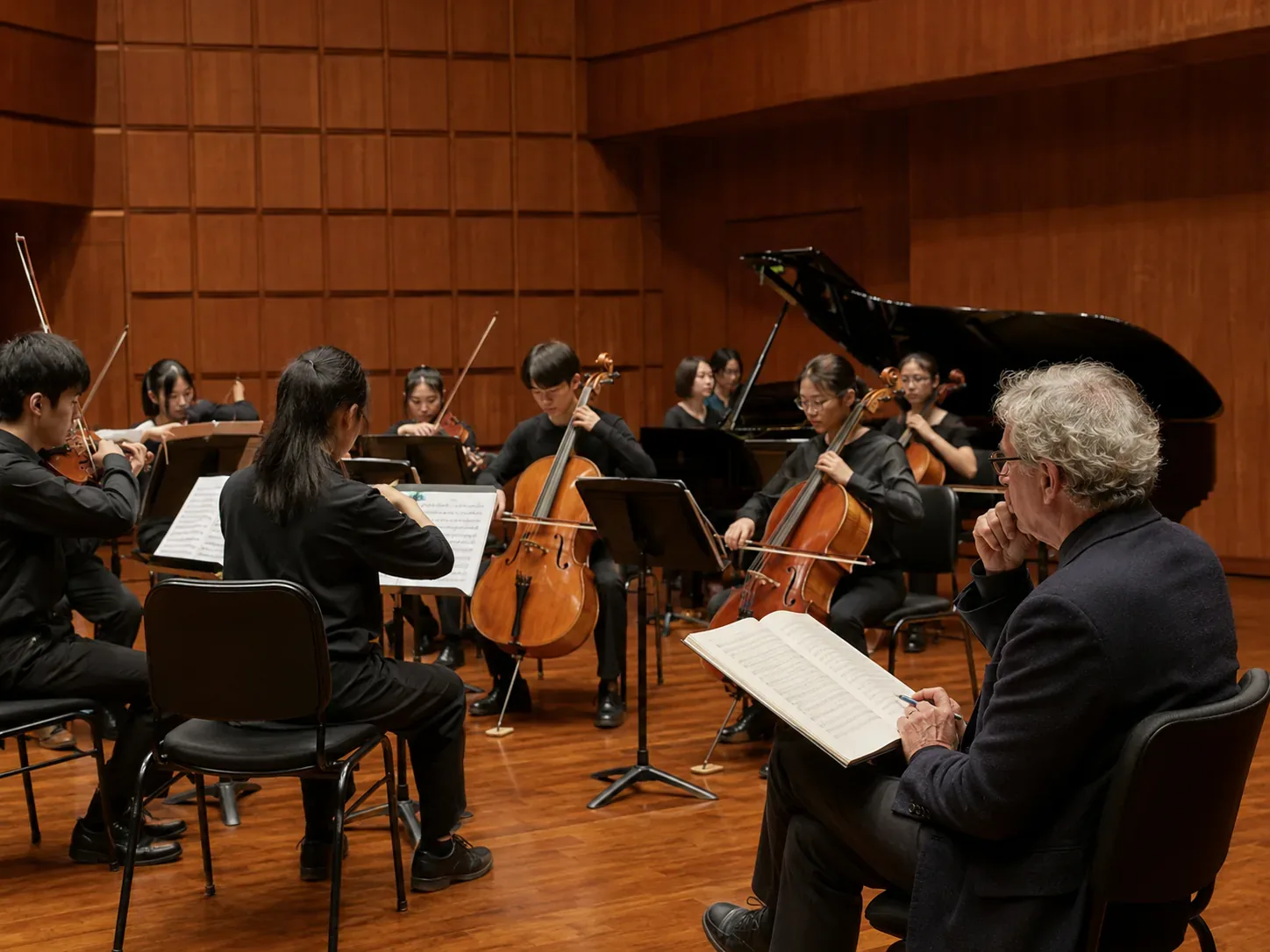
Teacher observing string section balance
ENSEMBLE SOUND

Tone and Section Balance

Building ensemble sound through intonation, tone, breathing, bowing, harmonic function, and seating arrangement.
Sectional BreakdownDynamic LayeringEnsemble Listening
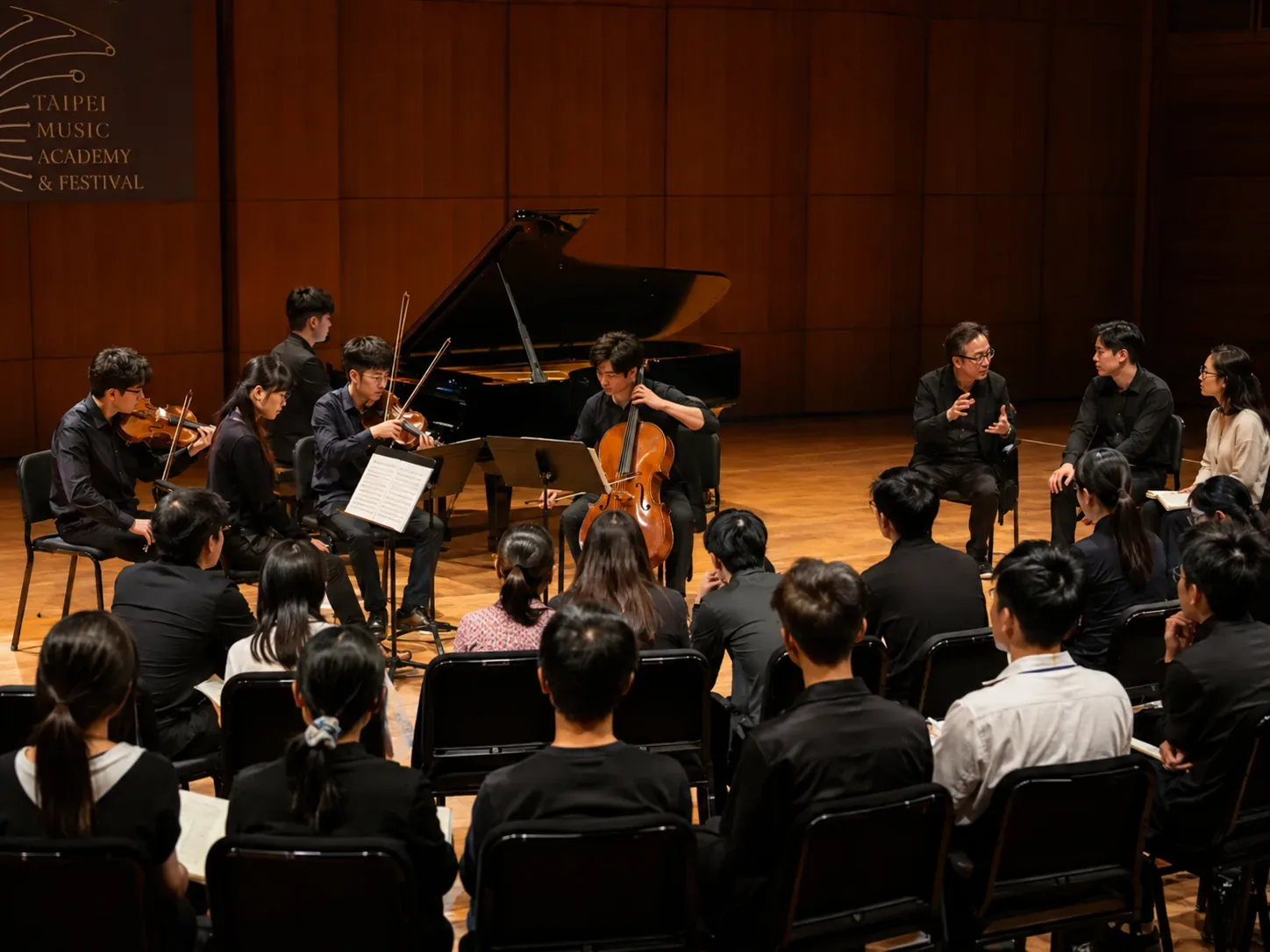
Teachers and youth orchestra in open observation and discussion
CLASSROOM PEDAGOGY

Translating to Classroom Teaching

Converting professional rehearsal methods into teaching arrangements suited to age groups, mixed levels, and limited class time.
Age-Group DesignMixed LevelsClass Pacing
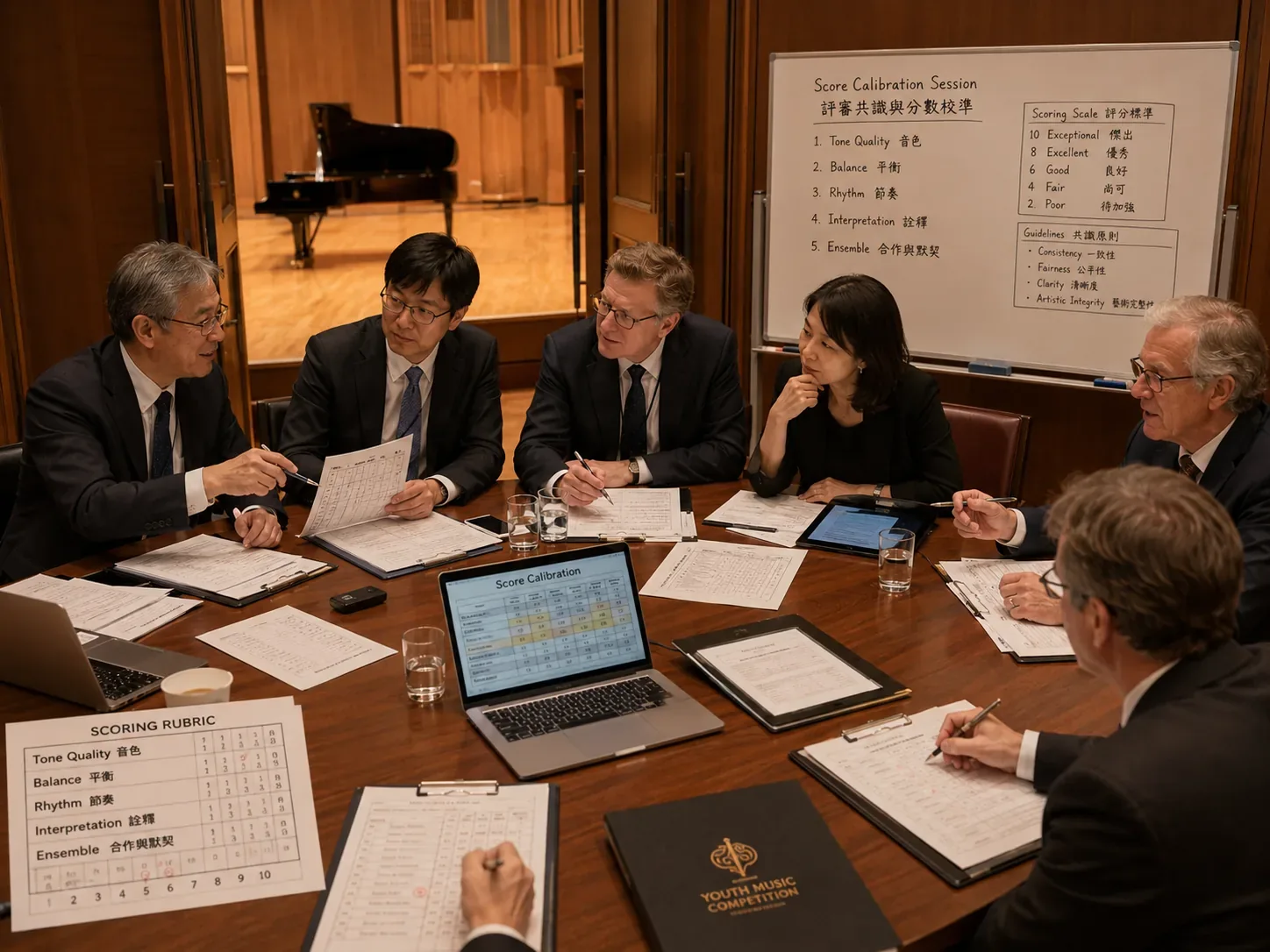
Professional teachers aligning assessment and feedback standards together
ASSESSMENT & FEEDBACK

Assessment and Feedback Language

Establishing observable indicators to avoid over-amplifying personal preference, and turning scores into concrete suggestions.
Assessment CriteriaFeedback PhrasingConsensus Calibration
Concert hall stage, music library, and technical teams preparing together
PRODUCTION & SAFETY

Production and Safety

Integrating stage, music library, equipment, photography, translation, student flow, and risk management.

Stage PlanTechnical SheetSafety Procedures
THE LEARNING TRANSFER CYCLE

Six-step learning cycle, bringing live experience back to the classroom

Training doesn't end with "understanding" — through observation, practice, comparison, organization and follow-up, it becomes a professional workflow teachers can keep using.

01

Pre-Class Preparation

Submit teaching background, repertoire, videos and core questions.

02

Full Observation

See the original state first, without rushing to fragmented answers.

03

Segmented Diagnosis

Identify the relationship between sound outcomes and true causes.

04

Practical Re-enactment

Verify again with new language, new gestures or new sequencing.

05

Peer Discussion

Compare approaches to build a shared professional language.

06

Campus Action

Transform into lessons, rehearsals and follow-up tasks.

PROGRAM FORMATS

Choose a 1–3 day course format based on training depth

Additional days aren't just more lectures — they progressively add demonstration ensembles, teacher practicums, joint lesson planning, and post-session outcomes.

Select Training Format

Click on the number of days to view the suggested schedule. Actual delivery can be adjusted based on school scheduling, ensemble size, and teacher expertise.

1-Day Core Training

Recommended: 6.5 hours
Taiwan Youth Orchestra Masterclass and Teacher Observation Sessions
TAIWAN SCHOOL CONTEXT

Grounded in Taiwan's students, schools, and orchestra settings

FROM PROFESSIONAL PRACTICE TO SCHOOL REALITY

Professional methods must respond to real school conditions

Course design does not assume every school has full instrumentation and ample class time; instead, it starts from the real constraints teachers face: gaps in student level, insufficient rehearsal time, incomplete instruments and parts, administrative coordination, parent communication, and pressure from showcase concerts.

Mixed-Level EnsemblesDesign tiered tasks and shared sound goals achievable together.
Limited Rehearsal TimePrioritize issues and use time-boxing to boost each rehearsal's efficiency.
Incomplete InstrumentationAdjust orchestration, substitute parts, and select repertoire strategically.
Single-Teacher OverloadEstablish section assistants, student leaders, and collaborative workflows.
Outcomes and AssessmentBalance performance quality, learning process, and student engagement.
School CommunicationTranslate artistic goals into plans and outcomes administrators can understand.

Teacher Training Course Designer

LEARNING OUTCOMES

Professional outcomes that continue after the course ends

Certificates and hours are just one part; more important is that teachers leave with clear records, tools, rehearsal tasks, and a campus action plan.
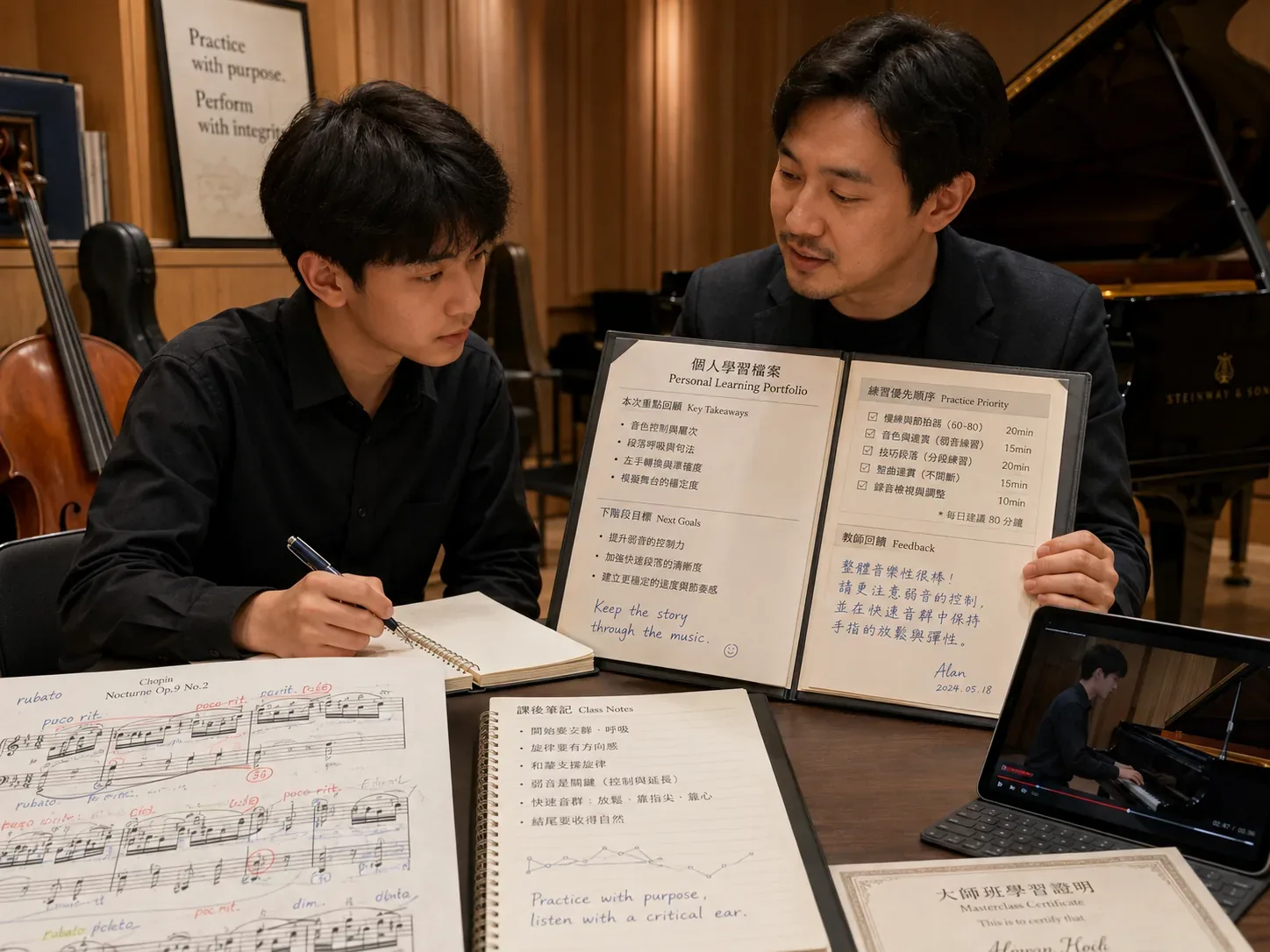
Teachers and students compile personal learning portfolios
File

Personal Learning Portfolio

Organize on-site highlights, technical issues, practice priorities, and video clips.

Individual FeedbackAnnotated ScoresObservation Notes
Teachers compile scores and rehearsal designs
Course

Campus Curriculum Plan

Turn training methods into semester curricula, sectional exercises, and rehearsal scripts.

Lesson PlansRehearsal PlansAssessment Criteria
Teachers' professional community engages in joint discussion
Community

Teacher Professional Community

Establish peer observation, case discussions, and regional teacher collaboration mechanisms.

Co-planningCase LibraryFollow-up Meetings
Teachers lead the orchestra to complete a stage performance
Action

Next-Stage Actions

Set trackable teaching and team goals for 30, 60, and 90 days.

PrioritiesMilestonesEvidence of Outcomes
READINESS CHECK

Before holding teacher training, confirm the basics first

A simple checklist helps identify what needs the most work right now — course focus, demonstration ensemble, faculty arrangement, stage production, or follow-up.

Key preparations for organizers

The sooner pre-session materials and roles are settled, the more time can be devoted on-site to real teaching and practice.

  • Clear teacher audience and learning goals
  • Set repertoire that is teachable, breakable-down, and repeatable
  • Editions and scores unified in advance
  • Demonstration ensemble and teacher practice sessions
  • Roles for hosting, translation, stage, and documentation
  • Post-session outcomes and follow-up methods
Checklist not yet startedPlease check the conditions already in place.
FREQUENTLY ASKED QUESTIONS

FAQ on Teacher Training

The following can be used directly as the website FAQ; update it with annual event details, hour certification, and registration rules before official launch.

Yes, but if the goals involve rehearsal, section balance, feedback techniques, or conducting practice, a demonstration ensemble is still recommended so teachers can observe the before-and-after difference.
Yes. Shared topics can be covered together, then split into wind, string, orchestra, or chamber music groups for specialized details.
This can be arranged according to the organizer's and authority's regulations. The template already reserves fields for hours, outcomes, and certificates; official events must be announced based on approved content.
We recommend submitting teacher backgrounds, ensemble composition, designated repertoire, rehearsal videos, current issues, and the teaching scenarios you hope to improve.
Yes. Options include single-school sessions, joint regional teacher training, workshops attached to music festivals, or a hybrid of online pre-course plus in-person training.
Methods include 30/60/90-day action plans, teacher-submitted videos, peer co-planning, online follow-ups, and before-and-after comparisons of student performances.

Planning teacher training and development

Please provide your school/organization, target teachers, ensemble size, expected dates, core issues, and venue conditions — we'll help design a suitable course structure.

Course
Course PlanningTopics, hours, workshops, and demonstration ensemble
Faculty
Faculty and RolesLecturing, hosting, observing, translating, and assisting
Venue
Venue and ProductionStage, scores, equipment, photography, and workflow
Outcomes
Outcomes and Follow-upCertificates, hours, lesson plans, videos, and action sheets

Teacher Training Request Form

This is a front-end template demo, which can be linked to WordPress forms, Email, Google Forms, or a CRM.

Before submitting, please add a privacy notice and data-handling mechanism per the official website.
Field checks complete. Please connect an actual intake system per the README before going live.