Cultural memory is fading
Local stories, songs, crafts, and figures still exist, but lack systematic organization, documentation, and ways to pass them across generations.
The foundation supports local cultural teams, community organizations, local venues, resident collaboration networks, and local music practitioners, from asset mapping, resident participation, cultural memory, program design, partner collaboration, and sustainable operations to build a system for development. Support is not about bringing a set program into a place, but working together with the community to discover cultural approaches worth preserving, participating in, and sustaining.
Community teams often face resident needs, generational differences, venue constraints, administrative procedures, limited resources, and the challenge of sustaining momentum all at once. Pursuing only a single large-scale event can leave little energy for participation once it ends.
The Foundation's local cultural support begins by identifying the cultural assets and stakeholders that truly matter to a place, then designs a path of action that residents can join, teams can carry forward, and partners are willing to support. Music, performances, guided walks, workshops, or local festivals are simply the forms that carry this path.
The foundation does not apply a single festival or performance model to every place, but chooses an approach suited to each based on resident structure, cultural assets, venue conditions, and team maturity.
Local stories, songs, crafts, and figures still exist, but lack systematic organization, documentation, and ways to pass them across generations.
Activities are mostly carried by a few core members, with residents largely as audience; shared planning and division of labor have yet to form.
Community sites, cultural halls, old buildings, or public spaces hold potential, but lack content, rhythm, and operating methods.
Activities continue every year, yet lack a consistent local narrative, accumulated results, and outside recognition.
Key experience is concentrated in senior members; youth participation and handover have yet to become institutionalized.
These six pillars are used to assess the completeness of local cultural initiatives. Teams can first focus on improving the one or two most critical areas, then gradually build a long-term system.
Take stock of people, stories, songs, industries, spaces, festivals, natural environments, and living memories to identify what the community truly wants to preserve and develop.
PLACE · CULTURAL ASSETSEstablish a participatory design spanning listening, proposing, co-creating, executing, and feedback, so residents become more than mere spectators at events.
PARTICIPATION · CO-CREATIONEnable elders, cultural bearers, teachers, youth, and children to exchange knowledge, skills, and local identity through shared tasks.
MEMORY · GENERATIONSDesign music, performances, walking tours, workshops, and festivals suited to local characteristics, so that spaces, flow, and content resonate with one another.
PROGRAM · PLACE MAKINGConnect communities, schools, institutions, businesses, government, professionals, and external teams to build reciprocal, clearly defined collaborative responsibilities.
PARTNERSHIP · RESOURCEIntegrate local narratives, evidence of outcomes, revenue sources, and annual rhythms so that cultural initiatives can be recognized, supported, and sustained.
IDENTITY · SUSTAINABILITYThe clearer the roles, the more participation can form long-term relationships. The following worksheet helps teams understand the contributions, needs, and collaboration evidence to preserve for different stakeholders.
Residents provide local life experience, needs, and relationship networks, and should also have opportunities to take part in content selection, division of work, and outcome review.
Local grant work takes time to build trust. The following six stages can be adjusted to project scale, but the early listening and co-defining phases should not be skipped.
Interview residents, tradition-bearers, schools, shops, and local organizations to understand needs, relationships, and existing efforts.
Organize people, stories, music, spaces, industries, festivals, and usable local resources.
Confirm the local issues to address in this stage, key participants, definitions of success, and what not to do.
Test content, venues, and resident participation through workshops, walking tours, joint performances, or small gatherings.
Develop effective models into festivals, showcase concerts, education programs, local publications, or an annual brand.
Compile evidence of outcomes, finances, manpower, partnerships, and succession plans to form the path for the next year.
Packages can be adopted independently, or combined into a six-to-twelve-month accompaniment plan following "Assess—Co-create—Pilot—Expand—Sustain." Actual content is still co-designed based on local relationships, cultural sensitivity, and execution conditions.
Suited to teams without a clear development theme yet, or wishing to re-examine local characteristics.
Suited to teams where activities have long relied on a few people, seeking broader resident participation.
Turns local memories, songs, crafts, and life knowledge into learning actions across generations.
Helps local venues, halls, historic buildings, or public spaces develop cultural content suited to their character.
Organizes the value local teams can offer and the resources they need, building a reciprocal and sustainable partnership network.
Suited to teams with accumulated experience, seeking an annual rhythm, local brand, and succession system.
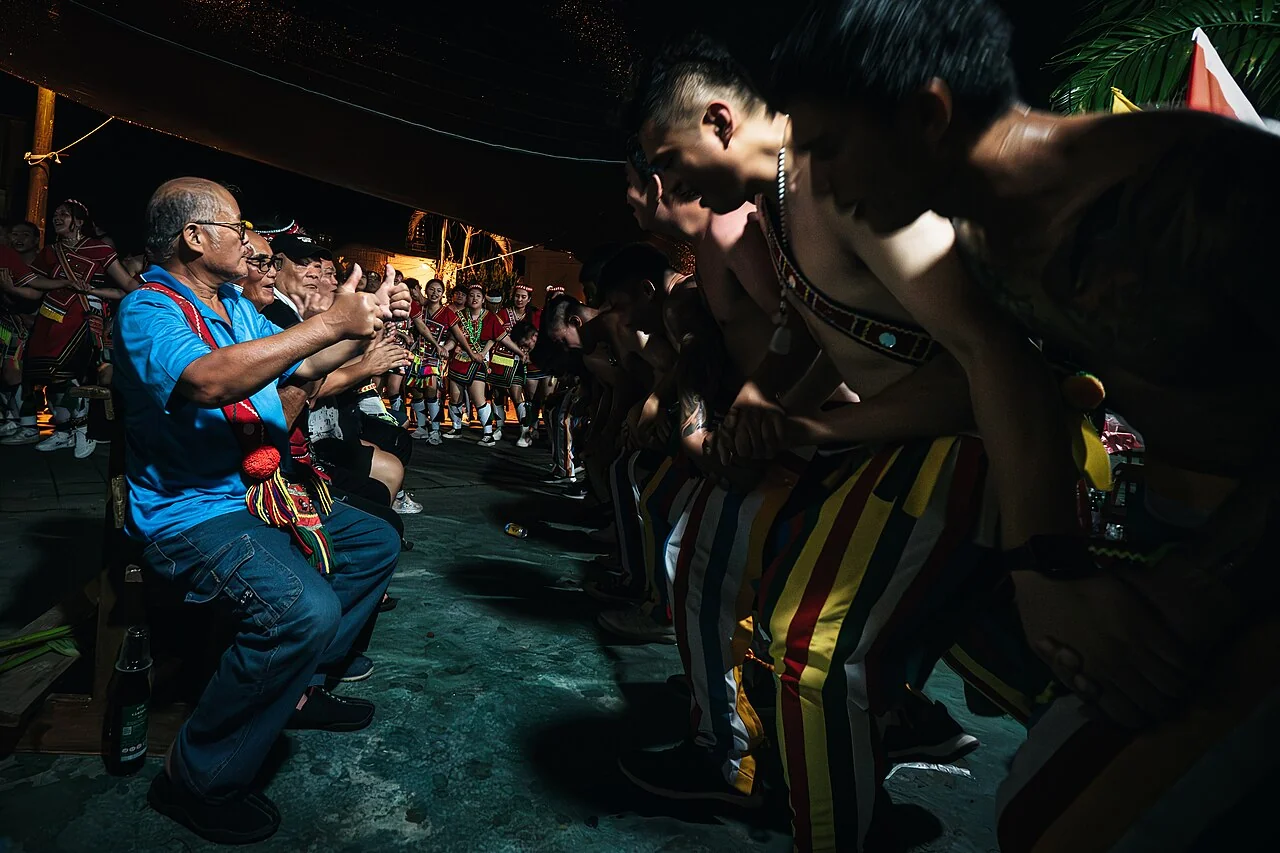
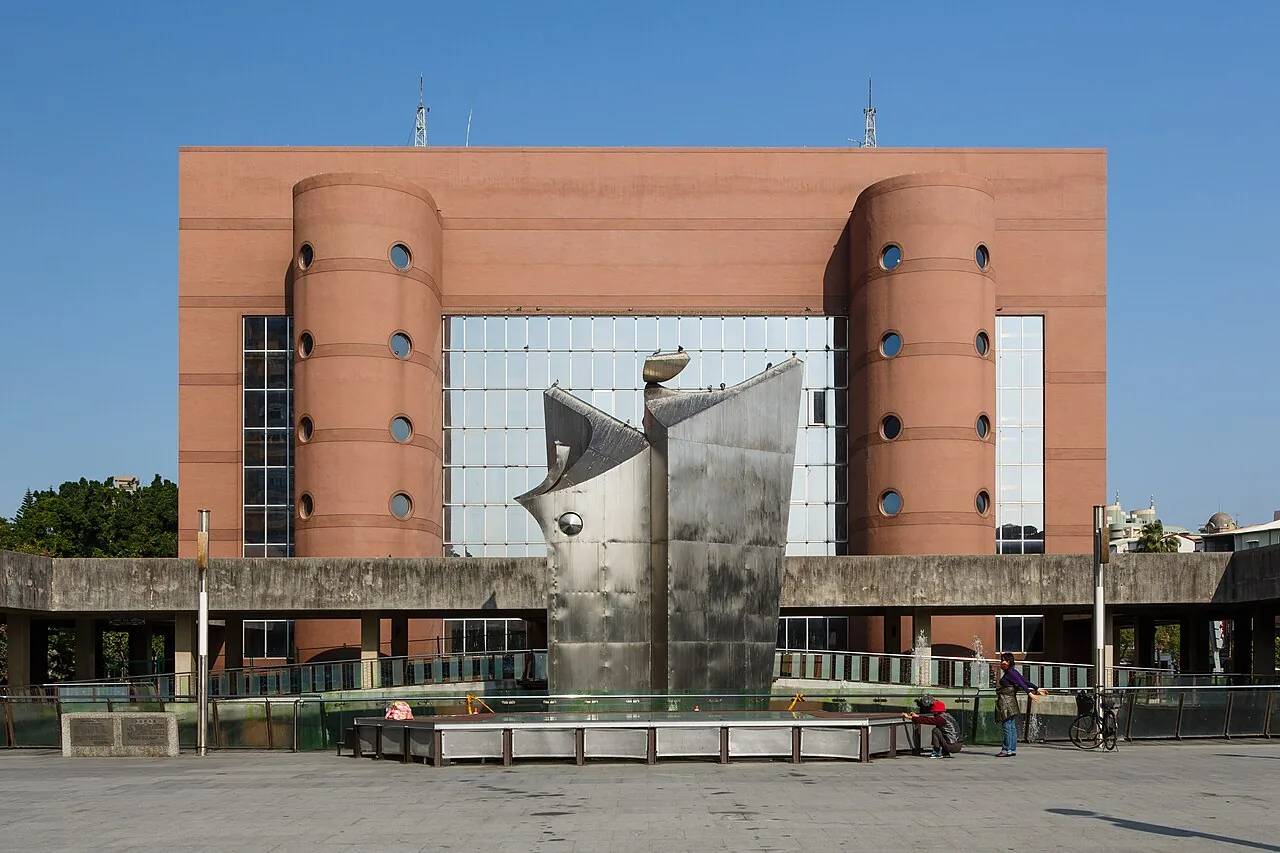
The situational images on this page are not documentation of Music Chamber Cultural & Education Foundation activities. Photos of Amis Ilisin harvest festival singing and elder-respecting customs were taken by Kevshen; the photo of Tainan Cultural Center was taken by CEphoto, Uwe Aranas. Both are used via Wikimedia Commons under CC BY-SA 4.0. Images on this page are presented only through cropping, overlay, and layout adjustments; original sources can be found at Ilisin-Young Girls Singing、Ilisin-Honoring Elders and Ancestral Spirits、Tainan Cultural Center here.
The next page moves into "Teacher Communities and Educator Support," focusing on professional communities, co-planning, teaching experiments, knowledge sharing, and educational leadership.