Define Problems Together
Starting from student learning and real teaching challenges
The Foundation helps music teachers, arts educators, curriculum leaders, and cross-school teacher communities build shared goals, collaborative planning, teaching experimentation, classroom observation feedback, knowledge organization, and educational leadership a development system. Support isn't just about arranging a single workshop — it lets teachers' individual experiences be discussed together, turned into methods, and continually brought back to real classrooms.
Starting from student learning and real teaching challenges
Breaking down goals, materials, and teaching strategies together
Testing new methods in class or rehearsal
Reviewing teaching through student performance, work, and records
Turning effective practices into reusable methods
Building community assets and nurturing new leaders
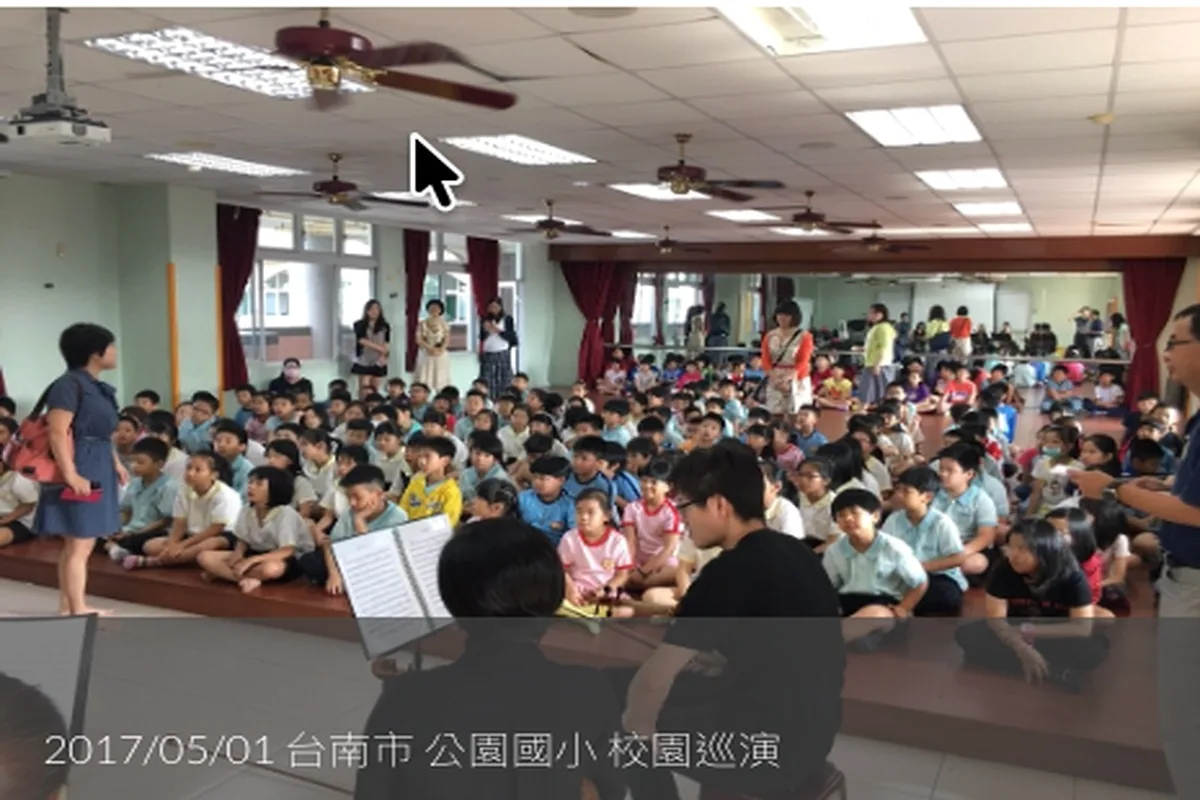
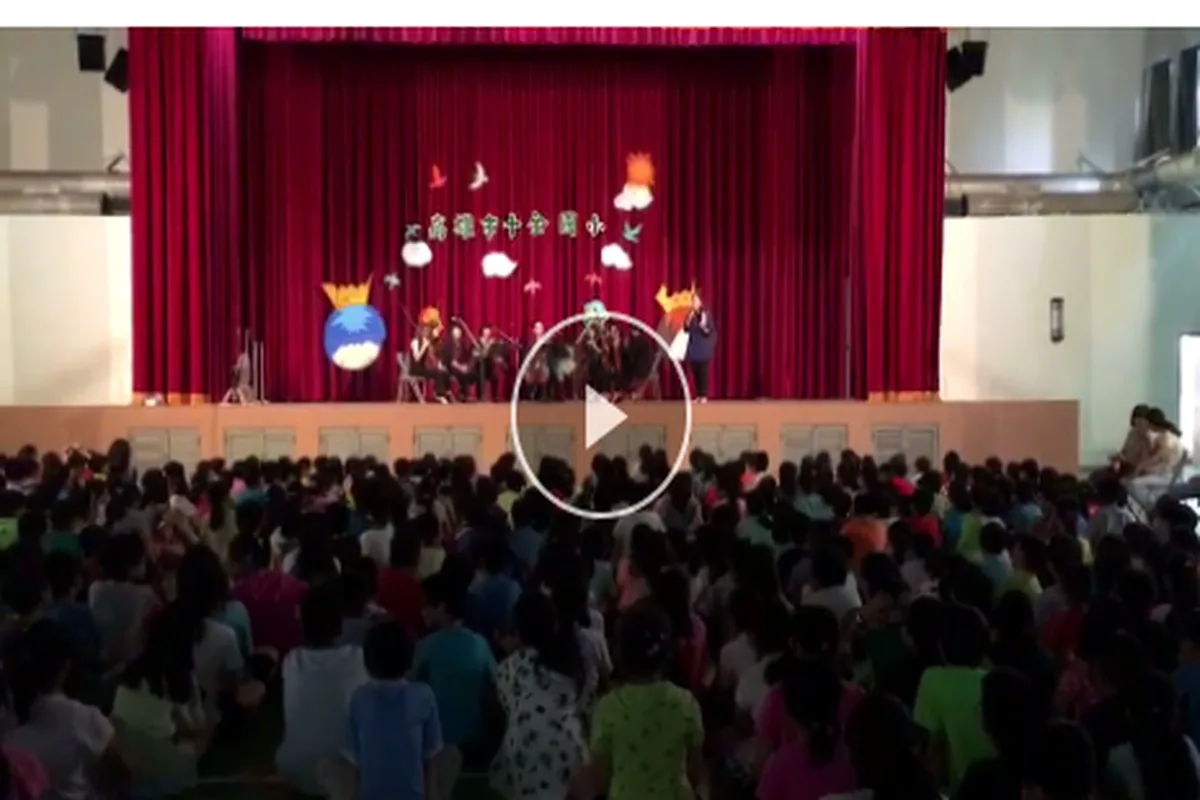
Music and arts education relies heavily on teachers' judgment. How repertoire is chosen, how differences in ability are handled, how rehearsal problems are diagnosed, how students' motivation is sustained — these often remain locked within individual teachers' experience.
The purpose of supporting teacher communities is to build a method by which questions can be raised together, solutions designed, students observed, evidence gathered, and teaching refined. A community is not just a gathering — it is a professional system that lets educational quality accumulate, be passed on, and spread.
The foundation does not replace long-term development with one-off training, but chooses suitable working methods based on community relationships, shared issues, available time, and leadership capacity.
They have professional passion and personal experience, but lack regular co-planning, shared goals, and ways to share teaching resources.
Regular meetings or training happen, but the content is scattered and hard to consolidate into clear improvements in student learning.
Teachers are willing to open their classrooms, but are unsure what to observe, how to give feedback, and how to avoid it becoming an evaluation.
There are many lesson plans, works, videos, and experiences, but no shared format, tags, versions, or usage rules.
The community has long relied on a single convener, without yet forming a succession mechanism for facilitation, guidance, documentation, and professional leadership.
The six pillars are not teacher ratings, but a way to examine whether a community can turn professional dialogue into teaching change and sustainable shared assets.
Centered on student learning and real teaching challenges, establishing the community's annual theme, definitions of success, and things not to do.
PURPOSE · STUDENT LEARNINGJointly breaking down curricula, repertoire, competency goals, teaching strategies, and differentiated arrangements to form actionable designs.
CO-PLANNING · CURRICULUMTesting new methods through small-scale trials, preserving evidence from classes, rehearsals, student work, and teacher judgment.
EXPERIMENT · PRACTICEEstablishing non-evaluative observation focuses, feedback language, and confidentiality principles so peer observation becomes professional learning.
OBSERVATION · FEEDBACKTurning effective methods into lesson plans, case studies, videos, tools, and reflection records, building a searchable community database.
DOCUMENTATION · KNOWLEDGECultivating facilitation, guidance, mentoring, curriculum leadership, and cross-school collaboration capacities to reduce reliance on a single convener.
FACILITATION · LEADERSHIPClear roles prevent all the work from falling on the convener, and let teachers take part in co-planning, lesson observation, documentation, and outreach based on their expertise.
Raise real teaching questions, pilot co-designed methods, and bring back evidence of student learning and reflections.
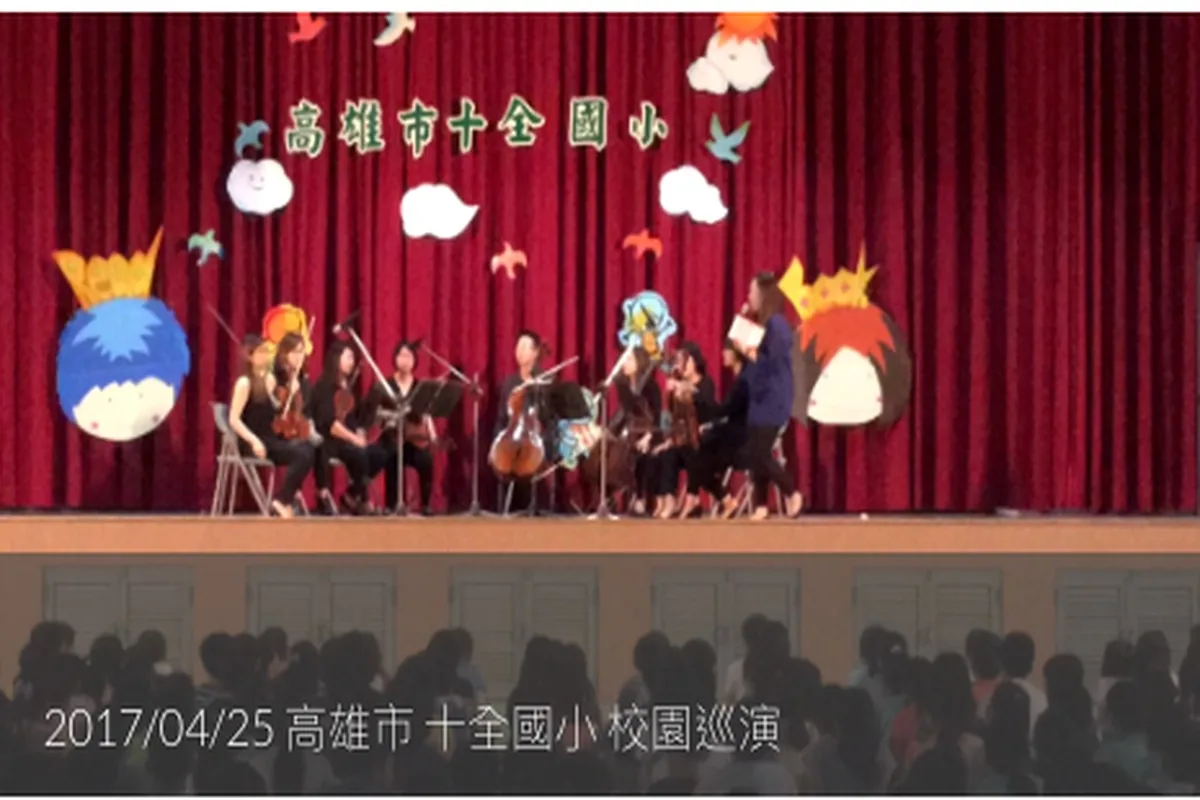
Teacher communities need a steady rhythm to bring professional dialogue back to the classroom. The following six stages can be used across a semester or year.
Gather teachers' challenges, student learning outcomes, and existing data to select this year's shared issue.
Establish student learning goals, teaching strategies, observation focus, task division, and evidence of completion.
Test the approach in one or more classes or orchestras, preserving the process and student work.
Observe lessons or rehearsals based on pre-agreed focus points, recording facts rather than judging the teacher directly.
Compare the teaching design, student responses, and outcome evidence to refine the next round.
Compile cases, lesson plans, tools, or sharing sessions, and set next year's deeper issue.
Packages can be implemented independently or combined into a semester- or year-long professional learning path. Actual formats may include workshops, co-planning facilitation, classroom observation support, case documentation, and community advisory meetings.
Suited for teacher communities that are newly formed, restarting, or facing scattered member needs.
Helps communities move from sharing experiences toward actionable co-planning and decision-making methods.
Suited for communities that want to bring professional dialogue back into classrooms, rehearsals, and student learning.
Cultivates coordinators, curriculum leaders, mentors, and new community leaders.
Turns teachers' experience into reusable community assets that can also be shared externally.
Suited for teacher communities seeking a steady rhythm of shared learning, teaching evidence, and long-term leadership capacity.
The next page moves into "Music Festival and Project Team Support," focusing on project governance, programme planning, production management, partner collaboration, and continuity of outcomes.